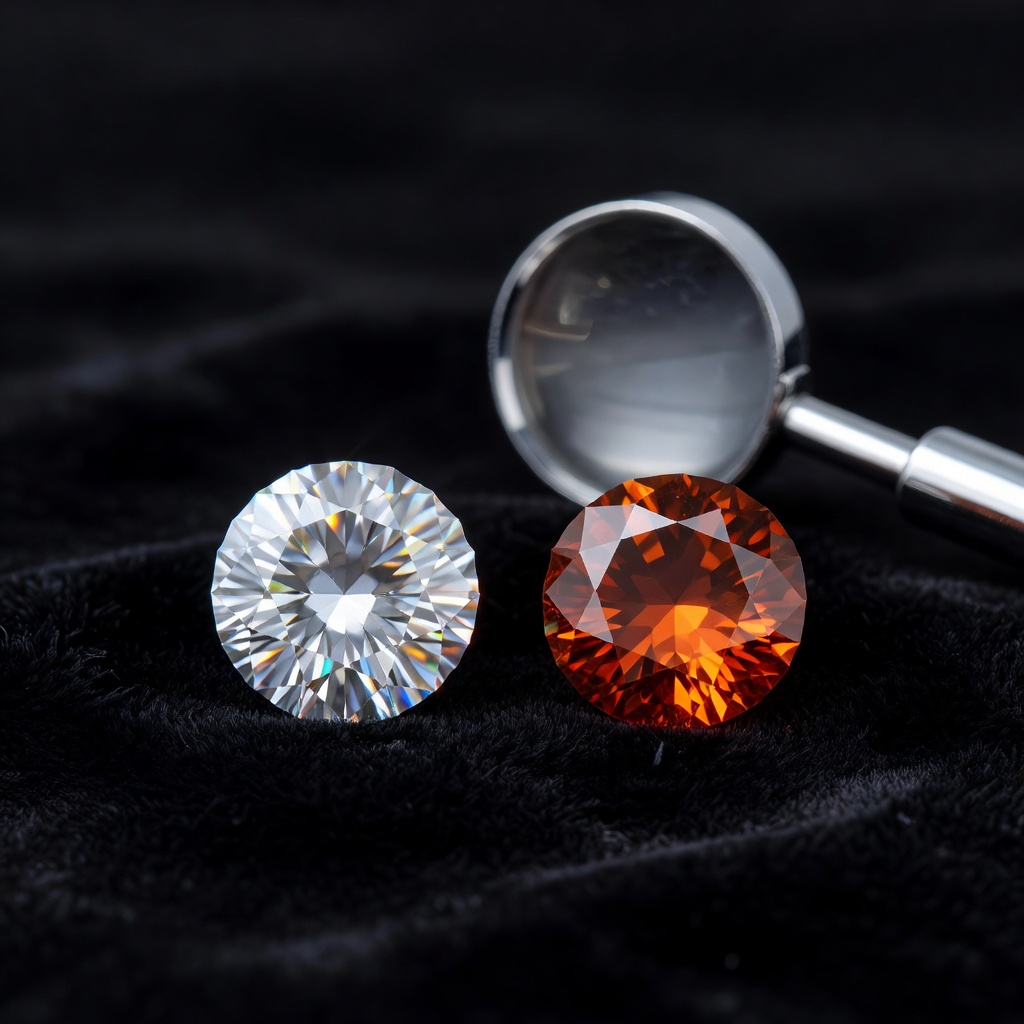
Understanding Diamond and Hessonite Garnet: A Comprehensive Gemstone Comparison Guide
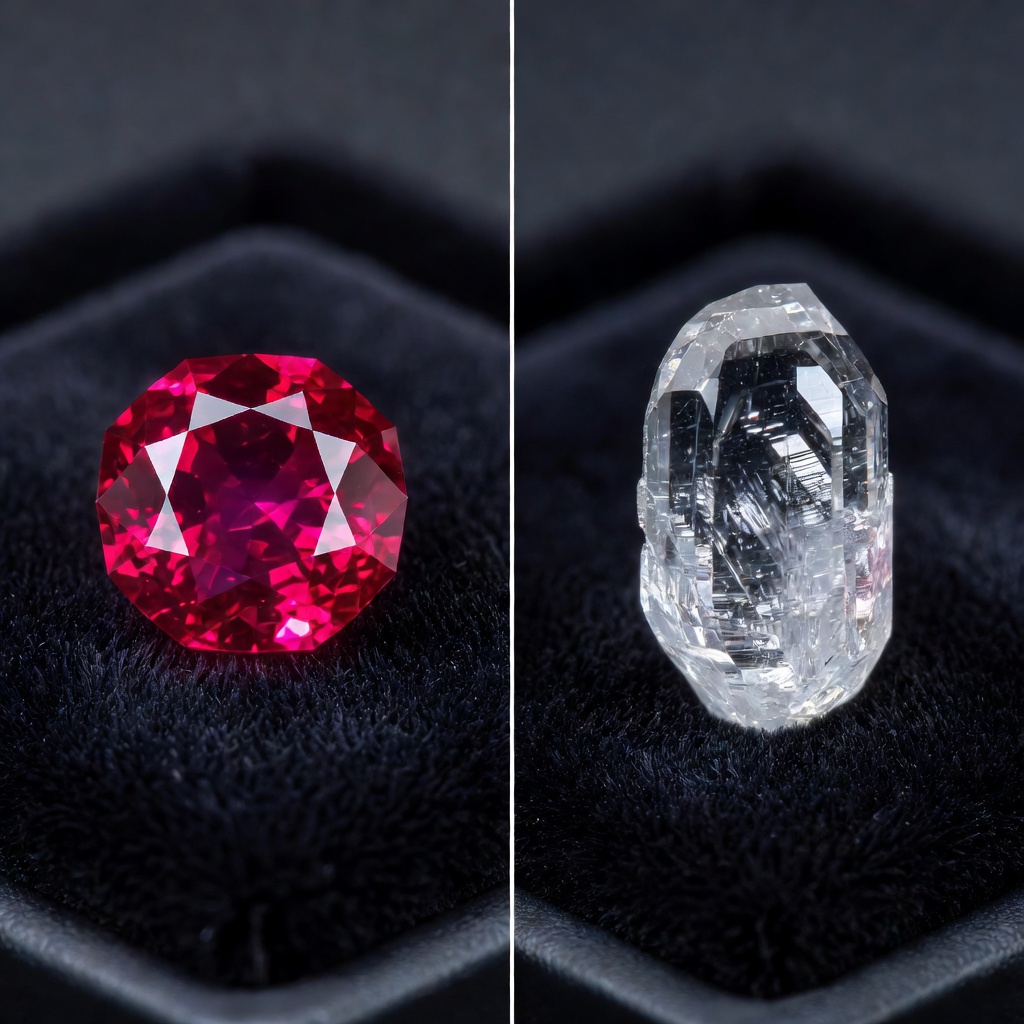
When exploring the world of precious gemstones, the comparison between Diamond vs Hessonite Garnet represents one of the most intriguing intersections of geology, astrology, and jewelry design. Diamonds, formed from pure carbon crystallized under extreme pressure deep within the Earth's mantle billions of years ago, stand as the hardest known natural substance and the ultimate symbol of enduring luxury. In contrast, hessonite garnet—also known as the "Cinnamon Stone" or Gomed in Vedic traditions—belongs to the grossular garnet family with a chemical composition of calcium aluminum silicate (Ca3Al2Si3O12), displaying warm honey-orange hues that have captivated civilizations for millennia. While these stones may occasionally be compared by budget-conscious consumers seeking diamond alternative gemstones, or by those navigating the complex waters of Vedic astrology, they serve fundamentally different purposes in both ornamental and metaphysical contexts. Understanding the distinct geological origins, physical properties, and value propositions of these gems is essential for making informed purchasing decisions, whether you are selecting an engagement ring, investing in collectible minerals, or seeking specific astrological remedies.
Physical Properties and Chemical Composition
The fundamental distinction between these gemstones begins at the molecular level, where their atomic structures dictate everything from brilliance to durability. Diamonds consist of 99.95% pure carbon arranged in an isometric crystal system, where each carbon atom forms strong covalent bonds with four neighboring atoms, creating an incredibly rigid three-dimensional lattice that accounts for its legendary hardness. Hessonite garnet, conversely, is a variety of grossular garnet characterized by the chemical formula Ca3Al2Si3O12, featuring a cubic crystal system with distinct calcium and aluminum silicate arrangements that produce its characteristic warm coloration and internal phenomena.
Hardness and Durability Metrics
When conducting a diamond Mohs scale comparison, diamonds achieve a perfect 10 rating, making them the benchmark against which all other minerals are measured for scratch resistance. Hessonite garnet hardness ranges between 6.5 and 7.5 on the Mohs scale, which, while respectable for a silicate mineral, places it significantly below diamond in terms of resistance to abrasion and surface damage. This difference becomes critically important when considering daily wear scenarios, as hessonite can be scratched by common household dust (which often contains quartz particles rated at 7), whereas diamonds remain impervious to virtually any natural material except another diamond.
Optical Properties and Crystal Structure
Beyond hardness, these stones diverge significantly in their interaction with light. Diamonds possess a refractive index of 2.42, resulting in exceptional brilliance and the famous "fire" or dispersion that separates white light into spectral colors. Hessonite garnet typically exhibits a refractive index between 1.742 and 1.748, producing a more subdued, velvety luster rather than intense sparkle. Specific gravity also differs markedly—diamonds float at 3.52, while hessonite sinks higher at 3.57 to 3.73—differences that gemologists use for identification alongside microscopic examination of crystal inclusions and growth patterns.
Visual Characteristics: Color, Brilliance, and Clarity
The aesthetic differences between these stones create distinct emotional responses and styling opportunities for jewelry enthusiasts. Diamonds are celebrated for their colorless purity and ability to return white light through precise faceting, creating that unmistakable brilliant flash associated with luxury and celebration. The finest diamonds receive color grades from D (completely colorless) to Z (light yellow or brown), with absolute clarity allowing light to pass unobstructed through the crystal lattice, creating maximum scintillation and fire dispersion rated at 0.044.
The Unique Appeal of Cinnamon Stones
Hessonite garnet color ranges from warm honey-yellow to deep cinnamon-orange and reddish-brown tones, immediately distinguishing it from the icy brilliance of diamonds. This characteristic coloration results from trace iron and manganese inclusions within the grossular structure, creating what gemologists term the "treacle" or "roiled" effect—a swirling, heat-wave-like internal texture that resembles molasses or stirred honey. Unlike diamonds, where inclusions typically reduce value significantly, hessonite's internal phenomena are often considered desirable features that confirm authenticity and add character, particularly in high-quality specimens where the effect resembles the swirling patterns found in whiskey or maple syrup.
Clarity Standards and Inclusions
Regarding diamond vs hessonite clarity, these gemstones follow entirely different valuation criteria. Diamond clarity grades range from Flawless (no inclusions visible under 10x magnification) to Included (visible to the naked eye), with strict standards governing acceptable inclusion types and locations. Hessonite clarity expectations are more forgiving; while eye-clean stones command premium prices, the presence of characteristic "scotch-in-water" inclusions or roiled textures actually verifies natural origin and enhances the stone's mystical appeal in astrological contexts. The luster differs as well—diamonds display adamantine brilliance, while hessonite ranges from vitreous to slightly resinous, creating a softer, more organic visual presence that complements vintage and bohemian jewelry designs.
Durability and Suitability for Daily Wear
Practical considerations regarding gemstone wearability comparison should heavily influence your selection, particularly for pieces intended for daily use. Diamonds excel in engagement rings and everyday jewelry not merely because of tradition, but due to their unmatched resistance to scratching, chipping, and environmental damage accumulated through decades of continuous wear. A diamond engagement ring can withstand accidental knocks against countertops, exposure to cleaning chemicals, and the abrasive effects of daily household activities while maintaining its polish and structural integrity for generations.
Hessonite's Vulnerability in Daily Settings
Hessonite durability concerns make it less suitable for rings subjected to daily mechanical stress. With hardness ratings of 6.5 to 7.5, hessonite can accumulate surface scratches from contact with harder materials commonly encountered in daily life, including steel door handles, ceramic dishes, and even the silica dust present in the atmosphere. While hessonite possesses fair to good toughness due to its granular structure lacking cleavage planes (unlike diamond, which has perfect cleavage in four directions making it vulnerable to sharp blows), its susceptibility to abrasion makes it better suited for pendants, earrings, brooches, or occasional-wear rings rather than daily-wear engagement jewelry.
Protective Setting Strategies
When incorporating hessonite into jewelry designs, protective settings become essential for preserving the stone's beauty. Bezel settings that wrap the girdle in metal provide superior protection compared to prong settings, shielding the softer stone from direct impact and abrasion. For those determined to wear hessonite in rings, consider protective designs where the stone sits slightly recessed within the metal, or reserve such pieces for special occasions rather than continuous daily wear. Diamonds, conversely, thrive in various setting styles including delicate prongs and tension settings that maximize light exposure, as their extreme hardness ensures longevity regardless of exposure frequency.
| Characteristic | Diamond | Hessonite Garnet |
|---|---|---|
| Mohs Hardness | 10 (Maximum) | 6.5 - 7.5 |
| Color Range | Colorless to Light Yellow/Brown (D-Z scale) | Honey Yellow to Cinnamon Orange/Reddish-Brown |
| Price per Carat | $3,000 - $30,000+ (depending on 4Cs) | $20 - $200 (depending on color and clarity) |
| Brilliance/Fire | High (RI 2.42, Dispersion 0.044) | Moderate (RI 1.74-1.75, Velvet Luster) |
| Astrological Association | Venus (Shukra) - Love, Luxury, Art | Rahu - Protection, Career, Karmic Remedies |
| Recommended Use | Daily wear, Engagement rings, Heirlooms | Occasional wear, Pendants, Astrological talismans |
| Typical Inclusions | Feathers, Crystals, Clouds (graded strictly) | Treacle/Roiled effect, Heat waves (often desirable) |
| Cleaning Safety | Ultrasonic and Steam safe | Gentle soap and water only (no heat/ultrasonic) |
Pricing Analysis and Investment Value
Perhaps nowhere is the distinction between these gemstones more pronounced than in their economic valuation and market positioning. When examining hessonite garnet vs diamond price differentials, we encounter one of the most dramatic value gaps in the gemological world. A quality one-carat diamond typically commands between $3,000 and $15,000 depending on cut, color, clarity, and carat weight (the 4Cs), with exceptional stones fetching $30,000 or more per carat. This pricing reflects not only geological rarity and mining costs but also sophisticated marketing, established certification standards, and global liquidity as a portable store of wealth.
Accessible Luxury: The Hessonite Market
Hessonite garnet occupies a radically different market segment, offering fine one-carat specimens typically ranging from $50 to $300, with even exceptional museum-quality stones rarely exceeding $500 per carat. This accessibility makes hessonite an attractive option for collectors seeking colored gemstones without the diamond price premium, or for individuals requiring specific astrological stones where budget constraints might otherwise prevent acquisition. However, this affordability comes with investment implications—while diamonds generally retain value and offer liquidity through established resale markets, hessonite functions primarily as a consumable luxury or personal talisman rather than a financial instrument.
Value Retention and Market Dynamics
From a gemstone investment value perspective, diamonds certified by reputable laboratories (GIA, AGS) serve as crisis-resistant assets and inflation hedges, particularly in larger sizes (2+ carats) with exceptional color and clarity grades. Hessonite garnet, while beautiful and culturally significant, lacks the standardized grading systems and resale infrastructure that support diamond liquidity. Factors affecting hessonite pricing focus primarily on color intensity (deep cinnamon tones commanding premiums), clarity (eye-clean stones valued higher), and size (large clean specimens becoming exponentially rarer), whereas diamond pricing involves complex interactions of all four Cs plus fluorescence, cut precision, and market demand fluctuations.
Astrological Significance: Venus vs Rahu
In the realm of Vedic astrology and gemstone therapy, the Gomed stone vs diamond astrology comparison reveals profound metaphysical distinctions that transcend physical properties. Diamonds represent Venus (Shukra), the planet governing love, beauty, artistic expression, luxury, and harmonious relationships. Associated with Friday and the metals silver and white gold, diamond strengthens Venusian energies in the natal chart, benefiting individuals with Taurus or Libra ascendants, or those experiencing favorable Venus dasha periods. The stone amplifies creativity, attracts wealth and romantic fulfillment, and enhances aesthetic appreciation when properly prescribed by a qualified astrologer.
Rahu's Representative: The Power of Hessonite
Hessonite garnet, known as Gomed or Gomedh in Sanskrit, serves as the primary gemstone for Rahu, the shadow planet representing the north lunar node in Vedic cosmology. Unlike Venus's benefic associations, Rahu governs obsession, foreign connections, sudden changes, materialism, and karmic obstacles. When poorly placed in a birth chart, Rahu can cause confusion, delays, enemies, and health issues particularly affecting the nervous system. Wearing hessonite pacifies Rahu's malefic influences, offering protection during Rahu dasha periods, aiding career advancement through unconventional means, removing obstacles, and providing clarity during chaotic transitions.
Wearing Protocols and Compatibility
Proper wearing techniques differ significantly between these stones. Diamonds typically mount in white metals (silver, white gold, platinum) on the middle or ring finger of the right hand (for right-handed individuals) during Friday mornings of Shukla Paksha (waxing moon). Hessonite requires specific metal considerations—traditionally set in silver or ashtadhatu (eight-metal alloy)—worn on the middle finger of the right hand during Saturday mornings, as Saturn (Rahu's dispositor) rules this day. Regarding zodiac compatibility, hessonite particularly benefits Aquarius ascendants and those with Rahu in the 1st, 6th, or 10th houses, though individual chart analysis remains essential before wearing either stone.
Astrological Conflicts and Remedies
A common question concerns whether these stones can be worn simultaneously. Generally, Vedic astrology advises against combining diamond (Venus) and hessonite (Rahu) because Rahu and Venus share an antagonistic relationship in planetary hierarchies. Wearing both may create conflicting energies—Venus seeks harmony and pleasure while Rahu creates illusions and disruptions. If both planets require strengthening in a chart, astrologers typically recommend wearing them on different hands, different days, or alternating periods rather than simultaneous wear. Some practitioners suggest wearing hessonite on the right hand and diamond on the left, or using substitute stones that harmonize better with each planetary energy.
Jewelry Design Applications and Metal Compatibility
The divergent physical and aesthetic properties of these gemstones dictate distinct approaches to jewelry design and metal selection. Diamonds excel in brilliant cut styles—round brilliant, princess, oval, and cushion cuts—maximizing light return through precise facet arrangements that create the stone's signature fire. These designs work beautifully in solitaire engagement rings, tennis bracelets, and statement earrings, often set in white metals like platinum or white gold that enhance the diamond's colorless purity and cool brilliance. The extreme hardness allows for delicate, open settings that expose maximum surface area to light without compromising structural integrity.
Hessonite Design Versatility
Hessonite jewelry designs favor different aesthetic approaches that complement its warm, organic character. While faceted cuts exist, hessonite often receives mixed cuts, cushion cuts, or cabochon treatments that showcase its velvety luster and internal treacle effects rather than attempting to mimic diamond brilliance. The stone pairs exceptionally well with yellow gold, rose gold, or antique bronze settings that enhance its cinnamon tones, creating vintage-inspired or ethnic designs that reference its long history in Indian and Sri Lankan jewelry traditions. Bezel settings, halo designs with protective diamond accents, or flush mountings protect the softer stone while creating distinctive aesthetic statements that differentiate hessonite pieces from conventional diamond jewelry.
Multi-Stone Combinations and Styling
When incorporating these stones into multi-gemstone jewelry, different strategies apply. Diamonds pair seamlessly with virtually all other gemstones due to their neutral coloration, serving as accents that highlight colored center stones or creating monochrome elegance in all-diamond designs. Hessonite creates striking combinations with emeralds (representing Mercury, which friends Rahu), blue sapphires (Saturn), or warm-toned citrines and tourmalines. However, when combining hessonite with diamonds in the same piece, designers must ensure protective barriers prevent the harder diamond from scratching the hessonite during wear, often using metal separators or positioning stones in different planes to prevent contact.
Care, Cleaning, and Maintenance Requirements
Proper maintenance protocols reflect the distinct durability profiles of these gemstones. Diamond maintenance tips emphasize the stone's resilience—regular cleaning using ultrasonic cleaners, steam cleaning, or commercial jewelry solutions safely restore brilliance without damage. The stone's chemical inertness allows exposure to most household cleaners, though chlorine bleach should be avoided as it can attack metal settings. Annual professional inspections ensure prongs remain tight and settings secure, preventing loss of these valuable stones during daily activities.
Specialized Care for Hessonite
Hessonite garnet care requires more delicate handling due to its moderate hardness and sensitivity to thermal shock. Never expose hessonite to ultrasonic cleaners or steam cleaning, as the vibrations and heat can exacerbate existing fractures or cause thermal shock that cracks the stone. Instead, clean hessonite using lukewarm water with mild dish soap, gently scrubbing with a soft toothbrush to remove accumulated oils and dirt. Avoid exposing the stone to sudden temperature changes, harsh chemicals, or prolonged sunlight, which can potentially fade its warm coloration over time.
Storage and Protection Strategies
Storage recommendations differ markedly between these stones. Diamonds should be stored separately from other jewelry, not for their own protection, but to prevent them from scratching softer gemstones including hessonite, rubies, and sapphires. Individual soft pouches or compartmentalized jewelry boxes prevent accidental contact. Hessonite requires similar isolation but for its own protection—store hessonite pieces wrapped in soft cloth away from harder gems, and consider removing hessonite rings before household cleaning, gardening, or gym activities where impact or abrasion risks increase significantly.
How to Choose Between Diamond and Hessonite Garnet
Creating a decision matrix for choosing between diamond and hessonite requires honest assessment of your priorities, lifestyle, and intentions. Budget constraints often drive initial considerations—if you seek a durable daily-wear engagement ring with investment potential and have $5,000+ to allocate, diamond represents the logical choice. Conversely, if you desire a distinctive colored gemstone for occasional wear, need a specific astrological remedy, or wish to allocate $200-$500 for a beautiful pendant, hessonite offers exceptional value and unique aesthetic appeal without compromising on natural beauty or cultural significance.
Lifestyle and Usage Considerations
Your activity level and intended wearing frequency should heavily influence selection. Active lifestyles involving manual labor, frequent travel, or sports participation favor diamond's durability, ensuring your jewelry survives decades of continuous use without visible wear. Fashion-forward collectors who rotate jewelry pieces frequently, or those seeking specific spiritual benefits, may find hessonite perfectly suited to their needs, particularly when set in protective designs for pendants or earrings that experience less mechanical stress than rings. Consider also your climate—those in dusty, desert environments or coastal areas with sand may find hessonite requires more frequent maintenance to prevent surface dulling from microscopic scratches.
Long-Term Ownership Goals
Evaluate your heirloom intentions carefully. Diamonds traditionally pass through generations as engagement rings, anniversary gifts, or family legacy pieces, retaining both monetary and sentimental value across centuries. While hessonite carries profound cultural and astrological significance, particularly in South Asian families, its softer nature makes it less suitable for heirlooms intended for daily wear by future generations. However, as a collector's item or specific spiritual talisman, fine hessonite specimens can certainly hold sentimental value and historical interest for descendants, particularly when accompanied by documentation of their astrological or cultural significance.
Frequently Asked Questions
Is hessonite garnet as valuable as diamond?
No, hessonite garnet is significantly more affordable than diamond. While diamonds command $3,000-$30,000+ per carat depending on quality, hessonite typically ranges from $20-$200 per carat. However, high-quality hessonite with exceptional clarity and rich cinnamon color can be valuable among collectors, though never approaching diamond investment-grade pricing.
Can I wear hessonite garnet and diamond together?
Astrologically, it's generally not recommended to wear diamond (Venus/Shukra) and hessonite (Rahu) together as they represent conflicting planetary energies in Vedic astrology. However, from a fashion perspective, they can be combined in jewelry if properly set to prevent the harder diamond from scratching the softer hessonite.
Which is better for engagement rings: diamond or hessonite?
Diamond is superior for engagement rings due to its 10/10 hardness rating, ensuring durability for daily wear over decades. Hessonite (6.5-7.5 hardness) is prone to scratching and chipping, making it better suited for pendants, earrings, or occasional-wear rings rather than daily-wear engagement jewelry.
Does hessonite garnet sparkle like a diamond?
Hessonite garnet has a different type of beauty compared to diamond. While diamonds exhibit intense white brilliance and rainbow fire due to high refractive index (2.42) and dispersion, hessonite displays a warm, velvety luster with cinnamon-orange tones and typically shows internal 'treacle' effects rather than sharp brilliance.
What is the price difference between diamond and hessonite garnet?
The price difference is substantial. A 1-carat quality diamond typically costs $3,000-$15,000, while a 1-carat hessonite garnet ranges from $50-$300 for fine quality. This makes hessonite an accessible alternative for those seeking colored gemstones without the diamond price premium.
Is hessonite garnet suitable for daily wear like diamond?
Hessonite garnet is not recommended for daily wear like diamond. With a hardness of 6.5-7.5 on the Mohs scale, hessonite can scratch from daily activities, household dust, and contact with harder materials. It's best reserved for occasional wear or protected settings, whereas diamond's perfect hardness makes it ideal for everyday jewelry.
How can I tell the difference between a diamond and hessonite garnet?
Key differences include: color (diamond is colorless/white, hessonite is orange-brown), brilliance (diamond has sharp, rainbow fire; hessonite has warm, subdued glow), hardness (diamond scratches glass easily, hessonite doesn't), and inclusions (diamonds have different inclusion types than hessonite's characteristic 'treacle' or roiled internal effect).
Which stone is better astrologically - diamond or hessonite?
Neither is objectively 'better'—they serve different purposes. Diamond strengthens Venus (Shukra), benefiting relationships, luxury, and creativity, ideal for Taurus/Libra. Hessonite (Gomed) pacifies Rahu, aiding career, protection from enemies, and removing obstacles, particularly beneficial for Aquarius. Consult an astrologer to determine which aligns with your birth chart needs.