Introduction to Diamond vs Hambergite
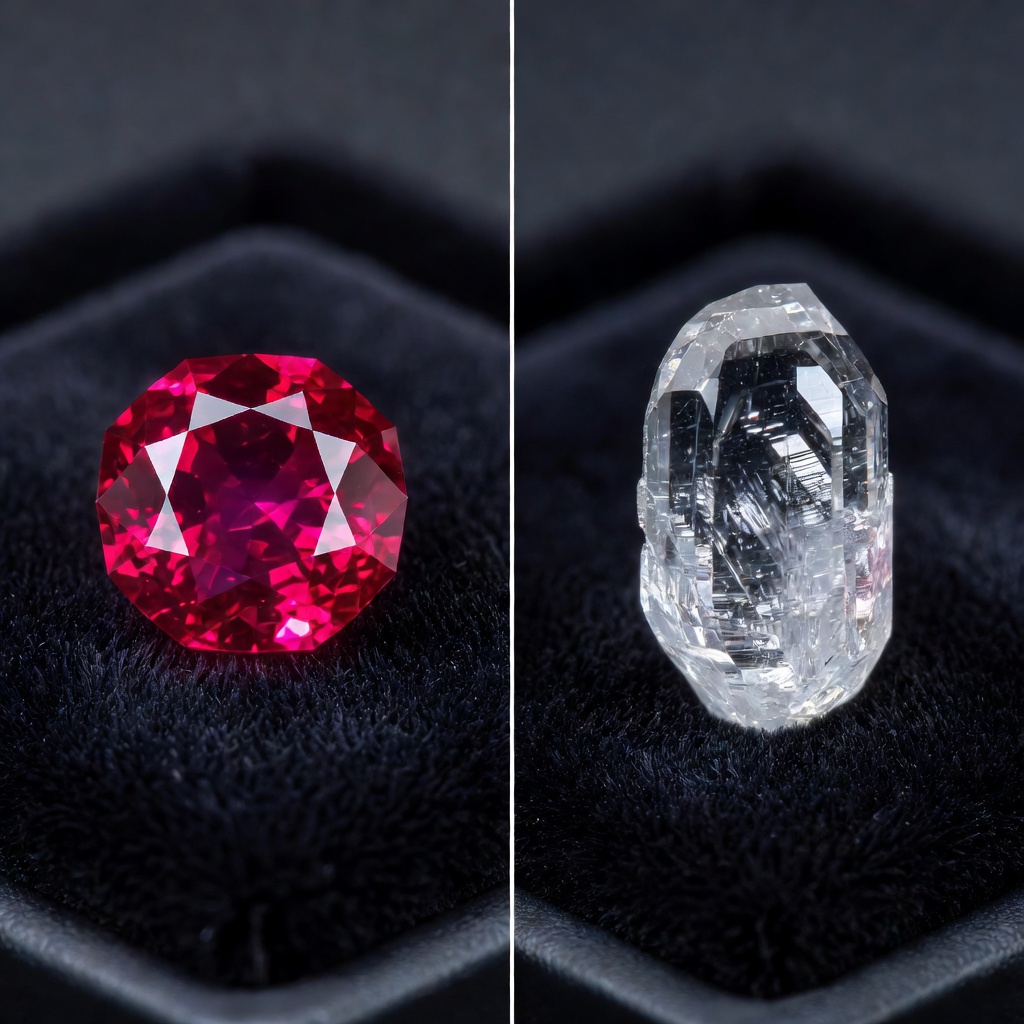
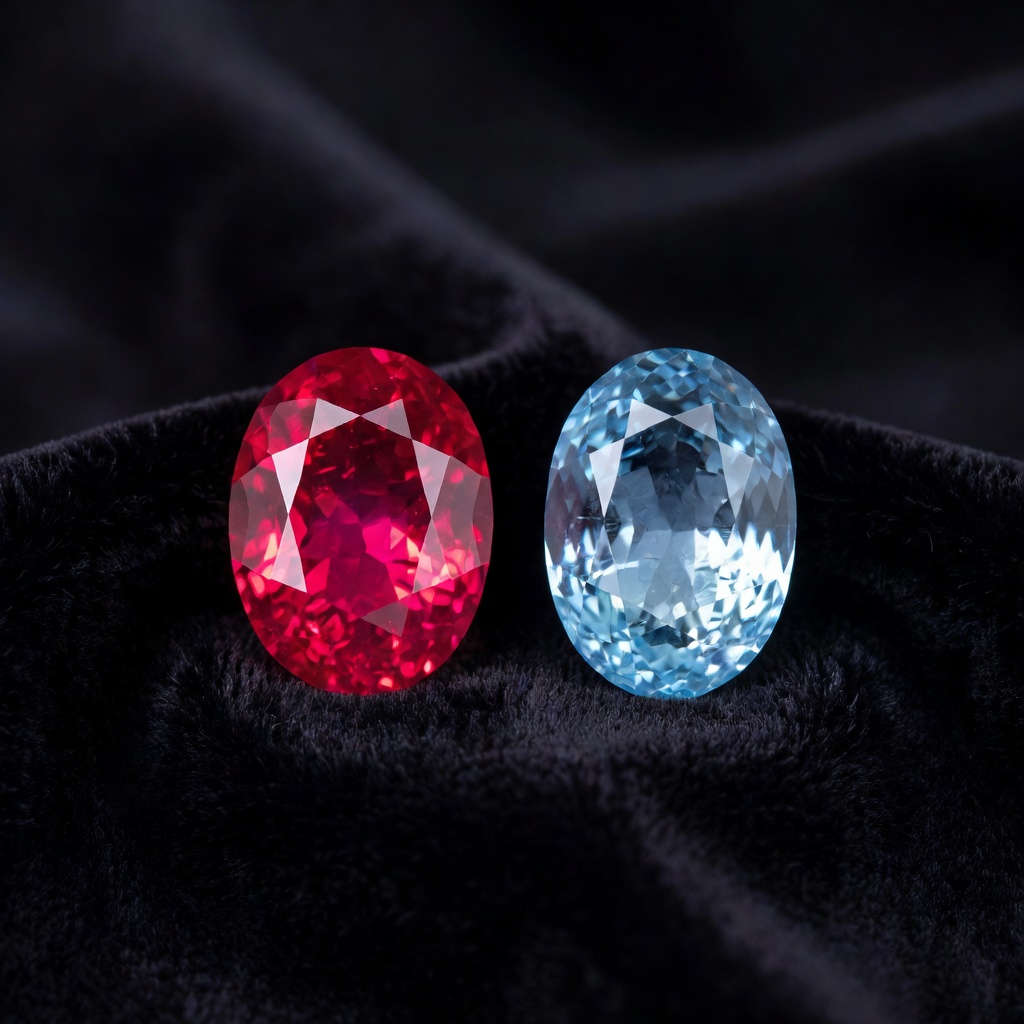
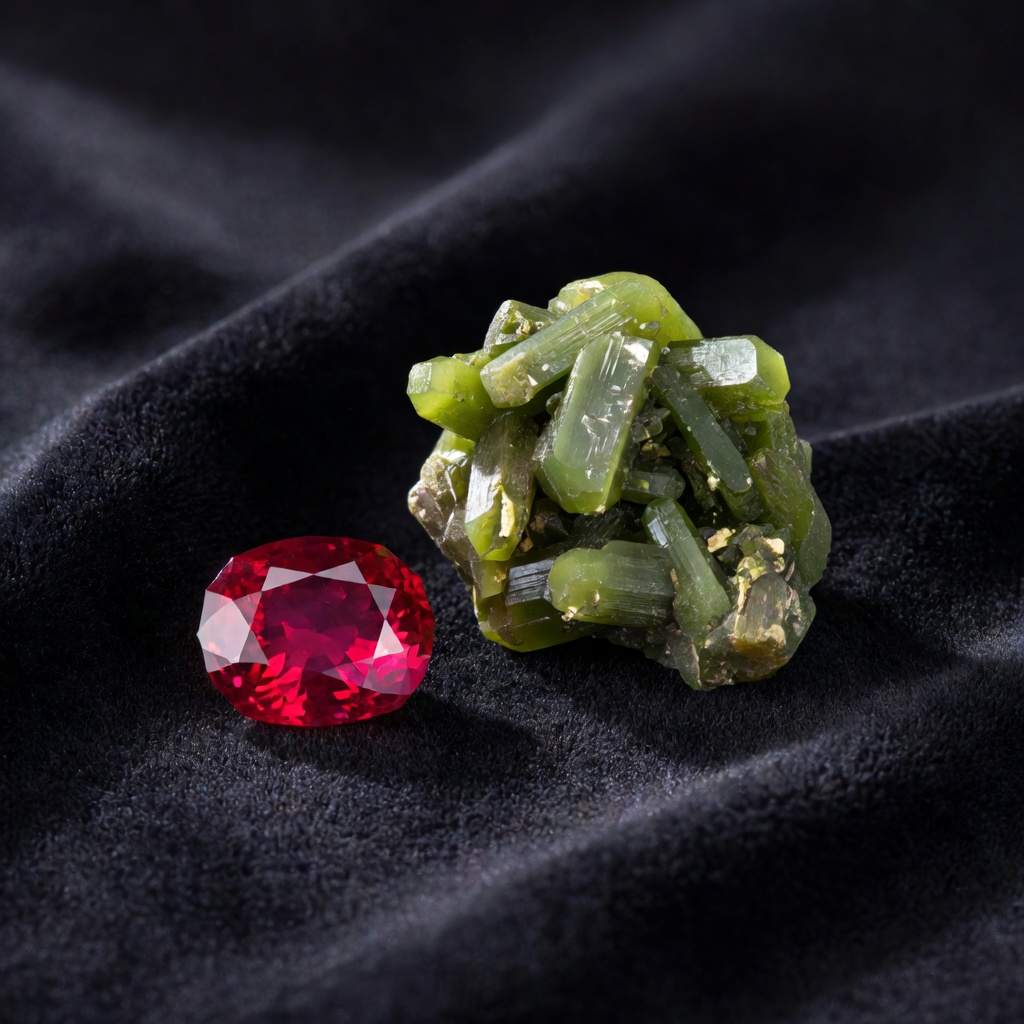
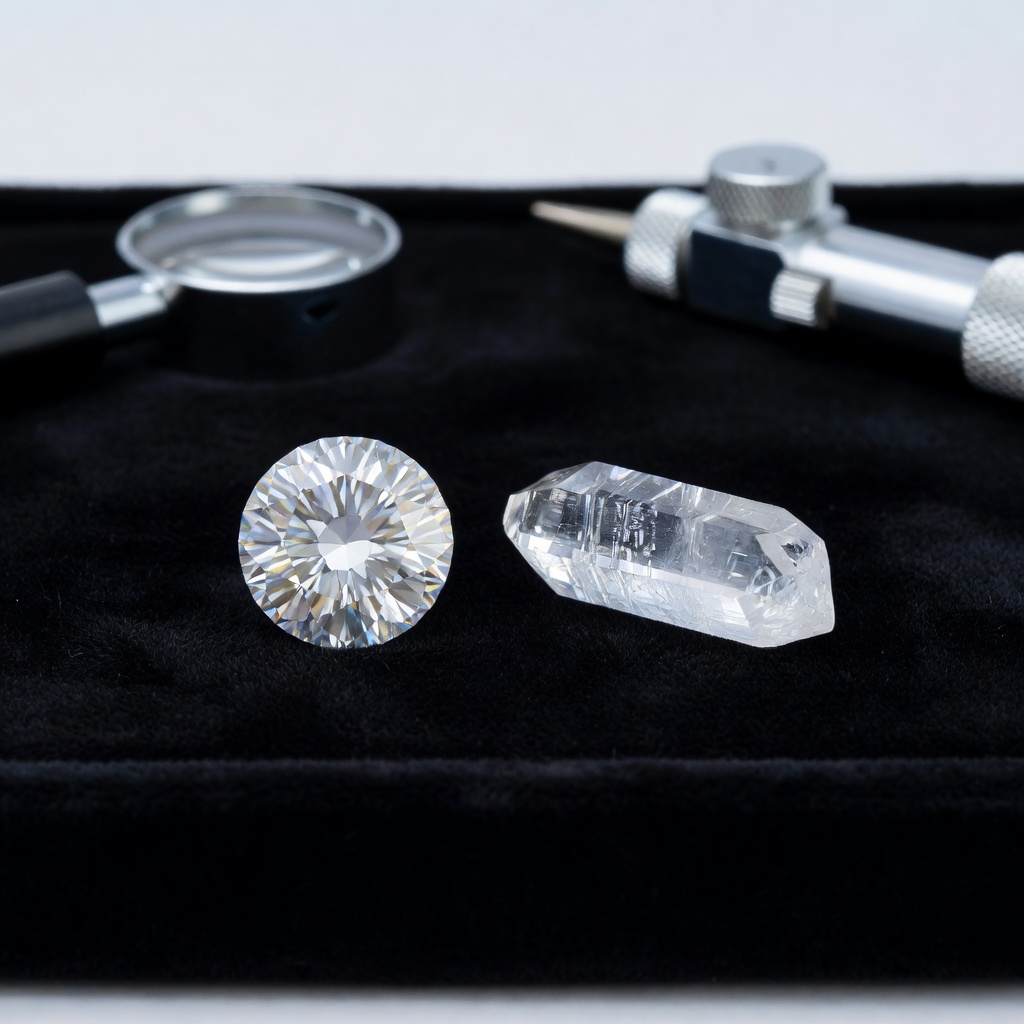
When exploring the world of colorless gemstone alternatives, the comparison between diamond and hambergite presents a fascinating study in contrasts that reveals much about mineralogical diversity. Diamond stands as the undisputed champion of the jewelry world, renowned for being the hardest known natural material and the ultimate symbol of enduring luxury across cultures and centuries. In stark contrast, hambergite remains a relatively obscure rare beryllium mineral, cherished primarily by serious mineral collectors and gemological connoisseurs who appreciate its unique chemical composition and extreme scarcity. These two minerals are frequently compared despite their vastly different properties because both can appear colorless to white in their purest forms, creating initial visual confusion for the untrained eye. Understanding the fundamental mineralogical differences between diamond and hambergite is essential for jewelry designers, collectors, and gemstone enthusiasts who seek to make informed decisions about acquisition, wearability, and investment potential.
Chemical Composition and Crystal Structure
The atomic architecture of diamond and hambergite represents two completely different approaches to crystalline formation, resulting in distinctly different physical behaviors and aesthetic characteristics. Diamond consists entirely of carbon atoms arranged in an isometric cubic crystal system, where each carbon atom forms strong covalent bonds with four neighboring atoms in a tetrahedral lattice that extends three-dimensionally throughout the stone. Hambergite, classified chemically as a beryllium borate mineral with the formula Be2BO3(OH), crystallizes in the orthorhombic system, creating elongated prismatic crystals that often resemble small spars or blades rather than the rounded octahedrons typical of diamond.
These structural differences at the molecular level directly influence how each mineral interacts with light, withstands pressure, and responds to cutting and polishing techniques. The specific gravity of diamond measures approximately 3.52, meaning it feels noticeably heavier than hambergite, which possesses a significantly lower density of 2.35 due to its lighter beryllium and boron content compared to pure carbon. Gemologists often use this density difference as a preliminary identification test, as a similarly sized hambergite will feel almost one-third lighter in the hand than its diamond counterpart, providing an immediate tactile clue during the examination process.
Hardness and Durability Comparison
The disparity in hardness between these two minerals represents one of the most critical factors determining their suitability for different jewelry applications and long-term wearability. Diamond ranks at the absolute pinnacle of the Mohs hardness scale with a perfect 10, making it the hardest known natural substance capable of scratching any other material while remaining virtually impervious to damage from daily contact. Hambergite gemstone properties reveal a more moderate hardness of approximately 7.5 on the Mohs scale, which while sufficient for jewelry use, places it in a category requiring significantly more careful handling and protective settings to prevent surface abrasion and edge chipping.
Beyond simple scratch resistance, the cleavage characteristics of these minerals create divergent vulnerabilities that affect how they respond to impact and setting procedures. Diamond exhibits perfect cleavage in four directions parallel to the octahedral crystal faces, meaning it can split cleanly if struck precisely along these planes, though this property also allows for precise cutting and faceting by skilled lapidaries. Hambergite displays distinct prismatic cleavage that runs parallel to its elongated crystal structure, creating planes of weakness that make it more susceptible to breaking along its length if subjected to lateral pressure or sharp blows.
For practical jewelry applications, these durability differences translate into specific wearing recommendations that can significantly impact the longevity of set stones. Diamond's supreme hardness and relative toughness make it ideal for engagement rings and daily wear items that endure constant contact with hard surfaces, metals, and environmental contaminants. Hambergite requires protective settings such as bezels or halo designs that shield the girdle and crown from direct impact, making it better suited for earrings, pendants, and brooches that experience minimal mechanical stress rather than rings subjected to the rigors of daily hand use.
Optical Properties: Brilliance and Refraction
The optical performance of diamond and hambergite diverges dramatically due to fundamental differences in how each mineral interacts with light at the atomic level, creating distinctly different visual experiences for the observer. Diamond possesses an exceptionally high refractive index of 2.42, which causes light entering the stone to bend sharply and reflect internally multiple times before exiting, creating the brilliant sparkle and "fire" that has made diamond the standard for gemstone optics. Hambergite optical properties present a more modest refractive index ranging from 1.553 to 1.590, closer to quartz than diamond, resulting in less dramatic light bending and a more subdued, glassy luster rather than adamantine brilliance.
Perhaps the most striking optical difference lies in their interaction with polarized light, where diamond demonstrates isotropic behavior while hambergite displays strong anisotropic characteristics. As an isotropic material, diamond maintains the same optical properties in all directions, allowing light to travel through the crystal at uniform speeds regardless of the angle of entry, which contributes to its crisp, sharp facet reflections. Hambergite exhibits strong double refraction with a birefringence value of 0.072, meaning it splits incoming light into two distinct rays that travel at different speeds through the crystal, creating a doubling effect visible as ghosted or fuzzy facet edges when viewed through magnification.
Gemstone identification methods for distinguishing these two minerals often rely heavily on these optical distinctions, as the doubled images visible in hambergite immediately betray its identity under loupe examination. While diamond's high dispersion of 0.044 creates spectacular spectral color flashes by separating white light into rainbow components, hambergite's lower dispersion combined with its double refraction creates a more milky or sleepy appearance that, while attractive in its own right, cannot replicate diamond's characteristic fire and scintillation patterns.
Color Variations and Clarity Characteristics
Both diamond and hambergite occur naturally in colorless to white varieties, yet they display distinctly different color ranges, grading systems, and clarity characteristics that affect their valuation and desirability in the marketplace. Diamonds undergo rigorous color grading on a standardized scale from D (completely colorless) through Z (light yellow or brown), with fancy colored diamonds representing a separate category encompassing rare hues like blue, pink, and yellow caused by trace elements or structural anomalies. Hambergite typically presents as colorless to white in its purest form, though specimens may display pale yellow, pinkish, or grayish tints resulting from trace element inclusions or radiation exposure during formation, without the standardized color grading system applied to diamond.
The internal clarity characteristics of these minerals differ significantly in both type and frequency, affecting how gemologists evaluate transparency and visual purity. Diamonds commonly contain inclusions such as feathers (small fractures), clouds (clusters of tiny inclusions), and included crystals of other minerals like garnet or diopside, with clarity grades ranging from Flawless to Included based on the visibility of these features under magnification. Hambergite more frequently contains liquid inclusions, two-phase inclusions containing both liquid and gas bubbles, and distinctive growth tubes or etch channels that run parallel to the crystal's length, often creating visible internal structures that distinguish it from diamond's typical inclusion patterns.
Transparency levels vary considerably between high-quality specimens of both minerals, though the criteria for "fine" material differ based on intended use and collector preferences. Diamond value increases dramatically with clarity, as completely transparent stones allow maximum light transmission and brilliance, while heavily included diamonds may be used for industrial purposes or receive treatments to improve appearance. For hambergite, transparency represents a crucial value factor particularly for faceted specimens, as opaque or heavily included material typically remains in the domain of mineral collectors rather than jewelry applications, with the finest crystals displaying water-clear transparency that rivals high-quality quartz or beryl.
Geographic Sources and Rarity Factors
The global distribution and mining economics of diamond versus hambergite create vastly different availability scenarios that directly impact market accessibility and collector interest. Diamond mining operations span multiple continents with major production centers in Botswana, Russia, Canada, Australia, and various African nations, collectively producing billions of carats annually through both kimberlite pipe mining and alluvial recovery methods. This extensive geographic distribution, combined with sophisticated extraction technologies and established supply chains, ensures that diamonds remain readily available across all quality grades and price points, from commercial melee to exceptional investment-grade stones.
Hambergite deposits remain restricted to a handful of specific geological localities worldwide, reflecting the highly specialized conditions required for beryllium borate mineral formation in lithium-rich pegmatite environments. Notable sources include the pegmatite fields of Madagascar (particularly the Antandrokomby and Manjaka regions), the Evje district in Norway, the Mogok Stone Tract in Myanmar, and the Sekula Mountains in Tajikistan, with each locality producing crystals exhibiting slightly different habits and color characteristics. Unlike diamond's widespread occurrence, these hambergite localities produce extremely limited quantities of material, with gem-quality crystals measuring over one carat representing significant finds that may surface only sporadically in the collector market.
The geological rarity of hambergite stems from the specific combination of beryllium and boron enrichment required for its formation, elements that rarely concentrate together in sufficient quantities to create macroscopic crystals. While diamonds form under high-pressure, high-temperature conditions present at significant depths throughout Earth's mantle, hambergite requires late-stage pegmatitic crystallization where residual fluids concentrate rare elements, creating narrow geological windows for formation that occur far less frequently than diamond-generating environments. This extreme rarity makes high-quality hambergite specimens more difficult to obtain than diamonds of equivalent size and clarity, despite the latter's higher market recognition and consumer demand.
Cutting, Faceting, and Jewelry Applications
The divergent physical properties of diamond and hambergite necessitate distinctly different approaches to cutting, faceting, and jewelry design that reflect each material's strengths and vulnerabilities. Diamond cutting traditionally employs the round brilliant cut with 57 or 58 facets specifically optimized to maximize the stone's high refractive index and dispersion, creating the "hearts and arrows" pattern and maximum light return that consumers associate with exceptional diamond quality. Advanced laser cutting and automated bruting processes allow diamond manufacturers to achieve precise angles and symmetry that enhance optical performance while working with the material's perfect cleavage to shape rough efficiently.
Hambergite faceting presents unique challenges due to the mineral's distinct prismatic cleavage, moderate brittleness, and sensitivity to thermal shock during the cutting process. Master lapidaries typically favor step cuts, emerald cuts, or portrait cuts for hambergite rather than brilliant cuts, as these styles minimize the risk of cleavage-induced breakage while showcasing the stone's transparency and clarity rather than attempting to maximize brilliance that the lower refractive index cannot support. The cutting process requires slow speed, minimal pressure, and constant water cooling to prevent heat buildup that could cause fracturing along cleavage planes, making hambergite more expensive to cut per carat than more cooperative materials.
Jewelry applications for these two minerals reflect their durability differences and optical characteristics, with design choices significantly impacting the longevity and safety of set stones. Diamond's unmatched hardness allows for versatile prong settings, tension settings, and exposed edge designs that showcase the stone from multiple angles without compromising security, making it ideal for engagement rings and daily wear pieces subjected to mechanical stress. Hambergite jewelry demands protective settings such as full bezels, partial bezels, or halo designs that shield the girdle and pavilion from direct impact, limiting design flexibility but ensuring the stone's survival; consequently, hambergite performs best in earrings, pendants, and brooches where physical protection from contact is easier to maintain.
Market Value and Investment Considerations
The valuation methodologies and market dynamics for diamond and hambergite differ fundamentally, reflecting their distinct positions within the gemstone trade as commercial staples versus collector curiosities. Diamond pricing operates within a highly standardized framework based on the Four Cs system (Carat weight, Cut quality, Color grade, and Clarity grade), with established international markets, certified grading laboratories, and liquid resale channels that provide transparency and predictability for investors and consumers. This standardized approach allows diamonds to function as portable wealth stores and investment vehicles, with certified stones maintaining recognizable value across global markets and economic conditions.
Hambergite value determination remains less formalized, relying on subjective assessments of crystal size, transparency, color purity, and specimen completeness rather than standardized grading scales. While commercial diamonds might range from hundreds to thousands of dollars per carat depending on quality grades, fine hambergite specimens command prices based entirely on rarity and collector demand, with exceptional transparent crystals over two carats potentially fetching prices comparable to mid-tier colored gemstones despite the mineral's obscurity. The lack of established retail channels means most hambergite transactions occur through mineral shows, specialized dealers, and auction houses catering to serious collectors rather than mainstream jewelry consumers.
Investment potential varies significantly between these two minerals based on liquidity, storage considerations, and market volatility factors. Diamonds offer immediate liquidity through established dealers, pawnbrokers, and auction houses, though retail consumers typically face significant markdowns from purchase price when reselling, limiting investment returns to exceptional or rare fancy colored stones. Hambergite represents a speculative collectibles investment where value appreciation depends on increased recognition among mineral enthusiasts and decreasing supply from exhausted localities, requiring specialized knowledge to identify quality specimens and appropriate storage conditions to prevent damage to these relatively soft and cleavage-prone crystals.
Identification and Authentication Methods
Distinguishing between diamond and hambergite requires systematic testing using both simple observational techniques and advanced gemological instrumentation to confirm identity and prevent misidentification. Visual examination under 10x magnification provides immediate clues: diamond displays sharp, crisp facet junctions and a singly refractive appearance where facet edges remain singular and well-defined, while hambergite exhibits fuzzy or doubled facet edges due to its strong double refraction, creating a distinctive "fingerprint" visible even to novice observers. Luster differences also aid identification, with diamond displaying an adamantine (diamond-like) brilliance that appears almost metallic in intensity, compared to hambergite's vitreous (glassy) luster that appears softer and less reflective.
Thermal conductivity testing offers a definitive distinction between these two minerals based on their radically different heat transmission properties. Diamond conducts heat approximately five times faster than copper, causing thermal probes designed for gem testing to indicate "diamond" immediately when touched to the stone's surface. Hambergite, like most silicate and borate minerals, conducts heat poorly, causing the same thermal probe to indicate "not diamond" or provide no reading, creating an unambiguous separation between the two materials that requires no complex interpretation.
Advanced gemstone identification methods include refractometer readings to measure refractive indices, with diamond registering approximately 2.42 (beyond the range of standard refractometers requiring special contact liquids) while hambergite reads between 1.553 and 1.590, well within standard measurement ranges. Polariscope testing reveals diamond's isotropic nature by maintaining dark extinction positions when rotated between crossed polarizing filters, whereas hambergite displays bright interference colors and multiple extinction positions characteristic of anisotropic orthorhombic crystals. For high-value specimens or commercial transactions, laboratory certification from recognized institutions like GIA, AGS, or specialized mineralogical laboratories provides definitive documentation of identity, origin, and any treatments applied to the stone.
Diamond vs Hambergite: Comparative Analysis
| Characteristic | Diamond | Hambergite |
|---|---|---|
| Chemical Composition | Carbon (C) | Beryllium Borate Hydroxide (Be2BO3(OH)) |
| Crystal System | Isometric (Cubic) | Orthorhombic |
| Hardness (Mohs Scale) | 10 (Highest rating) | 7.5 |
| Refractive Index | 2.417 - 2.419 | 1.553 - 1.590 |
| Specific Gravity | 3.52 | 2.35 |
| Optical Character | Isotropic (Single refraction) | Anisotropic (Double refraction: 0.072) |
| Cleavage | Perfect in 4 directions (octahedral) | Distinct prismatic |
| Primary Sources | Botswana, Russia, Canada, Australia | Madagascar, Norway, Myanmar, Tajikistan |
| Typical Jewelry Use | Engagement rings, daily wear | Collector specimens, occasional wear pendants |
| Price Range (per carat) | $1,000 - $50,000+ (depending on 4Cs) | $100 - $2,000+ (depending on rarity and quality) |
Final Verdict: Collector's Gem vs Everyday Luxury
The choice between diamond and hambergite ultimately depends on the intended purpose, wearing conditions, and the collector's or wearer's priorities regarding durability, rarity, and optical performance. Diamond remains the unequivocal choice for daily wear jewelry, particularly engagement rings and pieces subjected to mechanical stress, offering unmatched longevity, brilliance, and established value retention that justifies its premium pricing for commemorative pieces meant to last generations. The combination of diamond hardness Mohs scale superiority, isotropic optical clarity, and global market liquidity makes it the practical standard for jewelry applications where beauty must coexist with resilience.
Hambergite appeals specifically to mineral collectors, gemological enthusiasts, and jewelry connoisseurs seeking unusual rare beryllium minerals that offer exclusivity unavailable in commercial gemstone markets. While unsuitable for rings or bracelets subjected to daily impact, hambergite rewards careful setting in protective pendants or earrings with unique optical characteristics and conversation-starting rarity that distinguishes the wearer from those sporting conventional diamond jewelry. For collectors, the extreme scarcity of fine hambergite crystals compared to the billions of carats of diamonds produced annually offers the satisfaction of owning something genuinely rare, even if the broader market has yet to recognize its value.
When choosing between diamond and hambergite, buyers should assess their lifestyle, wearing habits, and appreciation for geological rarity versus optical performance. Those seeking maximum sparkle, universal recognition, and heirloom durability should invest in diamond, accepting that their stone represents a standardized luxury available to many. Individuals fascinated by crystallography, rare element chemistry, and the thrill of possessing something truly scarce will find hambergite gemstone properties and extreme rarity more compelling than diamond's commercial ubiquity, provided they respect its limitations and display it appropriately in protected settings.
Frequently Asked Questions
Is hambergite harder than diamond?
No, hambergite is significantly softer than diamond. While diamond ranks 10 on the Mohs hardness scale (the highest possible rating), hambergite measures approximately 7.5. This means diamond can scratch hambergite, but not vice versa, making diamond far more suitable for daily wear jewelry.
Can hambergite be used as a diamond substitute in jewelry?
Hambergite is generally not recommended as a diamond substitute for several reasons. Despite being colorless and brilliant, its lower hardness (7.5 Mohs) makes it susceptible to scratching and abrasion in daily wear. Additionally, hambergite exhibits strong double refraction, creating a fuzzy appearance unlike diamond's sharp brilliance, and its perfect cleavage makes it prone to chipping.
Why is hambergite rarer than diamond despite being less valuable?
Hambergite is chemically and geologically rarer than diamond, forming only under specific beryllium and boron-rich conditions in pegmatite deposits. While billions of carats of diamonds are mined annually from multiple continents, gem-quality hambergite crystals are found in only a handful of localities worldwide (primarily Madagascar and Norway) with extremely limited production, making specimens scarce for collectors.
How can you tell the difference between diamond and hambergite?
Several tests distinguish these minerals: 1) Hardness test - diamond scratches hambergite; 2) Optical examination - hambergite shows strong double refraction (doubled facet edges when viewed through the table) while diamond is singly refractive; 3) Thermal testing - diamond conducts heat rapidly while hambergite does not; 4) Specific gravity - diamond feels heavier (3.52 SG) compared to hambergite (2.35 SG).
What is the refractive index of hambergite compared to diamond?
Hambergite has a refractive index ranging from 1.553 to 1.590, significantly lower than diamond's 2.417-2.419. This means diamond bends light more dramatically, creating greater brilliance and 'fire.' However, hambergite possesses unusually strong birefringence (0.072), which creates interesting optical effects but reduces its ability to mimic diamond's appearance.
Is hambergite valuable for collectors?
Yes, high-quality hambergite crystals are valuable to mineral collectors and gem enthusiasts, particularly transparent specimens over 2 carats with good clarity. While not matching diamond prices per carat, exceptional hambergite specimens command premium prices due to their extreme rarity and the difficulty of obtaining facetable material. The value increases significantly for crystals showing unique color tinges or exceptional transparency.
Where are the best hambergite specimens found?
The finest gem-quality hambergite historically comes from Madagascar, particularly the Antandrokomby and Manjaka regions, producing transparent colorless to pale yellow crystals. Other notable sources include the Sekula Mountains in Tajikistan, Evje in Norway, and Mogok in Myanmar. Each locality produces slightly different crystal habits and color variations, with Malagasy material generally considered the best for faceting.
Does hambergite sparkle like a diamond?
While hambergite can display good brilliance and glassy luster, it does not sparkle like diamond due to its lower refractive index and strong double refraction. The double refraction in hambergite actually creates a 'fuzzy' or doubled image of facet edges when viewed closely, whereas diamond produces sharp, crisp flashes of light and spectral fire due to its high dispersion and single refraction.