Introduction: Understanding Diamond vs Green Beryl
When selecting a precious gemstone for fine jewelry, the comparison between diamond and green beryl represents one of the most significant decisions in the luxury market. Diamond stands as the hardest known natural material, formed under extreme geological conditions deep within the Earth's mantle, while green beryl emerges as a captivating member of the beryl family gemstones, offering distinctive color variations that range from subtle mint to intense forest hues. These two stones frequently compete for attention in engagement ring selections and high-end fashion pieces, despite possessing fundamentally different physical properties, aesthetic qualities, and value propositions. Understanding the nuanced differences between these precious materials enables informed decisions based on lifestyle requirements, budget constraints, and long-term wearing intentions, whether you seek a traditional brilliant stone or a unique colored gem as a diamond alternative gemstone.
Chemical Composition and Geological Formation
The fundamental distinction between these gemstones begins at the molecular level, where their chemical architectures dictate every subsequent physical property. Diamond consists of pure carbon atoms arranged in an isometric cubic crystal system, formed approximately 140 to 190 kilometers beneath the Earth's surface under pressures exceeding 50 kilobars and temperatures around 1,300 degrees Celsius. These extraordinary conditions, maintained for billions of years, create the strongest covalent bonds found in nature, resulting in unmatched hardness and thermal conductivity.
Green beryl, conversely, comprises beryllium aluminum silicate (Be₃Al₂Si₆O₁₈) crystallizing in the hexagonal system, typically forming within hydrothermal veins and granitic pegmatites under comparatively moderate temperature and pressure conditions. The characteristic green coloration arises from trace elements including chromium, vanadium, or iron substituting into the crystal lattice during formation. While diamonds require one to three billion years to develop, green beryl forms over millions of years through hydrothermal processes where mineral-rich fluids permeate rock cavities, creating crystals that can grow to substantial sizes but with different structural vulnerabilities than their carbon counterparts.
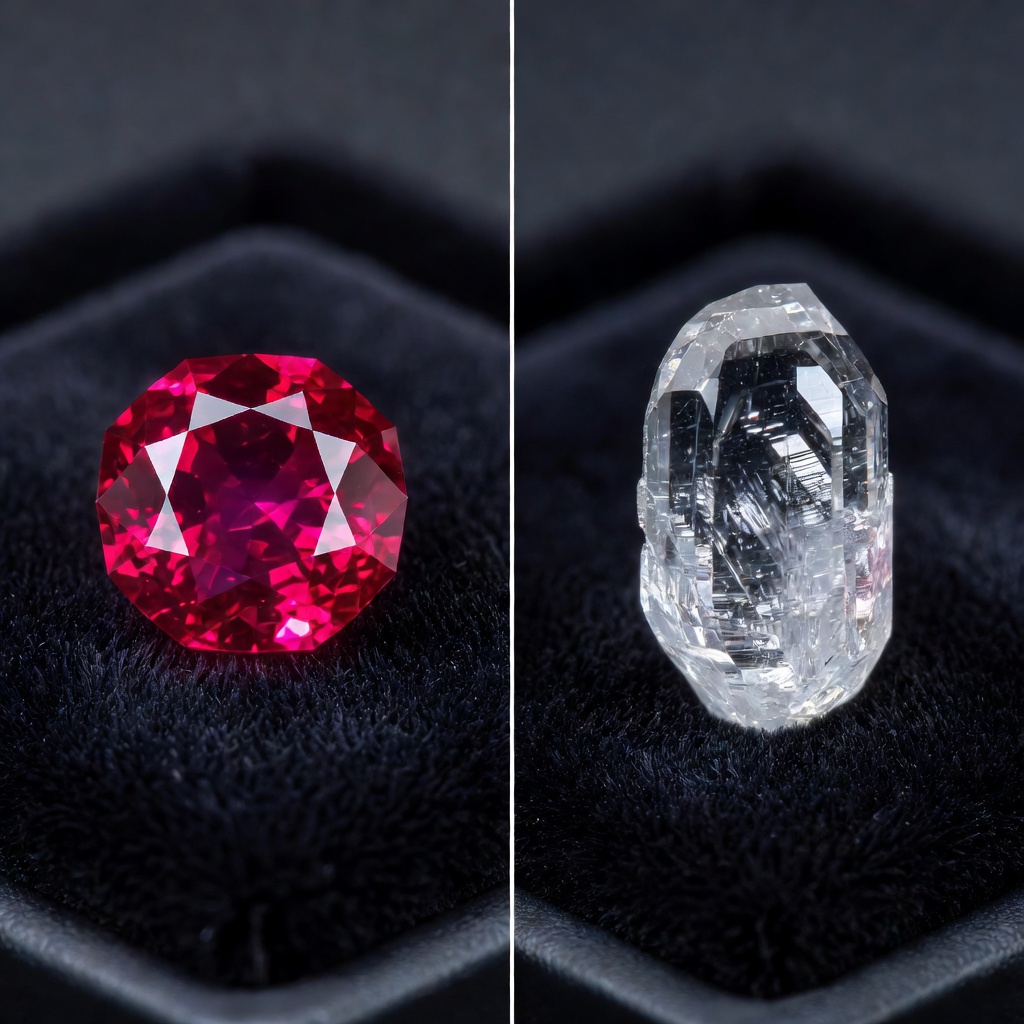
These formation differences directly impact cutting and optical performance. Diamond's cubic structure allows precise faceting that maximizes light return through specific angles, while green beryl's hexagonal crystal habit influences how cutters orient the table and pavilion to enhance color and minimize the appearance of inclusions. Gemologists examining rough specimens can immediately distinguish between the two through crystal shape alone, as diamonds form octahedral or dodecahedral habits whereas green beryl presents as six-sided prismatic columns terminating in flat pyramidal faces.
Hardness and Durability: The Mohs Scale Reality
The disparity in hardness between these gemstones represents the most critical practical consideration for prospective buyers, directly influencing lifetime wearability and maintenance requirements. Diamond occupies the apex of the Mohs hardness scale at 10, making it approximately 140 times harder than green beryl, which ranks 7.5 to 8 on the same scale. This profound difference means that diamond can scratch green beryl effortlessly, while green beryl cannot mark diamond, creating important implications for storage and wearing protocols.
Beyond simple scratch resistance, fracture toughness and cleavage characteristics reveal additional durability nuances. Diamond possesses perfect cleavage in four directions, making it susceptible to splitting if struck at specific angles, despite its resistance to abrasion. Green beryl, particularly when discussing emerald varieties within the green beryl spectrum, typically contains more inclusions and internal fractures that create planes of weakness throughout the crystal structure. While both stones can chip under impact, green beryl's brittleness requires more vigilant protection during daily activities.
For active lifestyles involving manual labor, sports, or frequent hand contact with hard surfaces, diamonds provide superior security for daily wear heirloom pieces. Green beryl suits collectors and fashion-forward wearers who understand that their jewelry requires occasional removal during high-impact activities. When comparing green beryl hardness vs diamond, consider that a green beryl ring worn daily for five years will likely show surface abrasions and facet junction wear, whereas a diamond maintains pristine polish indefinitely under identical conditions.
Visual Characteristics: Brilliance, Fire, and Color
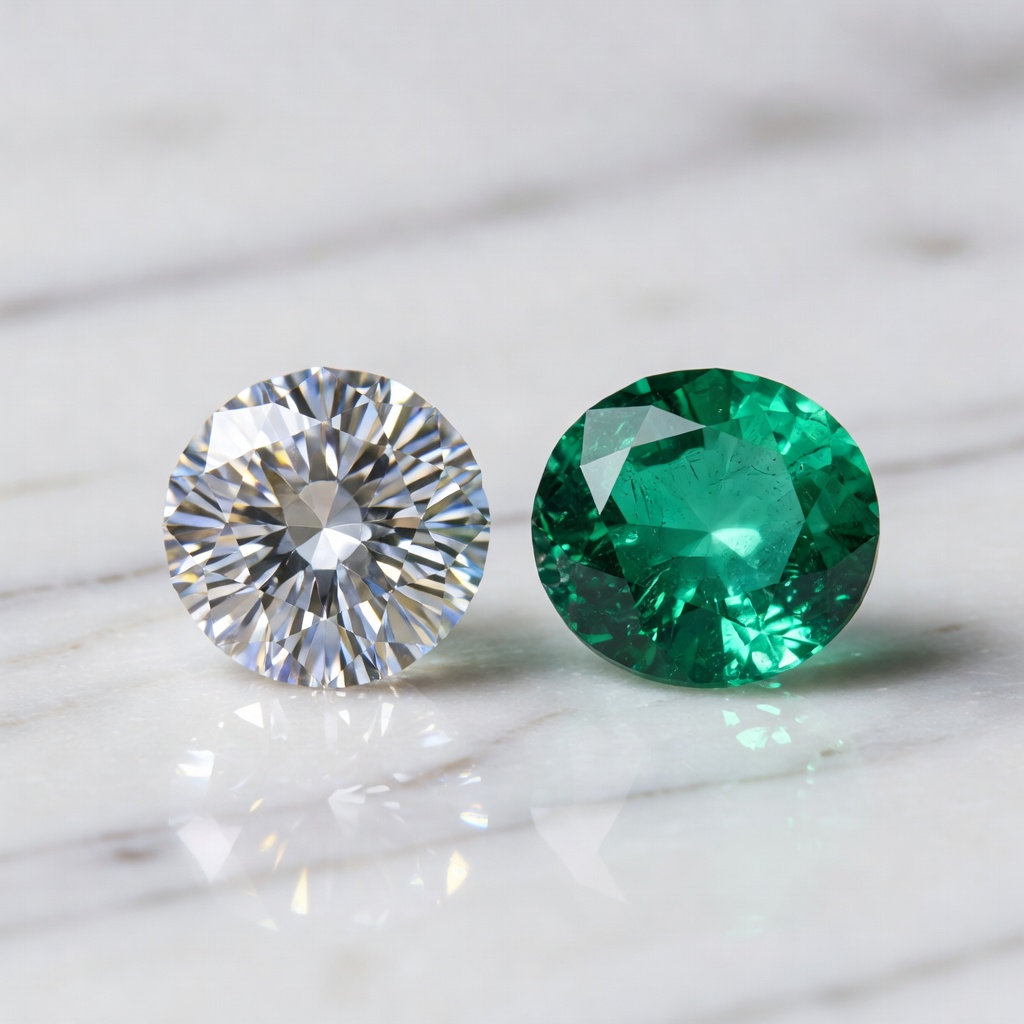
Optical performance separates these gemstones into distinct aesthetic categories, appealing to different visual preferences and stylistic sensibilities. Diamond boasts a refractive index of 2.42 and a dispersion rate of 0.044, creating the spectacular brilliance (white light reflection) and fire (spectral color separation) that have defined luxury jewelry for centuries. When expertly cut, diamonds return approximately 17% of incident light as external brilliance, producing that distinctive sparkle recognized across rooms and lighting conditions.
Green beryl exhibits a more subdued refractive index ranging from 1.57 to 1.60 with significantly lower dispersion, resulting in a vitreous or glass-like luster rather than diamond's adamantine sparkle. However, green beryl compensates through its distinctive color palette, offering hues from pale seafoam and mint green to deep, saturated forest tones that diamonds cannot naturally achieve. When examining emerald vs diamond comparison scenarios, the green beryl's body color creates a completely different visual impact, emphasizing depth and richness over optical fireworks.
Cut optimization strategies diverge significantly between these materials. Diamond cutters prioritize mathematical precision to maximize light return, often sacrificing carat weight for optical performance. Green beryl cutters, conversely, typically orient the crystal to enhance color saturation and minimize the visibility of inclusions, sometimes accepting deeper pavilions or thicker girdles to preserve the most vivid green sections of the rough crystal. For buyers seeking unique colored gemstones as diamond alternative gemstones, green beryl offers an organic, earthy aesthetic that contrasts sharply with diamond's icy brilliance.
Clarity Standards and Typical Inclusions
Clarity evaluation methodologies differ substantially between these gemstones, reflecting their distinct geological formation environments and market expectations. Diamonds follow a rigorous grading scale from Flawless (FL) to Included 3 (I3), with stringent criteria for identifying internal characteristics under 10x magnification. The diamond industry accepts minimal inclusions in high-value stones, with VS (Very Slightly Included) and SI (Slightly Included) categories representing popular平衡点 between purity and price.
Green beryl operates under more inclusive clarity standards, particularly for emerald varieties where inclusions are not merely tolerated but expected. These inclusions, traditionally called "jardin" (French for garden), appear as mossy, feather-like, or crystal-filled patterns throughout the stone. Unlike diamonds where inclusions often appear as discrete crystals or cleavage feathers, green beryl frequently contains multiphase inclusions containing liquid, gas, and solid material trapped during formation. Eye-clean green beryl commands premium prices, yet even high-value specimens typically contain visible characteristics under magnification that would disqualify diamonds from top tier grades.
Treatment disclosure becomes particularly critical when evaluating green beryl, as approximately 90% of emeralds undergo oiling or resin fracture-filling to improve apparent clarity. These treatments require special care and affect long-term value, whereas diamonds rarely receive clarity enhancements beyond laser drilling or fracture-filling of specific feathers, treatments that must always be disclosed. When assessing structural integrity, diamond inclusions rarely threaten durability unless they reach the surface, while green beryl's jardin can create weak points susceptible to thermal shock or mechanical stress during setting and cleaning.
Market Value and Investment Potential
Economic considerations reveal dramatic disparities between these gemstones, influencing both initial acquisition costs and long-term value retention. Quality diamonds typically command $3,000 to $30,000 or more per carat depending on the four Cs (cut, color, clarity, carat), with fancy colored diamonds reaching even higher premiums. Green beryl presents a more accessible entry point, with prices ranging from $100 per carat for lighter, included specimens to $3,000 or more per carat for fine emeralds with exceptional color and transparency.
Valuation factors diverge significantly between the two markets. Diamond pricing relies heavily on standardized grading reports from laboratories like GIA or AGS, creating transparent, liquid markets where stones with identical certificates command similar prices globally. Green beryl valuation emphasizes color intensity above all other factors, with vivid, saturated greens achieving premiums regardless of minor inclusions that would devastate diamond values. Origin significantly impacts green beryl pricing, with Colombian emeralds commanding premiums over Zambian or Brazilian specimens, whereas diamond origin rarely affects pricing unless specifically marketing ethical sourcing.
Investment liquidity favors diamonds due to established resale markets, auction house acceptance, and consistent demand. While exceptional untreated green beryl from famous mines can appreciate significantly, the market remains more specialized and volatile. For buyers viewing jewelry as wealth preservation, diamonds offer superior convertibility to cash, while green beryl appeals to collectors seeking aesthetic distinction within a precious gemstone buying guide framework. When comparing green beryl value vs diamond, consider that a $5,000 budget might acquire a modest 0.5-carat diamond or a striking 3-carat green beryl with impressive visual presence.
| Characteristic | Diamond | Green Beryl |
|---|---|---|
| Chemical Composition | Pure Carbon (C) | Beryllium Aluminum Silicate (Be₃Al₂Si₆O₁₈) |
| Mohs Hardness | 10 (Hardest natural material) | 7.5-8 (Moderately hard) |
| Refractive Index | 2.42 (High brilliance) | 1.57-1.60 (Subtle vitreous luster) |
| Typical Color Range | Colorless to fancy colors (D-Z scale) | Pale mint to deep forest green |
| Price per Carat (Quality Range) | $3,000 - $30,000+ | $100 - $3,000+ |
| Durability for Daily Wear | Excellent (suitable for active lifestyles) | Moderate (requires protective settings) |
| Common Inclusions | Feathers, crystals, pinpoints | Jardin (garden-like patterns), multiphase inclusions |
| Typical Treatments | Rarely treated (laser drilling occasionally) | Frequently oiled or fracture-filled |
| Best Jewelry Applications | Engagement rings, daily heirlooms | Cocktail rings, pendants, occasional wear |
| Cleaning Safety | Safe for ultrasonic and steam cleaning | Risky for ultrasonic (can damage inclusions/oil) |
| Ethical Certification | Kimberley Process available | Limited traceability standards |
Jewelry Applications and Setting Requirements
Practical jewelry design considerations favor diamonds for pieces intended for daily, generational wear, particularly engagement rings and wedding bands subject to constant exposure. The superior hardness ensures that prongs and bezels maintain their grip without wear, while the stone itself resists the abrasion that occurs during handwashing, typing, and daily contact with various materials. For these applications, classic solitaire settings, tension settings, and pavé bands perform excellently with diamonds, requiring only periodic prong inspection.
Green beryl demands more protective design strategies that account for its relative softness and brittleness. Bezel settings, halo designs, and protective V-prongs at the corners shield vulnerable edges from impact, preventing chips and fractures that commonly occur in exposed prong settings. Green beryl excels in pendant necklaces and earrings, where impact risk remains minimal, or in cocktail rings intended for special occasions rather than daily wear. When selecting metal pairings, white gold and platinum enhance diamond's cool brilliance, while yellow gold complements green beryl's verdant tones, though rose gold creates striking contemporary combinations with both stones.
Design versatility extends across both materials, from vintage Art Deco-inspired geometric settings to modern minimalist bezels. However, green beryl's larger crystal sizes allow for bold statement pieces at accessible price points, whereas equivalent diamond sizes become prohibitively expensive for many buyers. For those seeking diamond alternative gemstones in engagement contexts, green beryl requires honest assessment of lifestyle habits—active individuals who rarely remove jewelry should choose diamond, while those who remove rings during physical activities and appreciate unique color may find green beryl perfectly suitable.
Care, Maintenance, and Cleaning Protocols
Maintenance procedures diverge significantly based on hardness and inclusion characteristics, requiring distinct protocols to preserve each stone's beauty. Diamonds tolerate ultrasonic cleaners and steam cleaning without risk, as their hardness and lack of treatments withstand these aggressive cleaning methods that remove accumulated lotions, oils, and debris from settings. Professional jewelers routinely use steam and ultrasonic equipment for diamond jewelry with confidence, though checking loose stones before cleaning remains prudent.
Green beryl requires gentler, more meticulous care due to its brittleness and frequent oil treatments. Never subject green beryl to ultrasonic vibrations, which can expand existing fractures or dislodge oil fillers, or steam cleaning, which may damage heat-sensitive inclusions or cause thermal shock. Instead, soak green beryl jewelry in lukewarm water with mild dish soap for fifteen minutes, then gently brush with a soft-bristled baby toothbrush to remove debris from beneath the stone and around prongs. Rinse thoroughly and pat dry with a lint-free cloth.
Storage protocols prevent accidental damage between different hardness levels. Always store green beryl pieces separately from diamond jewelry in individual soft pouches or compartmentalized boxes, as diamond can easily scratch green beryl if pieces jostle together in a jewelry box. Professional inspection schedules should occur every six months for green beryl rings to check for loose prongs or developing chips, while diamond pieces require annual checks unless trauma occurs. Avoid exposing green beryl to harsh household chemicals, extreme heat, or sudden temperature changes that can fracture the stone or degrade oil treatments.
Ethical Sourcing and Environmental Impact
Contemporary consumers increasingly prioritize provenance and environmental impact when selecting precious gemstones, revealing different challenges and solutions for diamonds versus green beryl. The diamond industry operates under the Kimberley Process Certification Scheme, established in 2003 to prevent conflict diamonds from entering legitimate markets, though critics note limitations in addressing human rights abuses outside conflict zones. Additionally, the rise of laboratory-grown diamonds offers sustainable diamond alternatives with identical physical properties and reduced environmental footprints compared to mining.
Green beryl, particularly emeralds from Colombia, Zambia, and Brazil, lacks equivalent standardized certification systems, creating traceability challenges throughout the supply chain. While some mining operations adhere to fair trade principles and artisanal mining cooperatives, verifying ethical provenance requires direct relationships with cutters and dealers rather than universal documentation. Mining impact comparisons favor beryl extraction generally, as beryl quarrying typically requires less energy-intensive processing than diamond kimberlite pipe mining or alluvial dredging, though specific environmental impacts vary dramatically by mine location and regulation.
For ethically conscious buyers, recycled diamonds provide existing material options without new mining impacts, while antique green beryl pieces offer vintage alternatives. Direct sourcing from mine-to-market dealers who provide detailed provenance documentation supports artisanal communities while ensuring transparency. Whether choosing diamond or green beryl, requesting specific information about mining practices, labor conditions, and environmental rehabilitation efforts helps drive industry accountability and supports sustainable gemstone consumption.
Final Decision: Which Gemstone Should You Choose?
Selecting between diamond and green beryl ultimately requires honest assessment of lifestyle, aesthetic preferences, and long-term intentions for the jewelry piece. Active individuals who rarely remove rings, work with their hands, or engage in sports should prioritize diamond for its unmatched durability and low-maintenance requirements. Those who view jewelry as occasional adornment, remove pieces during physical activities, and prioritize unique color over traditional brilliance will find green beryl offers distinctive beauty at accessible price points within a precious gemstone buying guide framework.
Budget optimization strategies favor green beryl for maximizing visual impact within constrained finances, as the price differential allows for significantly larger carat weights and custom designer settings that might be unattainable with diamonds. However, if long-term value retention and heirloom potential matter most, diamonds provide safer investment vehicles with established resale markets. Consider also color psychology—diamonds offer timeless neutrality that coordinates with any wardrobe, while green beryl makes specific fashion statements that complement earth tones, autumn palettes, and nature-inspired aesthetics.
For engagement rings intended as lifelong symbols, diamonds remain the conservative choice for daily wear durability, though green beryl suits couples seeking non-traditional expressions who accept gentler care protocols. Fashion jewelry and statement pieces provide ideal contexts for green beryl's captivating color without compromising longevity concerns. Whichever stone you select, purchase from reputable dealers providing certification (GIA/AGS for diamonds, recognized labs for green beryl), verify treatment disclosures for green beryl, and choose protective settings appropriate for the stone's hardness to ensure generations of enjoyment.
Frequently Asked Questions
Is green beryl the same as emerald?
While emerald is a variety of green beryl, not all green beryl qualifies as emerald. Emeralds possess a distinct vivid green to bluish-green color with medium to dark tone and moderately strong to strong saturation. Green beryl refers to lighter-toned, less saturated green specimens of the beryl family that don't meet emerald's strict color requirements.
Which is harder, diamond or green beryl?
Diamond ranks 10 on the Mohs hardness scale, making it the hardest known natural material, while green beryl ranks 7.5-8. This significant difference means diamonds can scratch green beryl, but green beryl cannot scratch diamonds. The hardness disparity affects durability for daily wear and cleaning protocols.
Is green beryl significantly cheaper than diamond?
Yes, green beryl is generally much more affordable than diamond. While quality diamonds command $3,000-$30,000+ per carat, green beryl typically ranges from $100-$3,000 per carat depending on color intensity and clarity. However, fine emeralds (premium green beryl) with exceptional color can sometimes approach lower-grade diamond prices.
Can green beryl be used in engagement rings?
Green beryl can be used in engagement rings but requires careful consideration due to its 7.5-8 Mohs hardness and brittleness. Protective settings like bezels or halos are recommended to shield the stone from impacts. While diamonds remain superior for daily wear, green beryl suits those prioritizing unique color who accept gentler wear habits.
How can I visually tell the difference between diamond and green beryl?
Diamonds display superior brilliance and fire (rainbow flashes) due to higher refractive index, while green beryl shows more subtle vitreous luster. Green beryl exhibits distinct green coloration ranging from pale to vivid, whereas diamonds are typically colorless or near-colorless (unless fancy colored). Diamonds also feel colder to the touch due to higher thermal conductivity.
Does green beryl require special care compared to diamond?
Green beryl requires more careful handling than diamond. Avoid ultrasonic and steam cleaners which can damage included stones or oil treatments. Clean green beryl with mild soapy water and soft brushes only. Store separately from harder gemstones including diamonds to prevent scratching, and avoid exposure to harsh chemicals, heat, and sudden temperature changes.
Which gemstone is better for investment purposes?
Diamonds historically offer better investment liquidity and value retention due to established grading systems and global markets. However, exceptional untreated green beryl (particularly fine emeralds from specific mines) can appreciate significantly. For pure investment, diamonds are safer; for speculative collectible potential, rare high-quality green beryl offers opportunities but with higher market risk.