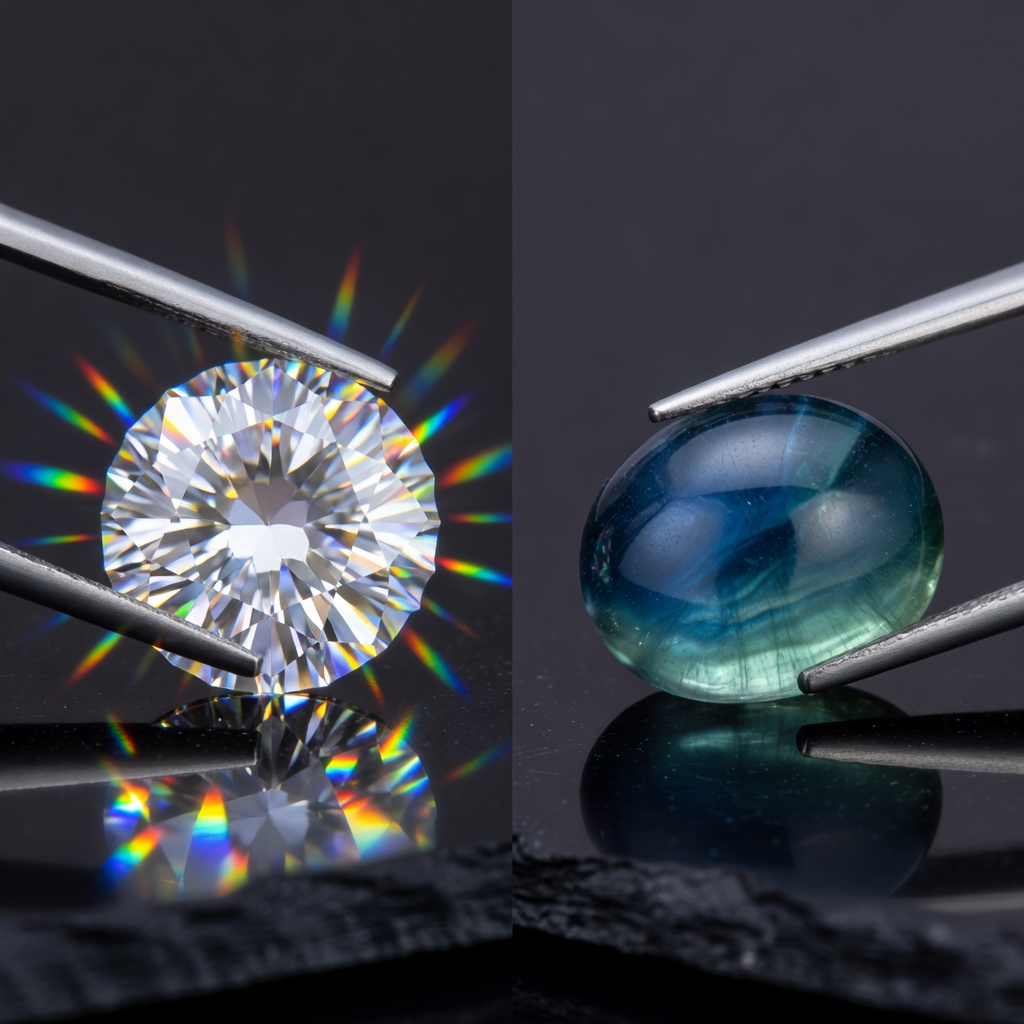
The Ultimate Gemstone Dilemma: Understanding Diamond vs Grandidierite
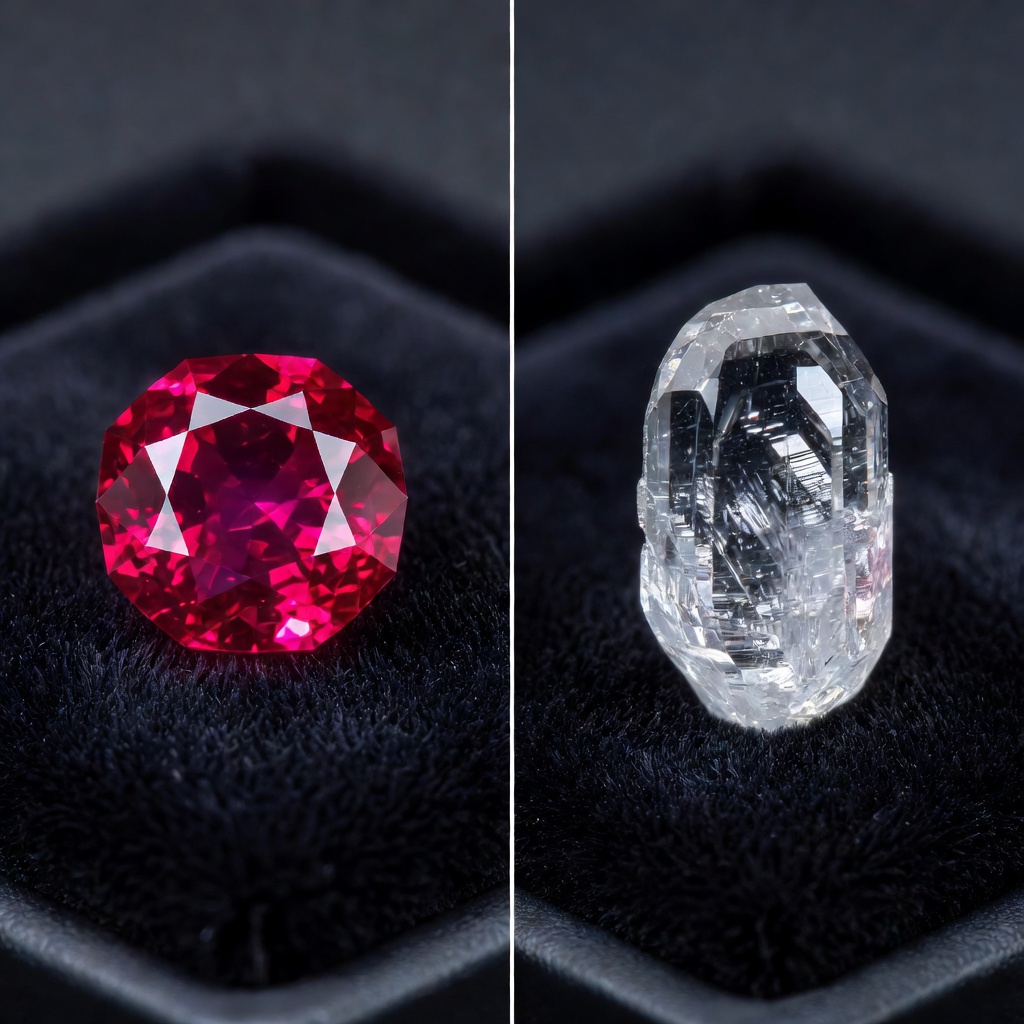
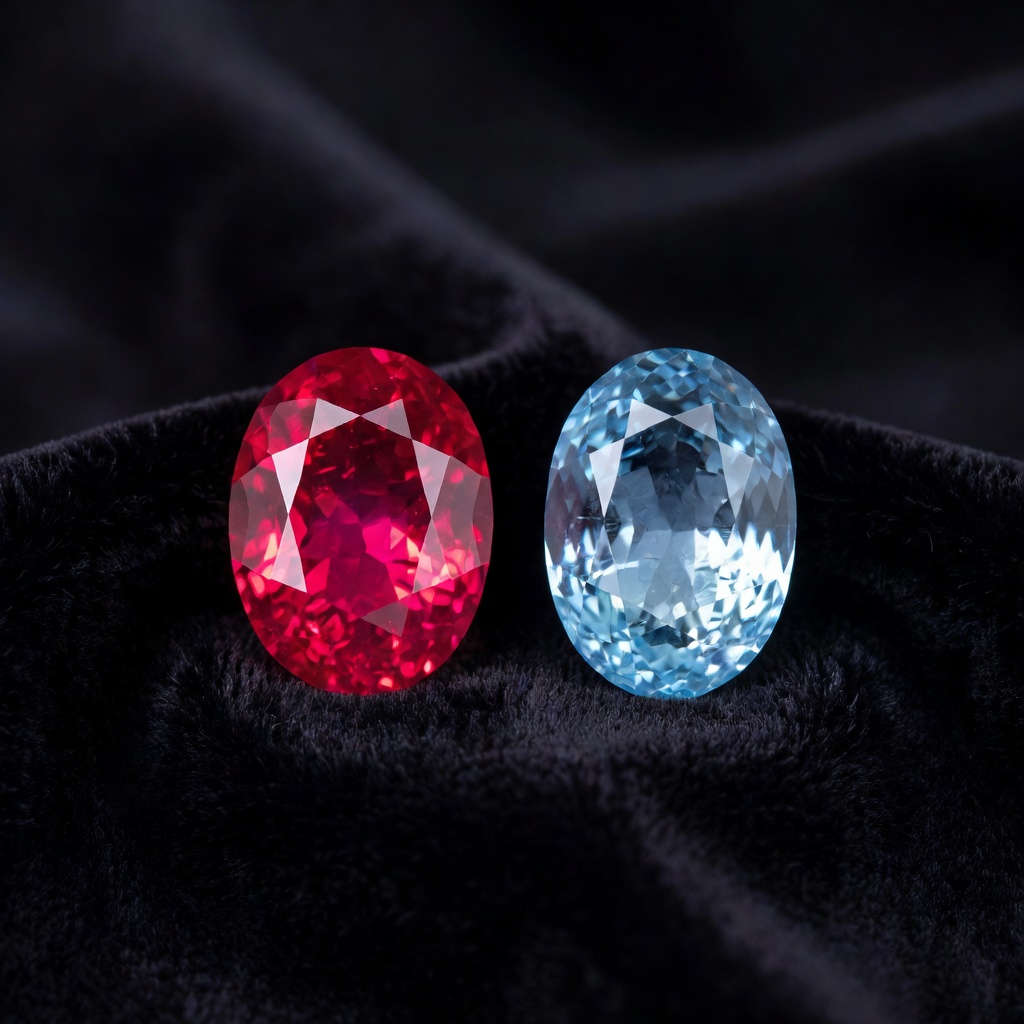
When selecting a gemstone that balances beauty, durability, and value, collectors and jewelry enthusiasts often face a fascinating paradox. The comparison of Diamond vs Grandidierite represents the ultimate tension between universal accessibility and extreme exclusivity in the fine jewelry market. While diamonds have dominated engagement rings and luxury accessories for centuries with their unmatched brilliance, grandidierite remains one of the rarest gemstones on Earth, with fewer than two dozen faceted specimens known to exist in private collections. To navigate this complex decision, gemologists employ the nawiol framework, evaluating gemstones across four critical dimensions: Natural rarity, Aesthetic appeal, Wearability for daily use, Investment liquidity, Overall durability, and Long-term value retention. This comprehensive analysis will examine both stones through these criteria, comparing hardness, optical properties, investment potential, and practical wearability to help you determine which gem deserves a place in your collection or jewelry box.
Origins and Geological Formation
The geological journeys of these two extraordinary gemstones could not differ more dramatically, reflecting their distinct chemical compositions and formation environments. Diamonds crystallize deep within the Earth's mantle, approximately 90 to 120 miles below the surface, where carbon atoms arrange themselves into isometric crystal structures under immense pressure of 45,000 to 60,000 atmospheres and temperatures exceeding 1,650 degrees Fahrenheit. These ancient stones form over 1 to 3 billion years within kimberlite and lamproite pipes, later violently transported to the surface by volcanic eruptions. Major diamond deposits span multiple continents, including Botswana, Russia, Canada, and Australia, with industrial mining operations extracting millions of carats annually through both open-pit and underground methods.
In stark contrast, grandidierite's story begins much closer to the Earth's crust within high-grade metamorphic rocks under specific temperature and pressure conditions found almost exclusively in Madagascar. Discovered in 1902 by French mineralogist Alfred Lacroix and named after explorer and naturalist Alfred Grandidier, this rare blue-green gemstone forms through complex metamorphic processes involving boron-aluminum silicates. Unlike diamonds' global distribution, gem-quality grandidierite has only been found in a handful of locations worldwide, including small deposits in southern Madagascar and trace findings in Sri Lanka and Namibia. The mining of Madagascar rare gems occurs through artisanal methods, with miners carefully extracting small quantities of material from narrow veins within host rocks, often yielding specimens no larger than a few carats.
The extraction challenges highlight fundamental differences in availability and environmental impact. Diamond mining utilizes massive industrial equipment, with companies like De Beers and Alrosa operating sophisticated infrastructure to process kimberlite ore, using X-ray transmission and grease tables to separate diamonds from waste rock. Conversely, grandidierite recovery relies on manual labor and primitive tools, as miners must carefully examine each piece of host rock to prevent fracturing the extremely rare crystals. This artisanal approach limits annual production to mere kilograms of rough material, compared to the 130 million carats of diamonds mined globally each year, fundamentally shaping the supply dynamics and market accessibility of these two gemstones.
Physical Properties and Durability Analysis
Understanding the Mohs hardness scale comparison between these gemstones reveals critical implications for jewelry longevity and everyday practicality. Diamonds achieve a perfect score of 10 on the Mohs scale, representing the hardest known natural material, capable of scratching every other substance while remaining impervious to damage from daily contact with household items, metals, and other gemstones. This exceptional hardness stems from the strong covalent bonds between carbon atoms in an isometric crystal system, creating a three-dimensional network of tetrahedral structures that resist deformation under stress. Grandidierite ranks significantly lower at 7 to 7.5 on the Mohs scale, comparable to quartz or tourmaline, making it susceptible to scratching from harder materials like topaz, corundum, and obviously diamonds themselves.
The crystal structure differences further illuminate durability concerns beyond simple hardness measurements. Diamonds crystallize in the isometric system, exhibiting perfect octahedral cleavage in four directions, which while contributing to their ability to be cut with precision, also creates potential fracture points if struck with sufficient force at specific angles. Grandidierite crystallizes in the orthorhombic system, forming elongated prismatic crystals with distinct cleavage planes perpendicular to the c-axis. While this structure contributes to the gemstone's pleochroic properties, it also creates vulnerabilities to mechanical shock and pressure that jewelers must consider when designing settings.
Toughness and resistance to breakage present another crucial distinction for collectors evaluating wearability. Despite their extreme hardness, diamonds possess only fair to good toughness due to their cleavage planes, meaning they can chip if struck against hard surfaces at specific angles. Grandidierite exhibits variable toughness depending on its internal structure, with heavily included specimens showing poor resistance to impact while cleaner stones demonstrate moderate durability. For jewelry applications, this means diamonds require secure prong settings that protect girdle edges, whereas grandidierite demands protective bezel or halo settings that shield the stone from direct impact and abrasion during wear.
Optical Characteristics: Fire vs Pleochroism
The visual performance of these gemstones diverges dramatically, offering collectors distinct aesthetic experiences based on optical physics and crystallography. Diamonds achieve their legendary brilliance through a combination of high refractive index (2.42) and dispersion (0.044), creating the "fire" effect that separates white light into spectral colors while generating intense white light return. Master cutters exploit these properties through precise facet arrangements, typically employing brilliant cuts with 57 or 58 facets that maximize internal reflection and create the scintillation patterns that make diamonds appear to dance with light. This optical performance remains consistent regardless of viewing angle, providing predictable sparkle that has defined luxury jewelry for generations.
Grandidierite offers a completely different optical phenomenon centered on pleochroic gemstone properties, specifically trichroism, where the stone displays three distinct colors depending on the crystallographic axis being viewed. When properly oriented, high-quality grandidierite exhibits deep cyan-blue along one axis, pale green along another, and nearly colorless or white along the third axis simultaneously. This pleochroism results from differential absorption of light waves vibrating in different directions within the orthorhombic crystal structure, creating a mesmerizing color-shifting effect that changes as the stone moves. Unlike diamonds, which appear identical from all angles, grandidierite requires expert cutting orientation to display its most attractive blue-green face upward, often sacrificing carat weight to achieve optimal color presentation.
Transparency and clarity standards differ substantially between these gems, affecting both value and visual impact. The diamond industry has established rigorous clarity grades ranging from Flawless (FL) to Included (I3), with eye-clean diamonds (VS2 and above) readily available and commanding premium prices. In contrast, virtually all grandidierite specimens contain visible inclusions, feathers, or healing fractures that attest to their complex geological formation. Faceted grandidierite stones larger than one carat without visible inclusions are so rare that they command extraordinary premiums, with most available stones showing translucent rather than transparent qualities. This characteristic actually enhances the stone's appeal to certain collectors who appreciate the organic, natural appearance of included gems, though it limits the material's suitability for precision-cut jewelry applications where transparency proves essential.
Rarity Grades and Market Availability
The concept of rarity operates differently for these two gemstones, challenging conventional assumptions about scarcity and value in the gem trade. Diamonds, while geologically rare in terms of formation conditions, benefit from controlled market availability through sophisticated supply chain management by major mining consortiums. Approximately 130 million carats of rough diamonds enter the market annually, with gem-quality stones representing roughly 20% of this total. This steady supply, combined with extensive marketing campaigns and established distribution networks, ensures that consumers can purchase diamonds of various qualities at jewelry stores worldwide, from commercial-grade stones to exceptional D-color, internally flawless specimens.
Rare blue-green gemstones like grandidierite occupy the opposite end of the availability spectrum, representing true geological scarcity rather than managed market scarcity. Since its discovery, fewer than 200 faceted grandidierite stones exceeding one carat have been documented in gemological literature, with transparent specimens over five carats considered museum-grade rarities. The primary source in Madagascar produces only trace amounts of facet-grade material, with miners estimating that less than 0.5% of extracted rough possesses the clarity and transparency necessary for cutting. Unlike diamonds, which can be sourced on demand through established dealers, acquiring fine grandidierite requires patience, connections within the collector community, and willingness to participate in specialized auctions where material appears sporadically.
The impact of treated and synthetic alternatives further differentiates these markets. The diamond industry has embraced laboratory-grown diamonds, which now constitute approximately 10% of the engagement ring market, offering chemically identical stones at 30-40% reduced prices. While this has democratized access to diamond-like beauty, it has also created market segmentation between natural and synthetic stones. Grandidierite faces different challenges, with numerous simulants including blue apatite, paraiba tourmaline, and even colored glass appearing in the market misrepresented as genuine material. The absence of synthetic grandidierite production—due to the complex chemistry and lack of commercial demand—actually protects natural specimens from value dilution, though it necessitates careful authentication by qualified gemologists before purchase.
Comparative Analysis: Diamond vs Grandidierite
| Characteristic | Diamond | Grandidierite |
|---|---|---|
| Mohs Hardness | 10 (Maximum) | 7-7.5 (Moderate) |
| Annual Production | 130 million carats | Less than 500 carats facet-grade |
| Price per Carat (Fine Quality) | $15,000-$50,000+ | $10,000-$50,000+ |
| Optical Phenomena | Brilliance, Fire, Scintillation | Trichroism (Blue/Green/White) |
| Crystal System | Isometric | Orthorhombic |
| Typical Clarity | Eye-clean to Flawless available | Heavily included to Translucent |
| Best Jewelry Application | Daily wear, Engagement rings | Occasional wear, Collector pieces |
| Market Liquidity | High (Global resale market) | Low (Specialized auctions only) |
| Geographic Sources | Botswana, Russia, Canada, Australia | Madagascar (primary), Sri Lanka |
Price Analysis and Investment Value
Evaluating grandidierite price per carat reveals a fascinating inversion of typical gemstone economics, where extreme scarcity drives pricing that often exceeds comparable diamond qualities. Commercial-grade diamonds typically range from $3,000 to $30,000 per carat depending on the four Cs (cut, color, clarity, carat), with standard one-carat G-color VS2 stones averaging $6,000-$8,000 in today's market. Fine grandidierite specimens, when available, command $10,000 to $50,000 per carat for transparent, well-cut stones over one carat, with exceptional pieces exceeding $100,000 per carat at specialized auctions. This pricing structure reflects not only geological scarcity but also the extreme difficulty in obtaining clean rough material suitable for faceting.
Liquidity and resale market dynamics present crucial considerations for investors evaluating gemstone investment potential. Diamonds benefit from the most liquid secondary market in the gemstone world, with established buyback programs, auction houses, and dealer networks facilitating relatively straightforward sales, albeit typically at 20-40% below retail pricing. Grandidierite presents significant liquidity challenges, as no standardized wholesale market exists, and sales depend on finding specialized collectors or consigning to high-end auction houses like Christie's or Sotheby's, where commissions may reach 20-25%. Investors seeking quick capital turnover will find diamonds far more accommodating, while those with long-term horizons and appreciation for illiquid alternative assets may accept grandidierite's market limitations in exchange for scarcity-driven appreciation.
Historical appreciation trajectories demonstrate different risk-reward profiles for these gemstones over the past decade. Investment-grade diamonds (D-F color, IF-VVS clarity, over 2 carats) have shown steady annual appreciation of 3-5%, serving as inflation hedges with relatively low volatility. Grandidierite has demonstrated more dramatic price escalation, with fine specimens appreciating 200-300% over the same period as awareness increased among ultra-high-net-worth collectors and museum acquisition departments. However, this appreciation comes with higher volatility and market risk, as grandidierite values depend heavily on collector trends and the limited number of serious buyers capable of recognizing and paying for true quality. For portfolio diversification, sophisticated investors might allocate 5-10% of gemstone holdings to rare specimens like grandidierite while maintaining diamond positions for stability and liquidity.
Jewelry Applications and Design Considerations
The practical application of Diamond vs Grandidierite in jewelry design reveals fundamental differences in versatility, setting requirements, and wearability expectations. Diamonds dominate the jewelry industry precisely because their extreme hardness and toughness allow for intricate pavé settings, delicate prong work, and daily wear without compromise. Engagement rings featuring diamonds can incorporate micro-pavé bands, knife-edge settings, and exposed culet designs that would destroy softer gemstones within weeks. The stone's isometric crystal structure allows cutters to create any shape—from traditional rounds to elongated marquises and delicate pears—without concern for directional weakness or cleavage planes causing failure during setting.
Grandidierite requires significantly more conservative design approaches that prioritize protection over ostentation. Given its 7-7.5 hardness rating and sensitivity to thermal shock, jewelry designers universally recommend bezel settings, halo designs, or protective basket settings that shield the girdle and pavilion from direct impact. Prong settings, while possible, present higher risks for chipping or losing the stone, particularly given grandidierite's typically included nature which may create weak points within the crystal. The gemstone performs best in pendants, earrings, and brooches—items that experience less mechanical stress than rings—though protective ring designs can work for occasional wear during special events rather than daily activities.
Metal pairing recommendations diverge based on the optical properties each gemstone exhibits. Diamonds achieve maximum brilliance when set in white metals like platinum or 18k white gold, which enhance the stone's colorless appearance and light return without introducing warm tones that might reduce perceived whiteness. Grandidierite, however, often benefits from yellow gold or rose gold settings that complement its blue-green coloration, creating a harmonious contrast that emphasizes the stone's oceanic hues. When set in white metals, grandidierite can appear slightly cold or washed out, whereas warm metal tones enhance the green component of its pleochroic display, creating a more vibrant overall appearance that appeals to collectors seeking distinctive color statements.
Certification and Authentication Challenges
Establishing provenance and authenticity presents vastly different challenges for these two gemstones, reflecting their positions within the established gem trade. Diamonds benefit from the Gemological Institute of America's (GIA) 4Cs grading system, the most standardized and recognized certification protocol in the jewelry industry. A GIA certificate provides universal assurance of a diamond's carat weight, color grade, clarity grade, and cut quality, with laser inscription options linking the physical stone to its documentation. This standardization allows consumers to compare diamonds across different retailers and time periods with confidence, knowing that a GIA Excellent cut, D-color, VVS1 diamond represents consistent quality regardless of vendor.
Identifying rare blue-green gemstones like grandidierite requires specialized expertise, as numerous simulants and look-alike materials populate the market. Gemologists must distinguish grandidierite from apatite (which shows similar color but lower hardness and different refractive index), paraiba tourmaline (which lacks trichroism and shows different absorption spectra), and even manufactured glass (which lacks crystalline structure and natural inclusions). Advanced testing including refractive index measurement (1.59-1.64 for grandidierite), specific gravity testing (2.85-3.00), and spectroscopic analysis becomes essential, as visual identification alone proves insufficient given the stone's variable appearance depending on cutting orientation.
Laboratory certification limitations for rare gems create additional risks for collectors. While major labs like GIA, AGL (American Gemological Laboratories), and GRS (GemResearch Swisslab) can identify grandidierite, they do not provide standardized grading reports comparable to diamond certifications. These laboratories typically confirm species, note treatments (heat treatment is common and accepted), and may comment on color quality, but they do not assign numerical grades for clarity or color intensity. This absence of standardization means that two "fine blue-green grandidierite" certificates might represent vastly different visual qualities, requiring buyers to personally inspect stones or rely on trusted dealers with gemological expertise rather than paper documentation alone.
Care Requirements and Longevity
Long-term maintenance protocols reflect the dramatic differences in the Mohs hardness scale comparison between these materials. Diamonds require minimal specialized care due to their chemical inertness and extreme hardness. Owners can safely clean diamond jewelry using ultrasonic cleaners, steam cleaners, or simple soap and water solutions without risk of damaging the stone. The only caveat involves periodic inspection of settings, as the metal prongs may wear down or loosen over time, potentially allowing the diamond to fall out despite the stone itself remaining pristine. Chemical resistance is absolute—diamonds withstand exposure to chlorine, acids, and household solvents that would damage organic gems like pearls or opals.
Grandidierite demands meticulous care protocols that acknowledge its softer nature and chemical sensitivity. Owners must avoid ultrasonic cleaning entirely, as the vibrations can exacerbate existing fractures or inclusions within the stone, potentially causing cleavage or breakage. Thermal shock presents particular danger, meaning grandidierite should never be exposed to rapid temperature changes such as entering a hot tub while wearing the stone, or having hot water poured over a cold ring. Chemical exposure must be strictly limited, as acids—including those found in household cleaners, cosmetics, and even some perfumes—can etch the surface or attack specific mineral inclusions within the grandidierite.
Storage recommendations emphasize the hardness differential to prevent accidental damage. Diamonds should never be stored loose alongside grandidierite, as contact between the harder diamond and softer grandidierite will inevitably scratch the latter. Jewelry boxes should feature individual compartments or soft cloth pouches that separate pieces by hardness ratings. For grandidierite rings specifically, owners should remove the jewelry before activities involving manual labor, sports, or household chores, storing the piece in a padded container rather than leaving it on a dresser where it might contact harder gemstones or metal surfaces. With proper care, grandidierite can maintain its beauty for generations, but it requires the conscientious attention typically reserved for fine art rather than everyday accessories.
Final Verdict: Which Gemstone Wins?
Determining superiority between these exceptional gemstones ultimately depends on aligning material properties with personal lifestyle, aesthetic preferences, and financial objectives. For daily wear applications—particularly engagement rings, wedding bands, or bracelets subjected to constant contact—diamonds represent the only rational choice, offering unmatched durability that ensures the stone will look identical in fifty years as it does today. The gemstone investment potential of diamonds favors those seeking liquidity, stable appreciation, and universal recognition, making them appropriate for conservative portfolios or sentimental jewelry intended as heirlooms for future generations.
Grandidierite appeals to a different category of collector: the connoisseur who values exclusivity over practicality, and storytelling over tradition. If your lifestyle accommodates occasional jewelry wear, if you appreciate the subtle complexities of pleochroic color shifts over brilliant sparkle, and if you possess the specialized knowledge (or trusted advisors) necessary to navigate the authentication challenges, grandidierite offers an incomparable ownership experience. The stone serves as a conversation piece and portfolio diversifier, representing true geological scarcity in a world where most "rare" luxury goods are merely marketing creations.
The nawiol framework suggests that ideal collections incorporate both gemstone types: diamonds for daily wear, liquidity, and traditional milestones; grandidierite for display, investment speculation, and aesthetic distinction. Budget considerations may dictate starting with a high-quality diamond that provides decades of daily enjoyment, while reserving grandidierite acquisitions for later stages of collecting when resources allow for specialized, high-risk, high-reward purchases. Ultimately, neither gemstone "wins" universally—rather, each occupies a distinct niche in the hierarchy of fine minerals, with diamonds providing the foundation of any serious jewelry collection and grandidierite representing its crowning, if fragile, achievement.
Frequently Asked Questions
Which is more expensive, diamond or grandidierite?
High-quality grandidierite typically commands higher prices per carat than commercial-grade diamonds, often exceeding $10,000-$50,000 per carat for fine specimens, whereas standard diamonds range from $3,000-$30,000 per carat. However, rare fancy colored diamonds can surpass grandidierite values significantly.
Can grandidierite be worn daily like a diamond engagement ring?
No, grandidierite is not recommended for daily wear due to its 7-7.5 Mohs hardness rating, making it susceptible to scratching and chipping during normal activities. Diamonds, ranking 10 on the Mohs scale, are the only gemstone suitable for everyday engagement ring wear without significant damage risk.
What makes grandidierite so rare compared to diamond?
Grandidierite's extreme rarity stems from its limited geographic occurrence (primarily Madagascar), specific metamorphic formation conditions, and the fact that less than 0.5% of mined material is transparent enough for faceting. Diamonds, while geologically rare, have extensive global mining operations and larger gem-quality yields.
Is grandidierite harder than emerald or aquamarine?
Grandidierite (7-7.5 Mohs) is slightly harder than emerald (7.5-8 but typically brittle due to inclusions) and comparable to aquamarine (7.5-8). However, grandidierite's toughness is generally superior to emerald's, though it lacks the durability of beryl varieties for jewelry purposes.
How can I verify if a blue-green stone is real grandidierite and not a diamond simulant?
Authentic grandidierite exhibits strong trichroism (showing blue, green, and white when rotated under light) and typically contains visible inclusions, whereas diamond simulants like cubic zirconia or moissanite show different refractive properties. Professional gemological testing including refractive index measurement (1.59-1.64) and spectroscopy is required for definitive identification.
Do diamonds or grandidierite make better investment pieces?
Diamonds offer better liquidity and stable market demand, making them safer for conservative investors. Grandidierite offers higher appreciation potential due to extreme scarcity but requires specialized knowledge to sell and depends on collector market trends. Investment-grade diamonds over 2 carats with D-F color and IF clarity historically outperform, while museum-quality grandidierite appreciates faster but with higher volatility.
What is the best cut for grandidierite to maximize its color?
Unlike diamonds that perform best in brilliant cuts, grandidierite is typically cut into cabochons or step cuts (emerald cut) to emphasize its pleochroic colors and mask inclusions. The cut must be oriented to display the strongest blue-green axis, often requiring custom cutting that sacrifices carat weight for color optimization.