Introduction to Diamond vs Epidote
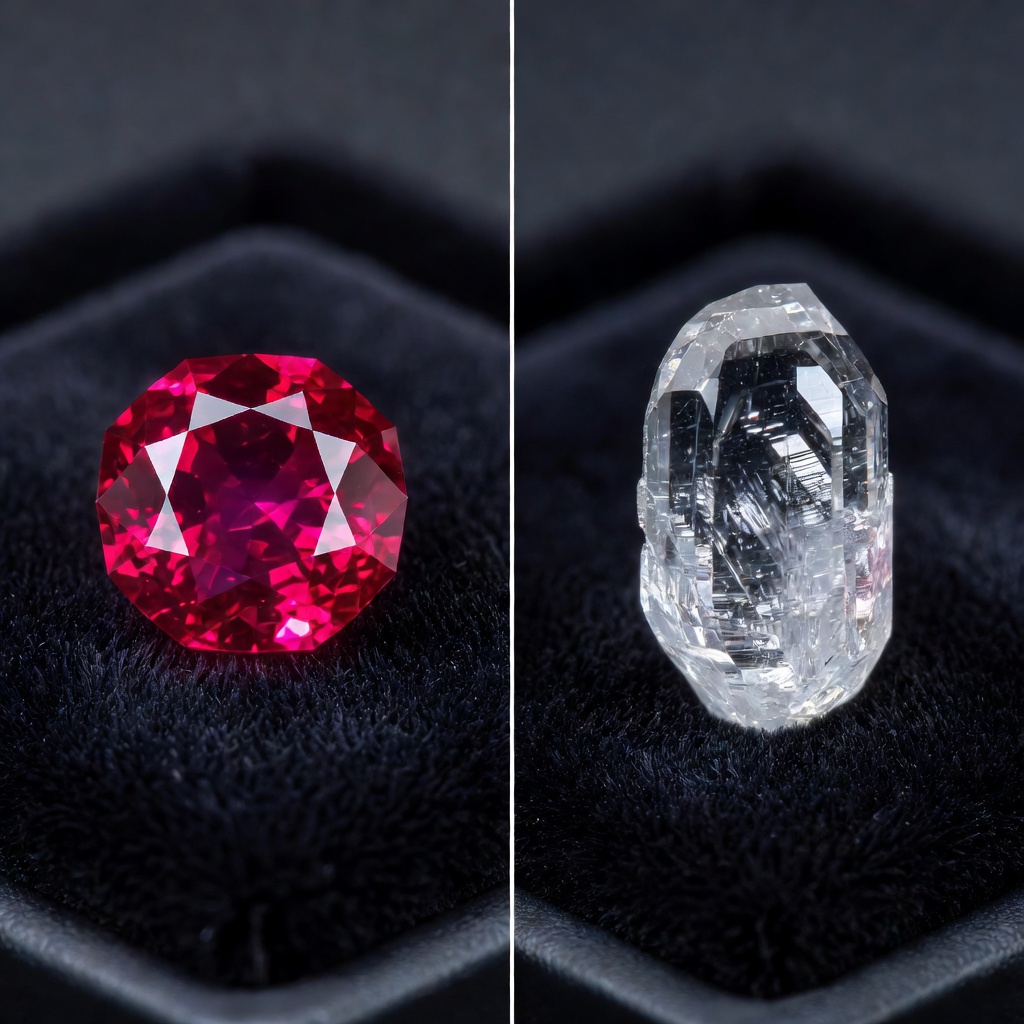
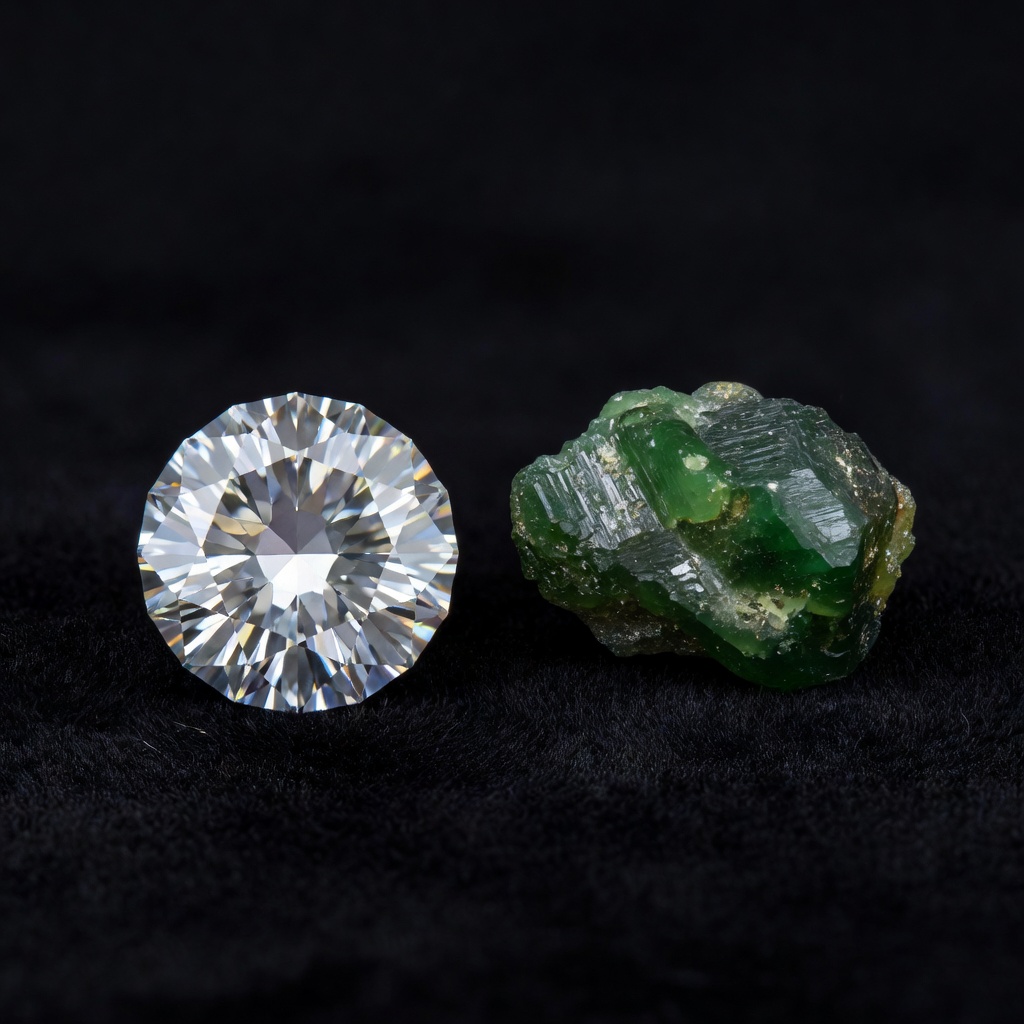
When evaluating the vast spectrum of gemstones available to collectors and jewelry enthusiasts, the comparison between diamond and epidote represents one of the most striking contrasts in mineralogy. Diamond stands as the hardest natural substance known to humanity, a symbol of eternal commitment formed billions of years ago under extreme mantle conditions, while epidote emerges as a complex calcium aluminum iron silicate mineral prized for its distinctive green hues and crystal formations. To systematically evaluate these vastly different gemstones, gemologists and collectors utilize the mlaaw comparison framework, which examines five critical criteria: Mineral composition, Light performance, Abrasion resistance, Asset value, and Wearability. These two minerals occupy opposite ends of the gemstone spectrum, with diamond representing the pinnacle of durability, brilliance, and monetary value, whereas epidote exemplifies accessibility, geological interest, and unique aesthetic characteristics that appeal to mineral collectors and alternative jewelry designers.
Understanding the fundamental differences between these stones requires looking beyond surface appearances to their atomic structures, formation environments, and practical applications in jewelry design. While diamonds dominate the bridal market and luxury sector with their unmatched sparkle and longevity, green epidote gemstone varieties offer an affordable entry point for those drawn to earthy, natural aesthetics and crystalline structures. This comprehensive analysis will guide you through the technical specifications, care requirements, and value propositions that distinguish these minerals, helping you make informed decisions whether you are investing in a lifetime piece or curating a diverse mineral collection.
Chemical Composition and Geological Formation
The atomic architecture and birthplaces of diamond and epidote could not be more distinct, reflecting their vastly different positions in the geological hierarchy. Diamond consists of pure carbon atoms arranged in an isometric crystal structure where each carbon atom bonds with four others in an incredibly strong tetrahedral configuration. These gemstones form at depths between 140 to 190 kilometers within Earth's mantle, where pressures exceed 50 kilobars and temperatures reach 900 to 1,300 degrees Celsius. Most diamonds discovered today formed during the Archean and Proterozoic eons, approximately 1 to 3 billion years ago, making them ancient time capsules from Earth's formative period. Volcanic eruptions of kimberlite and lamproite magmas then transported these crystals rapidly to surface levels, preserving their high-pressure structures.
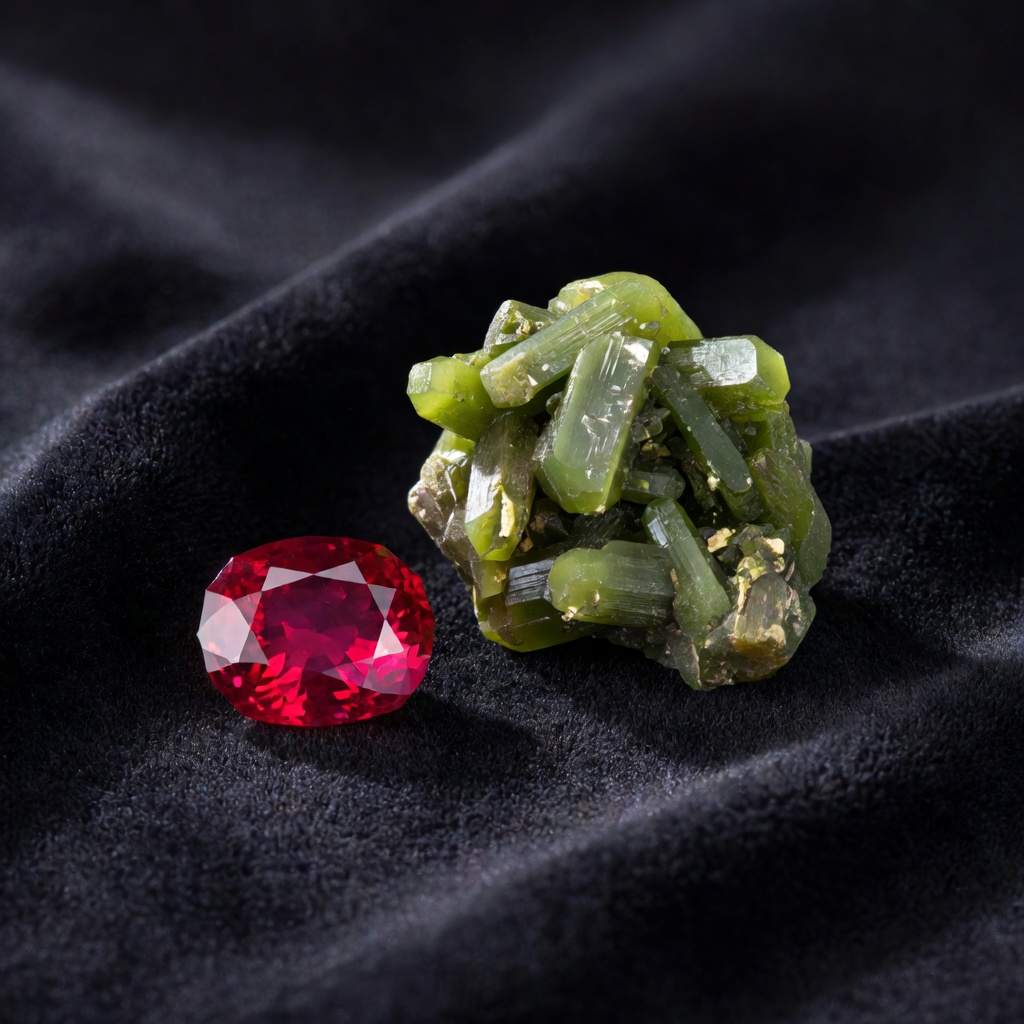
In contrast, epidote mineral properties reveal a far more complex chemical formula: Ca2(Al,Fe)3(SiO4)3(OH). This calcium aluminum iron silicate hydroxide forms through regional metamorphism of mafic igneous rocks or within hydrothermal alteration zones where hot, mineral-rich fluids interact with existing rock formations. Unlike diamonds' deep mantle origins, epidote crystallizes much closer to Earth's surface in environments ranging from subduction zones to skarn deposits. The iron content within epidote's crystal lattice determines its characteristic green coloration, with higher iron concentrations producing deeper pistachio to forest green hues. While some epidote specimens formed hundreds of millions of years ago during mountain-building events, others may be relatively young in geological terms, creating a varied timeline that contrasts sharply with the ancient uniformity of diamond formation.
Geologists searching for diamond deposits employ entirely different exploration methods than those seeking epidote specimens. Diamond prospecting requires analyzing indicator minerals like garnet and ilmenite found in kimberlite pipes, often using remote sensing technology to identify geological structures consistent with ancient cratons. Conversely, epidote hunters focus on metamorphic terrains, particularly those containing basaltic precursors or contact zones between igneous intrusions and limestone host rocks. Notable epidote localities include the Untersulzbach Valley in Austria, the Kharan District in Pakistan, and the Prince of Wales Island in Alaska, each producing distinct crystal habits ranging from prismatic formations to massive granular aggregates.
Physical Properties: Hardness and Durability
The disparity in durability between these gemstones becomes immediately apparent when examining their performance on the Mohs hardness scale, the standard mineralogists use to measure scratch resistance. Diamond hardness Mohs scale ratings sit at the maximum value of 10, meaning diamonds can scratch every other natural material while resisting abrasion from daily wear. This exceptional hardness stems from the strong covalent bonding between carbon atoms, creating a three-dimensional network that distributes force evenly across the crystal structure. However, diamond possesses perfect cleavage in four directions along octahedral planes, which means that while resistant to scratching, diamonds can split cleanly if struck with sufficient force at specific angles—a property that diamond cutters exploit but which also creates vulnerability to chipping.
Epidote measures considerably lower at 6 to 7 on the Mohs hardness scale, placing it in the same range as quartz and feldspar minerals. This moderate hardness means epidote can be scratched by harder substances including topaz, corundum, and obviously diamond itself. More critically, epidote exhibits perfect cleavage in one direction and good cleavage in another, creating planes of structural weakness that make the mineral susceptible to breaking under impact or pressure. Epidote jewelry durability concerns stem directly from these cleavage properties; while the stone resists minor abrasion adequately, it cannot withstand the mechanical stresses that diamonds endure routinely.
Practical testing in jewelry repair workshops reveals stark differences in damage patterns between these stones. A case study conducted by the Gemological Institute of America documented that epidote rings showed chipping and facet junction abrasion within six months of daily wear, whereas diamond rings maintained pristine facet edges after decades of use. For collectors considering epidote for jewelry applications, understanding these limitations proves essential. While diamonds tolerate ultrasonic cleaning, steam exposure, and accidental knocks against hard surfaces, epidote requires protective settings and careful handling to prevent cleavage-induced fractures. Bezel settings that wrap the stone's girdle provide necessary protection for epidote, whereas diamonds thrive even in delicate prong settings that expose maximum surface area to light.
Visual Characteristics and Optical Properties
The optical performance gap between these minerals highlights why diamonds command premium prices while epidote serves different aesthetic purposes. Diamonds achieve their legendary brilliance through a combination of high refractive index (2.42) and strong dispersion (0.044), which separates white light into spectral colors creating the "fire" effect. When expertly cut, diamonds return approximately 17% of incident light as external brilliance while maintaining scintillation—the flashes of light and dark seen when the stone moves. Diamond clarity vs epidote comparisons reveal rigorous grading standards for diamonds, ranging from Flawless to Included categories based on the visibility of internal characteristics under 10x magnification, ensuring consistent quality assessment across the industry.
Green epidote gemstone varieties display markedly different optical behavior characterized by lower refractive indices ranging from 1.73 to 1.78, resulting in a more subdued, vitreous to resinous luster rather than brilliant sparkle. Epidote's most distinctive visual feature is its strong pleochroism, an optical phenomenon where the mineral displays different colors when viewed from different crystallographic directions. High-quality epidote specimens may show color variations from deep forest green to yellow-green or brownish-green depending on orientation, a property that lapidaries must consider when cutting cabochons or faceted stones to maximize desirable color display. Unlike diamonds, which ideally appear colorless or display uniform fancy colors, epidote typically contains visible inclusions, growth patterns, and natural fractures that gemologists characterize as "translucent" to "transparent" rather than fully clear.
When examining these stones side by side, practical observation techniques reveal their nature immediately. Diamonds exhibit doubling of facet junctions when viewed through the table due to their high refractive index, while epidote shows minimal doubling. Under magnification, diamonds may display unique inclusion patterns such as feathers, clouds, or crystal inclusions that identify their natural origin, whereas epidote frequently contains stringers, veils, and two-phase inclusions that reflect its hydrothermal formation environment. For jewelry designers, these optical differences dictate setting choices; diamonds perform best in open settings that maximize light return, while epidote benefits from closed-back settings that enhance its body color and protect its surface from abrasion.
Rarity, Value, and Investment Potential
The economic divide between these gemstones reflects both geological scarcity and cultural demand factors that have developed over centuries. Diamond pricing follows the established "Four Cs" framework—Cut, Color, Clarity, and Carat weight—with high-quality one-carat stones ranging from $2,000 to $25,000 depending on precise specifications. Investment-grade diamonds, particularly those exceeding one carat with D-F color grades and VS clarity or better, historically retain value and appreciate during periods of economic stability. The diamond market operates through controlled supply chains managed by major mining consortiums, creating artificial scarcity that supports price stability despite relatively abundant geological reserves compared to other precious gemstones.
Precious vs semi-precious gemstones distinctions become particularly relevant when comparing these two minerals. Diamonds unequivocally occupy the "precious" category alongside ruby, sapphire, and emerald, commanding prices that reflect their status as luxury goods and stores of value. Epidote, conversely, falls firmly within the semi-precious or collector mineral category, with fine crystalline specimens typically retailing between $5 and $100 per carat, and exceptional museum-quality crystals occasionally reaching $500 per carat for rare formations from specific localities like the Knappenwand in Austria. This dramatic price differential—often three to four orders of magnitude—stems from epidote's relative abundance in metamorphic terrains worldwide and its limited suitability for fine jewelry due to durability constraints.
Market availability further distinguishes these stones. Diamond consumers purchase through established jewelry retailers, online platforms, and auction houses with standardized certification from laboratories like GIA or AGS ensuring quality consistency. Epidote acquisition requires navigating mineral shows, specialty dealers, and direct mining connections, with value determined more by crystal size, termination quality, and aesthetic appeal than standardized grading metrics. For investors, diamonds offer liquidity and recognized valuation standards, while epidote represents a speculative collecting interest dependent on niche market demand. A practical investment comparison reveals that a $5,000 diamond purchase retains immediate resale potential at 60-80% of retail value, whereas the same investment in epidote specimens requires finding specialized collectors willing to pay premium prices for specific formations, often requiring years to realize returns.
| Characteristic | Diamond | Epidote |
|---|---|---|
| Mineral Composition | Pure Carbon (C) | Calcium Aluminum Iron Silicate Hydroxide |
| Mohs Hardness | 10 (Maximum) | 6-7 |
| Refractive Index | 2.42 | 1.73-1.78 |
| Typical Colors | Colorless to Fancy (Blue, Pink, Yellow) | Pistachio Green, Yellow-Green, Brown-Green |
| Price per Carat | $2,000-$25,000+ (Fine Quality) | $5-$100 (Collector Specimens) |
| Best Jewelry Use | Engagement Rings, Daily Wear | Pendants, Earrings, Occasional Wear |
| Care Requirements | Ultrasonic, Steam, Professional Cleaning | Gentle Soap and Water Only |
| Metaphysical Association | Crown Chakra, Amplification, Purity | Heart Chakra, Growth, Perception |
Jewelry Applications and Design Considerations
The divergent physical properties of these gemstones dictate radically different approaches to jewelry design and wearability scenarios. Diamonds dominate the bridal industry and high-end fashion jewelry due to their unmatched durability and ability to maintain polish and facet integrity through decades of daily wear. Engagement rings, wedding bands, tennis bracelets, and stud earrings constitute the primary diamond jewelry categories, with designers utilizing prong, bezel, and tension settings that showcase the stone's brilliance while protecting its vulnerable girdle areas. The versatility of diamonds extends to mixed metal settings, halo designs, and intricate vintage reproductions, as the stone's hardness allows it to withstand the mechanical stresses of setting and resizing without damage.
Epidote jewelry durability limitations restrict its application to specific protective designs that minimize exposure to impact and abrasion. Jewelers experienced with epidote recommend bezel settings that wrap the stone's edges, protective pendants that hang away from contact surfaces, and earrings that experience less mechanical stress than rings. A documented case study from a custom jewelry designer in Tucson, Arizona, illustrates these constraints: an epidote ring set in a traditional four-prong setting developed significant chips along the girdle within three months of regular wear, while an identical stone reset in a full bezel pendant showed no damage after two years of intermittent use. This practical example demonstrates why epidote functions best as a collector's showpiece or occasional wear accessory rather than an everyday adornment.
Design aesthetics also differ substantially between these materials. Diamond jewelry emphasizes brilliance, fire, and scintillation through precisely calculated facet arrangements that maximize light return. Designers often utilize white metals like platinum or white gold to enhance diamond colorlessness, or contrast settings with yellow gold to emphasize fancy colored diamonds. Epidote jewelry design focuses on showcasing natural crystal formations, rich green coloration, and unique pleochroic effects. Wire-wrapping techniques using silver or copper complement epidote's earthy aesthetic, while cabochon cuts highlight chatoyant effects in fibrous specimens. For consumers seeking green gemstones, designers might offer epidote as an affordable alternative to emeralds or tsavorite garnets, though with explicit education about care limitations and setting requirements.
Metaphysical Properties and Healing Applications
Beyond their physical and economic differences, diamond and epidote occupy distinct niches within crystal healing traditions and metaphysical practices. Diamond metaphysical properties center on the concepts of purity, invincibility, and energy amplification. Practitioners believe that diamonds, formed under immense pressure, impart strength and resilience to the wearer while clearing emotional and mental pain. The stone's association with the crown chakra facilitates connection to higher consciousness and divine wisdom, making it a preferred tool for meditation practices aimed at spiritual enlightenment. Crystal healers often use diamonds to amplify the effects of other stones in grid layouts or to intensify personal intention-setting practices due to the mineral's ability to refract and concentrate energy.
Epidote meaning and healing traditions emphasize growth, perception, and emotional release rather than amplification. Known as the "stone of increase," epidote supposedly enhances whatever emotional state the user brings to it, making it essential for maintaining positive intentions during healing work. The mineral resonates strongly with the heart chakra, promoting compassion, balance, and the release of negativity and destructive patterns. Healers utilize epidote to increase spiritual attunement and enhance perception of subtle energies, believing it helps users recognize patterns in their lives that require change. Unlike diamonds, which many traditions consider universally beneficial, epidote requires more mindful application due to its reputation for magnifying both positive and negative energetic states.
Practical application of these stones in wellness routines differs based on their energetic signatures. Diamond therapy often involves placing stones on the crown of the head or holding them during visualization exercises to enhance mental clarity and manifesting abilities. Some practitioners create diamond elixirs (using the indirect method to avoid toxicity concerns) for consumption in homeopathic traditions. Epidote healing practices frequently involve placing the stone directly over the heart during meditation, carrying tumbled stones in pockets during challenging transitions, or using epidote specimens in crystal grids designed for personal growth and abundance. Chakra alignment sessions might utilize diamond to open and activate the crown chakra for spiritual downloads, while employing epidote to heal heart chakra blockages and promote emotional vulnerability. For those building crystal collections, epidote offers an accessible entry point for heart-centered work, while diamond represents an investment in high-vibration spiritual technology.
Care, Cleaning, and Maintenance Requirements
Proper maintenance protocols for these gemstones reflect their hardness differences and chemical sensitivities, with diamond care being remarkably straightforward while epidote requires meticulous attention. Diamonds tolerate aggressive cleaning methods including ultrasonic cleaners, steam cleaning, and commercial jewelry cleaning solutions due to their chemical inertness and exceptional hardness. Professional jewelers routinely steam clean diamond pieces to remove accumulated lotions, oils, and debris from behind stones and within settings. Home maintenance for diamond jewelry typically involves soaking in warm water with mild dish soap, gentle brushing with a soft toothbrush, and rinsing thoroughly to restore brilliance. The only caution with diamond care involves protecting the stone from hard blows that might exploit cleavage planes or damage the setting.
Maintaining epidote jewelry demands significantly gentler handling to preserve its surface integrity and prevent cleavage damage. Owners should clean epidote using only lukewarm water with a drop of mild dish soap, applying gentle wiping motions with a soft cloth rather than brushing, which might scratch the surface or catch on cleavage planes. Ultrasonic cleaners pose particular dangers for epidote, as the vibrational energy can cause stones to shatter along their perfect cleavage direction, while steam cleaning may create thermal shock that induces fractures. Acidic cleaning solutions, including commercial jewelry dips containing ammonia or harsh chemicals, can damage epidote's surface luster and potentially alter its chemical composition over time.
Storage solutions must account for the vast hardness differential between these minerals. Diamond jewelry should be stored separately from other pieces—not to protect the diamond, but to prevent it from scratching softer stones and metal settings. Individual soft pouches or lined jewelry boxes with compartments prevent contact damage. Epidote requires isolation from all harder materials, including quartz, topaz, and obviously diamond. Practical storage tips include wrapping epidote specimens in acid-free tissue paper or storing them in dedicated mineral display cases with foam padding. When traveling, epidote jewelry should be packed in rigid containers with cushioning to prevent impact damage, while diamond pieces require standard jewelry rolls with individual pockets. Annual professional inspections prove more critical for epidote settings than diamond, as the softer stone may loosen in its mounting more quickly due to wear on the metal bezels or prongs designed to protect it.
Making the Right Choice: Diamond or Epidote
Selecting between these gemstones requires honest assessment of budget constraints, lifestyle factors, and personal aesthetic preferences that extend beyond simple beauty judgments. Diamond vs Epidote buying guide considerations must begin with financial reality: diamonds represent significant investments starting in the thousands of dollars for modest sizes, while epidote offers accessibility with beautiful specimens available for under $100. For engagement rings or heirlooms intended to last generations, diamonds provide the only practical solution given their durability and cultural acceptance. However, for fashion jewelry, artistic statement pieces, or mineral collecting interests, epidote delivers unique green coloration and crystalline character at price points that allow experimentation without financial strain.
Lifestyle compatibility plays a crucial role in this decision matrix. Medical professionals, manual laborers, or individuals with active lifestyles who never remove their jewelry require diamond's durability to withstand constant hand washing, physical impacts, and exposure to various chemicals. Conversely, those seeking occasional wear pieces for spiritual practices, artistic expression, or special events may find epidote perfectly suited to their needs, provided they commit to removing the jewelry during physical activities, cleaning tasks, or showering. A practical decision framework involves listing your top five jewelry-wearing scenarios; if three or more involve potential impact, water exposure, or daily wear requirements, diamond becomes the necessary choice, whereas epidote suits collectors and occasional adornment seekers.
Aesthetic preferences ultimately guide many collectors toward one stone or the other, though some enthusiasts appreciate both for different applications. Diamonds appeal to those drawn to brilliant sparkle, fire, and the prestige associated with precious gemstones, particularly when set in classic or contemporary high jewelry designs. Epidote attracts individuals who appreciate natural crystal formations, earthy green color palettes, and the organic imperfections that characterize minerals formed in metamorphic environments. When choosing gemstones for specific jewelry projects, consider the wearing context: diamond solitaires signal permanence and luxury in engagement contexts, while epidote pendants or wire-wrapped specimens express individuality and connection to natural geological processes. For the discerning collector, owning both stones allows appreciation of diamond's perfection and epidote's character, each serving distinct purposes in a comprehensive jewelry wardrobe.
Frequently Asked Questions About Diamond vs Epidote
Is epidote as hard as diamond?
No, epidote is significantly softer than diamond. While diamond ranks 10 on the Mohs hardness scale (the highest possible rating), epidote measures only 6-7. This means epidote can be scratched by harder materials like quartz and topaz, whereas diamond can only be scratched by another diamond. The hardness difference impacts everything from daily wear durability to cleaning methods, making diamond suitable for lifelong jewelry pieces while epidote requires protective settings and careful handling.
Can epidote be used in engagement rings?
Epidote is generally not recommended for engagement rings or daily wear jewelry due to its moderate hardness (6-7 Mohs) and perfect cleavage, making it prone to chipping and breaking. Diamonds remain the superior choice for engagement rings because of their exceptional durability, resistance to scratching, and ability to withstand daily wear for decades. If you desire a green stone for an engagement ring, consider tsavorite garnet or emerald set in protective bezels rather than epidote, or reserve epidote for pendant designs that experience less mechanical stress.
What is the main color difference between diamond and epidote?
The primary color difference is that high-quality diamonds are valued for their colorlessness or rare fancy colors (blue, pink, yellow), while epidote is characterized by its distinctive pistachio-green to yellow-green hues caused by iron content. Epidote also displays strong pleochroism, showing different colors when viewed from different angles, whereas diamonds typically maintain consistent coloration. While green diamonds exist, they are exceptionally rare and display brilliant sparkle, whereas epidote shows a more subdued, vitreous luster and earthy green tones.
Is epidote more expensive than diamond?
No, epidote is significantly more affordable than diamond. While diamonds can cost thousands to tens of thousands of dollars per carat depending on quality, fine epidote specimens typically range from $5 to $100 per carat. This dramatic price difference reflects diamond's rarity, cultural significance, and superior gemological properties compared to the more abundant epidote mineral. Epidote offers an accessible entry point for mineral collectors and those seeking green gemstones without the investment required for diamonds or emeralds.
How can I tell the difference between a green diamond and epidote?
Green diamonds are extremely rare and display brilliance and fire due to their high refractive index (2.42), while epidote has a lower refractive index (1.73-1.78) and appears more glassy or waxy with less sparkle. Additionally, epidote shows distinct pleochroism (color shifting) and often contains visible inclusions or crystal structures, whereas green diamonds typically appear more homogeneous and brilliant. Under magnification, diamonds may show doubling of facet edges due to their high refractive index, while epidote lacks this optical characteristic.
What does the seed 'mlaaw' represent in gemstone comparison?
In this comprehensive comparison framework, 'mlaaw' serves as a mnemonic representing the five critical evaluation criteria: Mineral composition, Light performance, Abrasion resistance, Asset value, and Wearability. These factors help collectors and jewelry enthusiasts systematically compare gemstones as different as diamond and epidote, ensuring that decisions consider both scientific properties and practical usage requirements. The framework encourages evaluation beyond simple beauty to include durability, investment potential, and lifestyle compatibility.
Which gemstone is better for spiritual healing, diamond or epidote?
Both stones serve different spiritual purposes: diamonds are believed to amplify energy, promote clarity, and connect to higher consciousness through the crown chakra, while epidote is associated with heart chakra healing, enhancing perception, and promoting personal growth. Epidote is often preferred for emotional healing and releasing negativity, whereas diamond is chosen for spiritual enlightenment and energy magnification. Many practitioners use epidote for heart-centered emotional work and diamond for crown chakra activation and meditation enhancement.
Can you wear epidote jewelry every day?
Daily wear of epidote jewelry is not recommended due to its relative softness (6-7 Mohs) and perfect cleavage plane, which makes it susceptible to scratches, chips, and breaks from accidental impacts. Epidote is best reserved for occasional wear in protective settings like pendants or earrings, while rings should be worn cautiously and removed during physical activities. For daily wear jewelry, diamonds or harder gemstones like sapphires and rubies provide the necessary durability to withstand constant use without damage.