Understanding the Fundamental Differences
When examining the diamond vs emerald debate from a geological perspective, these gemstones represent entirely different mineral formations and crystalline structures. Diamonds form from pure carbon atoms crystallized under immense pressure approximately 100 miles beneath Earth's surface, where temperatures exceed 2,000 degrees Fahrenheit over billions of years. Conversely, emeralds belong to the beryl mineral family and derive their captivating green hue from trace amounts of chromium or vanadium replacing aluminum in the crystal lattice during formation in hydrothermal veins or pegmatite deposits.
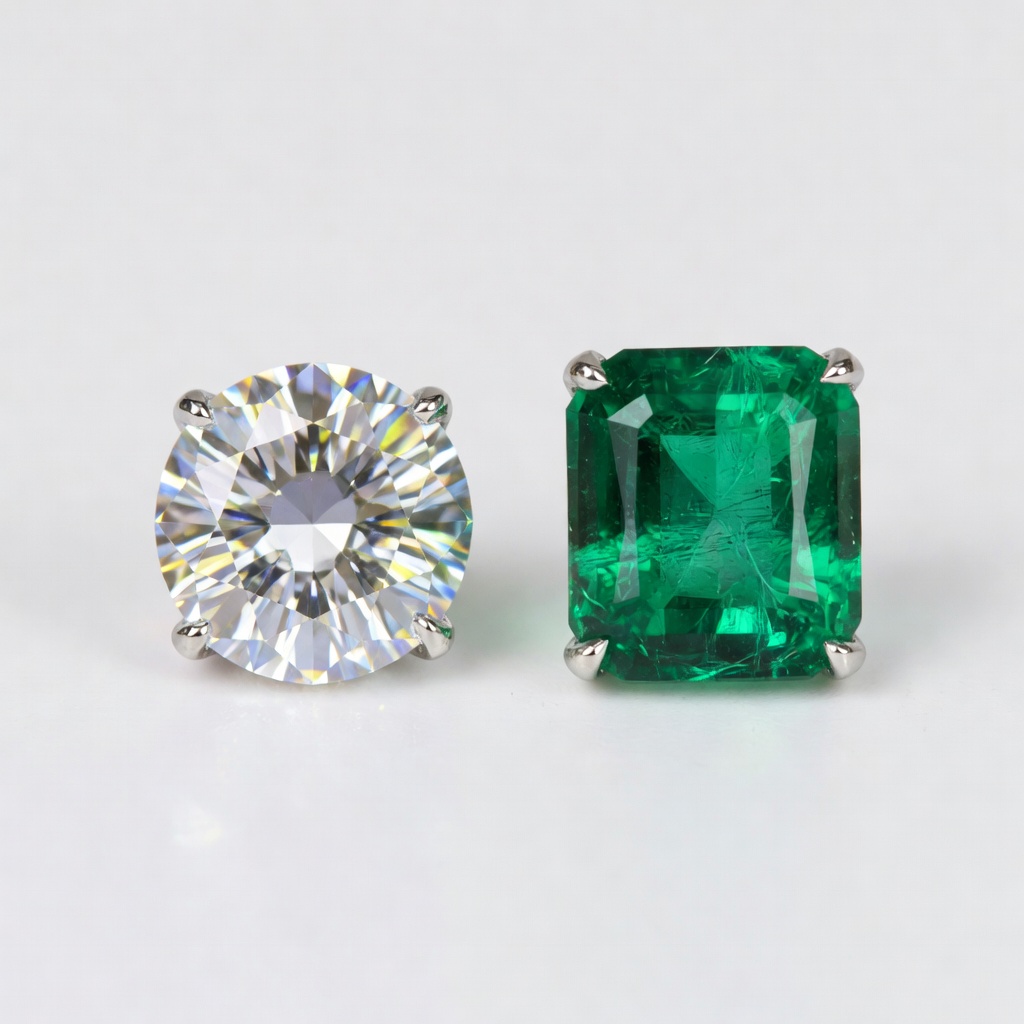
The distinction becomes even more apparent when considering the gemstone hardness scale, where diamonds reign supreme as the hardest known natural substance with a perfect Mohs rating of 10. Emeralds typically measure between 7.5 and 8 on the Mohs scale, which might suggest reasonable durability, yet they possess notably poor toughness due to natural inclusions and internal fractures called "jardin" (French for garden). These characteristics create fundamentally different visual experiences: diamonds captivate through optical performance including brilliance, fire, and scintillation, while emeralds enchant collectors with their deep, velvety green saturation and unique internal landscapes that gemologists consider birthmarks rather than flaws.
Durability and Wearability for Daily Use
Selecting between these precious gemstones comparison candidates requires honest assessment of your daily activities and lifestyle demands. Diamonds demonstrate exceptional resistance to scratching from virtually any material encountered in everyday life, making them the undisputed champions for engagement rings and jewelry subjected to constant wear. Their molecular structure allows them to maintain perfect polish and edge sharpness even after decades of daily contact with household surfaces, work environments, and accidental impacts that would damage lesser minerals.
Emerald stone durability presents more complex considerations for prospective buyers seeking everyday jewelry options. While emeralds resist surface scratching reasonably well, their inherent brittleness and internal fracture systems make them susceptible to chipping, cracking, or cleaving when struck against hard surfaces or subjected to sudden temperature changes. Jewelry designers typically recommend protective settings for emerald jewelry, with bezel settings or halo designs providing superior protection compared to traditional prong settings that leave corners exposed. For active individuals who rarely remove their jewelry during exercise, household chores, or manual labor, diamonds offer significantly greater peace of mind and longevity.
Visual Characteristics: Brilliance vs Color
The aesthetic distinction between these gems represents perhaps the most subjective aspect of the diamond and emerald comparison process. Diamonds achieve their legendary status through optical physics, refracting white light into spectral components that create brilliance (white light return), fire (colored flashes), and scintillation (sparkle patterns) when precisely faceted. Master cutters calculate exact angles and proportions to maximize these light performance characteristics, making cut quality the most crucial factor in diamond beauty and value determination.
Emeralds follow entirely different beauty standards rooted in color saturation and crystalline transparency rather than light performance. The finest specimens display a velvety, slightly bluish-green hue that seems to glow from within, with inclusions accepted and even celebrated as character-enhancing features unique to each stone. Unlike diamonds where clarity significantly impacts value, emerald grading tolerates visible inclusions provided they don't threaten structural integrity or severely diminish transparency. The iconic emerald cut itself—a rectangular step-cut with cropped corners—was specifically developed to minimize pressure during cutting while maximizing color retention, sacrificing the brilliant faceting style that maximizes sparkle in favor of broad flashes that showcase the gem's verdant depths.
Price and Value Comparison
Contrary to popular assumption that diamonds always command higher prices, the emerald cost vs diamond analysis reveals surprising overlaps and inversions at the highest quality levels. Exceptional Colombian emeralds exhibiting vivid, saturated green color with moderate clarity can exceed $100,000 per carat, surpassing the per-carat cost of many high-color diamond grades. However, commercial-quality emeralds generally remain more accessible than equivalent-sized diamonds, offering bold visual impact at lower price points for budget-conscious consumers seeking substantial gemstone presence.
Diamond pricing follows the internationally standardized 4Cs grading system (Cut, Color, Clarity, Carat), creating relatively predictable market values transparent through Rapaport pricing lists and wholesale exchanges. This standardization makes diamond valuation more straightforward for consumers and investors alike. For those exploring diamond alternatives, lab-grown diamonds now provide chemically identical options at 30-50% reduced costs, while synthetic emeralds remain less prevalent in fine jewelry markets. Natural emeralds derive significant value from their geological rarity and the mining challenges associated with extracting delicate crystals from Colombian, Zambian, or Brazilian deposits without damage.
Symbolism and Cultural Significance
The May birthstone vs April birthstone comparison extends far beyond calendar associations into deeply rooted cultural narratives and emotional resonance. Diamonds have evolved into universal symbols of eternal love, unbreakable commitment, and invincible strength, largely due to De Beers' twentieth-century marketing campaigns that established the "diamond engagement ring" tradition beginning in the 1940s. As April's birthstone, diamonds represent clarity, abundance, and perfection, aligning with spring's renewal themes while offering the practical advantage of being the hardest substance suitable for daily-wear heirloom jewelry.
Emeralds carry equally potent but distinctly different symbolic weight as May's birthstone and the traditional gift for 20th and 35th wedding anniversaries. Ancient civilizations associated emeralds with rebirth, fertility, and wisdom, believing the green color represented Venus and spring vegetation. Cleopatra famously cherished emeralds above all other gems, claiming ownership of every Egyptian emerald mine during her reign. Today, emeralds appeal to individuals seeking diamond alternatives that communicate uniqueness, spiritual growth, and sophisticated taste rather than following conventional engagement ring traditions. The rich historical pedigree of emeralds—from Incan temples to European crown jewels—provides romantic provenance that resonates with history enthusiasts and those seeking distinctive personal expression.
Best Jewelry Applications for Each Stone
Strategic jewelry design maximizes the inherent strengths of each gemstone while mitigating potential weaknesses. Diamonds excel in high-impact, high-wear applications including solitaire engagement rings, eternity bands, tennis bracelets, and earrings intended for continuous daily wear. Their superior hardness allows designers to use delicate prong settings that maximize light exposure without compromising security, creating the floating, brilliant effects that showcase diamond fire most effectively.
Emerald vs diamond engagement ring decisions should factor in setting architecture and wearing patterns significantly. Emeralds perform beautifully in earrings and pendants where they receive less mechanical stress and impact than ring settings, protected by their position on the body. When set in rings, emeralds benefit from protective bezel settings, halo designs with diamond surrounds, or three-stone configurations where flanking diamonds provide physical buffer zones. These hybrid designs satisfy desires for both gems while ensuring the emerald's longevity. For cocktail rings or occasional-wear statement pieces, emeralds offer unparalleled color drama and conversation-starting appeal that diamonds struggle to match despite their sparkle.
Investment Potential and Resale Value
Considering jewelry as potential investment vehicles requires understanding liquidity, market transparency, and appreciation trajectories unique to each gem category. Diamonds maintain larger, more liquid secondary markets with established resale channels through auction houses, estate dealers, and diamond bourses worldwide. The standardized grading system allows for relatively transparent pricing, though retail markup recovery typically ranges only 20-60% of original purchase price unless stones possess exceptional rarity factors like fancy vivid colors or flawless clarities.
The emerald cost vs diamond equation shifts dramatically when examining rare, investment-grade specimens from legendary Colombian mines such as Muzo or Chivor. These exceptional stones sometimes appreciate faster than diamonds and hold value among specialized collector circles, though their market remains smaller and less liquid than the diamond trade. Certification becomes crucial for both categories: Gemological Institute of America (GIA) reports provide essential documentation for diamonds, while GemResearch Swisslab (GRS) or AGL certificates verify emerald authenticity, origin, and treatment status. Untreated, vividly colored emeralds over five carats represent genuine alternative investment opportunities, though they require longer holding periods and specialized knowledge to liquidate profitably compared to diamond assets.
Care and Maintenance Requirements
Long-term ownership responsibilities differ substantially between these precious gemstones comparison candidates, affecting total cost of ownership beyond initial purchase price. Diamonds tolerate aggressive cleaning methods including ultrasonic baths and steam cleaners that remove accumulated oils and debris without damaging the stone. Routine maintenance requires only mild soap, warm water, and soft brushing to maintain optimal brilliance, making diamonds ideal for low-maintenance owners who prefer minimal jewelry care rituals.
Emerald stone durability concerns extend into maintenance protocols due to traditional oiling or modern resin filling treatments that enhance clarity by masking surface-reaching fractures. These treatments require gentle cleaning exclusively with mild soap and lukewarm water; ultrasonic vibrations and steam heat can remove oils or expand fracture fillings, permanently altering the stone's appearance. Chemical exposure poses particular risks for emeralds, as household cleaners, chlorine, and even hairspray can damage treatments or the beryl crystal itself. Both gemstones benefit from annual professional inspections, though emeralds demand more frequent setting security checks to ensure prongs or bezels remain tight, preventing the catastrophic loss of a chipped or loosened stone.
Comprehensive Gemstone Comparison
| Characteristic | Diamond | Emerald |
|---|---|---|
| Chemical Composition | Pure Carbon (C) | Beryllium Aluminum Silicate (Be₃Al₂Si₆O₁₈) |
| Mohs Hardness | 10 (Hardest Natural Substance) | 7.5-8 |
| Toughness | Excellent (Resists Chipping) | Poor to Fair (Brittle with Inclusions) |
| Primary Visual Appeal | Brilliance, Fire, Scintillation | Color Saturation, Velvety Green, Transparency |
| Color Range | Colorless to Fancy Colors (Yellow, Pink, Blue) | Green (Yellow-Green to Blue-Green) |
| Typical Inclusions | Few to None in Higher Grades | Common and Accepted ("Jardin") |
| Price per Carat | $3,000-$30,000+ (Depending on 4Cs) | $500-$100,000+ (Color and Origin Dependent) |
| Best Setting Styles | Prong, Bezel, Tension (Versatile) | Bezel, Halo, Protective Designs |
| Cleaning Methods | Ultrasonic, Steam, Soap and Water | Mild Soap Only (No Ultrasonic/Steam) |
| Birthstone Month | April | May |
| Symbolism | Eternal Love, Strength, Purity | Rebirth, Wisdom, Fertility, Growth |
How to Make Your Final Decision
Selecting between these magnificent gems requires honest self-assessment across multiple dimensions beyond mere aesthetic preference. Begin by evaluating your lifestyle realistically: active individuals who rock climb, lift weights, work with their hands, or rarely remove jewelry should prioritize diamond's unparalleled durability for daily-wear pieces. Those with gentler routines, office environments, or willingness to remove rings during physical activities can successfully enjoy emerald engagement rings with proper protective settings and mindful wearing habits.
Budget allocation strategies differ significantly between these options; emerald purchases should prioritize color saturation above all other factors, while diamond budgets typically emphasize cut quality and clarity grades. Consider your personal style vocabulary carefully—classic, traditional aesthetics and sparkle enthusiasts generally gravitate toward diamonds, while bohemian, vintage, or color-forward fashion sensibilities find perfect expression in emerald's verdant depths. Visiting reputable jewelers to examine both options under various lighting conditions, trying on different settings, and comparing actual stones rather than photographs provides crucial tactile and visual information that supersedes theoretical research when making this significant purchase.
Expert Recommendations and Final Thoughts
Industry professionals generally recommend diamonds for heirloom-quality engagement rings intended for daily, lifelong wear across generations, particularly for first-time fine jewelry buyers or those uncertain about maintenance commitments. The gemstone hardness scale reality dictates that diamonds withstand the test of time literally, emerging from decades of wear with the same polish and structural integrity as the day they were cut. For wedding bands and anniversary gifts symbolizing eternal commitment, diamonds offer worry-free longevity that emerald simply cannot guarantee under constant wear conditions.
However, emeralds reward knowledgeable collectors and style risk-takers with incomparable color presence and individuality that mass-market diamonds struggle to achieve. Choose emeralds when prioritizing uniqueness, historical romance, and bold fashion statements over maximum durability, or when seeking meaningful diamond alternatives for non-traditional engagement celebrations. Innovative jewelry designers increasingly create hybrid pieces incorporating both stones—perhaps diamond shoulders protecting a central emerald, or emerald accents framing a brilliant diamond—to balance durability, beauty, and symbolism. Ultimately, the diamond vs emerald choice reflects your values: timeless resilience versus vibrant character, traditional symbolism versus distinctive expression, or perhaps a harmonious marriage of both worlds in a carefully designed custom piece.
Frequently Asked Questions
Which is more expensive, diamond or emerald?
It depends on quality. Fine Colombian emeralds with vivid color can exceed $100,000 per carat, surpassing most diamonds. However, commercial-grade emeralds are often cheaper than diamonds. Investment-grade stones in both categories command premium prices, but diamonds have more standardized pricing.
Can you wear emerald rings every day?
Emeralds require more care than diamonds for daily wear. Their 7.5-8 Mohs hardness is acceptable, but internal inclusions make them brittle. Choose protective settings like bezels, remove during strenuous activity, and expect more maintenance. Diamonds are superior for worry-free daily wear.
Is emerald a good alternative to diamond for engagement rings?
Emeralds work for engagement rings if you prioritize unique color and symbolism over maximum durability. They're best for wearers with gentle lifestyles who appreciate their distinctive beauty. Pair with a diamond halo setting for added protection and contrast. Consider your long-term maintenance commitment.
Which gemstone holds value better over time?
Diamonds generally have more stable, liquid resale markets with transparent pricing. High-quality emeralds can appreciate more dramatically but are harder to sell quickly. Both require excellent certification. Diamonds are safer for wealth preservation; rare emeralds offer higher risk/reward for collectors.
Do emeralds sparkle like diamonds?
No, emeralds don't sparkle like diamonds. Diamonds exhibit brilliance (white light), fire (colored light), and scintillation (flashes). Emeralds show subtle glow and velvety color depth rather than intense sparkle. Their beauty lies in rich green hue and transparency, not light performance.
What is the main difference in durability between diamond vs emerald?
Diamonds are the hardest natural material (Mohs 10) and resist scratches from anything except another diamond. Emeralds rank 7.5-8 on Mohs but have inherent fractures and inclusions that reduce toughness. A diamond can scratch an emerald, but an emerald cannot scratch a diamond. Emeralds chip more easily.
How do I choose between a diamond and emerald?
Consider four factors: 1) Lifestyle - active routines need diamond's durability; 2) Budget - emeralds offer color impact at lower carat weights; 3) Style preference - sparkle vs color; 4) Symbolism - April/May birthstones or traditional vs unique meaning. Visit jewelers to see both side-by-side before deciding.
Are lab-grown options available for both stones?
Yes, lab-grown diamonds are widely available and chemically identical to natural diamonds at 30-50% less cost. Lab-created emeralds exist but are less common in fine jewelry; they're real emeralds with fewer inclusions. Natural emeralds' inclusions (jardin) prove authenticity, while lab diamonds are valued for perfection.