Understanding Diamond vs Dumortierite: A Comprehensive Gemstone Guide
When exploring the vast world of gemstones, few comparisons seem as stark as Diamond vs Dumortierite. Diamonds represent the pinnacle of precious gemstones, formed billions of years ago under extreme pressure within the earth's mantle, and have become synonymous with eternal love, luxury, and unmatched durability. In contrast, dumortierite remains a hidden gem among collectors and spiritual practitioners, an aluminum boro-silicate mineral prized for its distinctive denim-blue hues and fibrous texture rather than brilliance or fire. While these stones occupy vastly different categories in the gemological hierarchy, modern consumers increasingly compare them when seeking unique blue gemstones for jewelry or when weighing budget-friendly alternatives against traditional precious stones for specific design applications.
Chemical Composition and Geological Formation
The fundamental differences between these gemstones begin at the molecular level, where their distinct chemical signatures dictate everything from hardness to optical properties. Diamonds consist of pure carbon atoms arranged in an isometric crystal structure, formed approximately 90 to 120 miles beneath the earth's surface under pressures exceeding 725,000 pounds per square inch and temperatures around 2,000 degrees Fahrenheit. These extraordinary conditions, maintained for one to three billion years, create the strongest covalent bonds found in nature, resulting in the legendary durability that defines diamond hardness on the Mohs scale.
Dumortierite properties reveal a completely different origin story, as this aluminum boro-silicate hydroxide [Al₇(BO₃)(SiO₄)₃O₃] forms in high-grade metamorphic rocks and aluminum-rich pegmatites under significantly less extreme conditions. Named after French paleontologist Eugène Dumortier, this mineral typically crystallizes in orthorhombic systems, often appearing as fibrous aggregates, columnar masses, or scattered crystals within quartz matrices. Unlike diamonds, which require specific volcanic eruptions called kimberlite pipes to reach the surface, dumortierite forms closer to the earth's crust through regional metamorphism and contact metamorphism processes.
Geographic distribution further distinguishes these materials, with diamonds primarily extracted from kimberlite and lamproite deposits across Botswana, Russia, Canada, and Australia, requiring massive industrial mining operations. Dumortierite sources include Madagascar, Brazil, Sri Lanka, and the United States, where artisanal miners and mineral collectors often extract specimens from schist, gneiss, and quartz veins. This difference in mining scale and geological rarity directly impacts availability, pricing, and the environmental footprint associated with each stone's journey from rough material to finished jewelry.
Hardness Comparison: Mohs Scale and Durability
Understanding gemstone durability requires examining the Mohs hardness scale, where diamond hardness represents the absolute standard at 10, making it the hardest known natural material. This supreme ranking means diamonds can scratch any other substance while remaining impervious to scratching themselves, a property that explains their dominance in engagement rings and daily wear jewelry. However, gemologists note that despite their unbeatable scratch resistance, diamonds possess perfect cleavage in four directions, meaning a sharp blow at the correct angle can cause them to split, requiring careful setting and wearing practices.
Dumortierite presents a more modest hardness profile, typically ranging between 7 and 8.5 on the Mohs scale depending on the specific specimen's density and fibrous structure. While this places dumortierite among the harder semi-precious stones, comparable to quartz or topaz, it falls significantly short of diamond's invincibility. The mineral exhibits poor cleavage but displays distinct fibrous fracture patterns, creating splintery or uneven breaks when subjected to stress rather than the clean splits seen in diamonds. This structural characteristic makes dumortierite more susceptible to chipping and abrasion during daily activities.
Practical implications for jewelry design become immediately apparent when considering these hardness differentials. Diamond rings withstand decades of continuous wear, resisting scratches from kitchen work, office environments, and accidental impacts against metal or other hard surfaces. Dumortierite jewelry requires protective settings, particularly for rings, where bezel settings that wrap the stone's edges provide superior protection compared to prong settings. For pendants and earrings that experience less physical impact, dumortierite performs adequately, but active individuals should reserve this stone for occasional wear rather than daily adornment to preserve its surface integrity and polish.
Visual Characteristics: Brilliance, Color, and Clarity
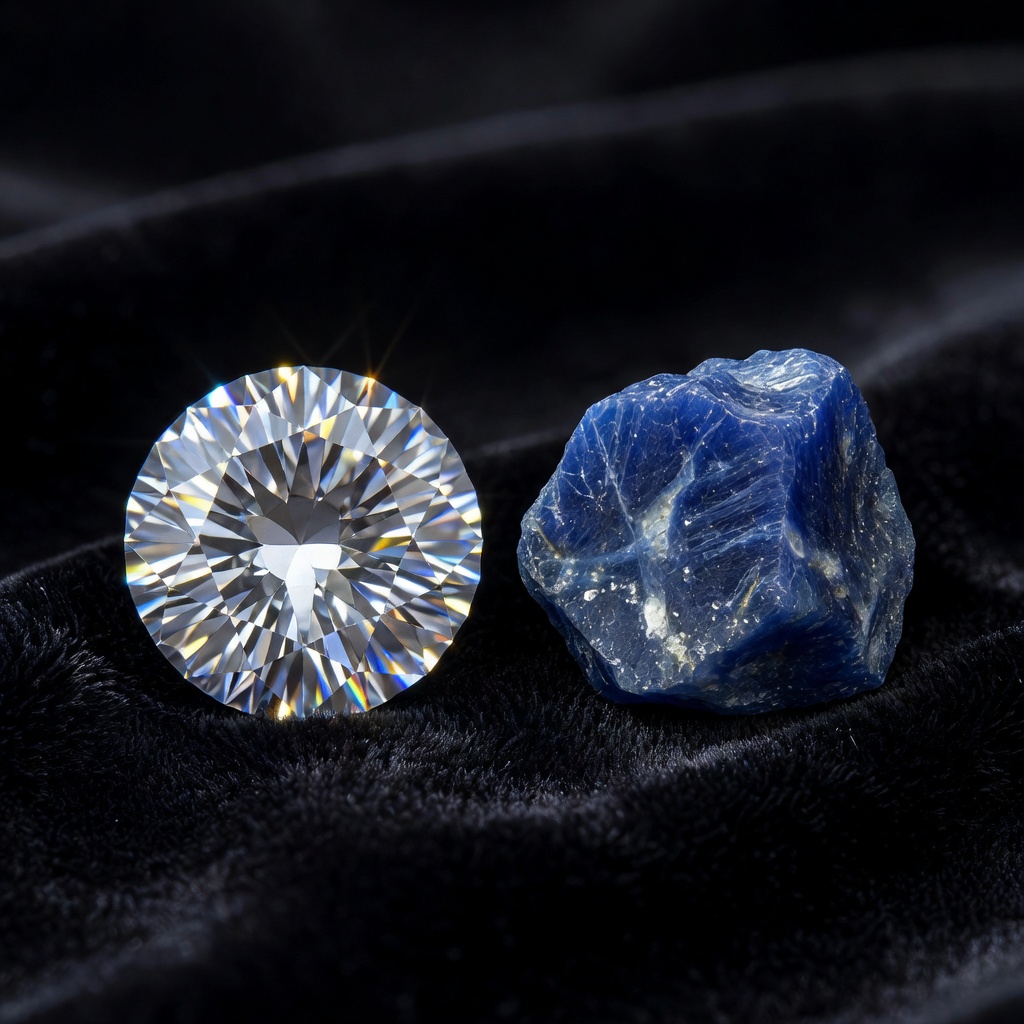
The optical performance gap between blue dumortierite vs white diamond becomes immediately apparent when observing these stones side by side under natural or artificial light. Diamonds boast a refractive index of 2.42 and a dispersion rate of 0.044, creating the spectacular fire and brilliance that has captivated humans for millennia. When expertly cut, diamonds return virtually all entering light to the viewer's eye, creating that characteristic sparkle that moves and flashes with every subtle motion of the wearer's hand.
Dumortierite presents an entirely different aesthetic appeal, featuring a vitreous to dull luster that rarely produces significant brilliance regardless of cutting style. This gemstone typically appears opaque to translucent, with a characteristic fibrous or granular texture that creates a soft, velvety appearance rather than sharp reflections. The most prized specimens display a rich, denim-blue to violet-blue coloration caused by iron and titanium substitutions within the crystal lattice, though brownish-blue and greenish variants also occur naturally. Unlike diamonds, which achieve color through trace elements or structural anomalies, dumortierite's blue hue represents its defining and most consistent characteristic.
Clarity assessments differ dramatically between these materials, as diamonds undergo rigorous grading under 10x magnification using standardized clarity scales ranging from Flawless to Included. These grades significantly impact value, with eye-clean diamonds commanding premium prices. Dumortierite rarely achieves transparency, typically showing fibrous inclusions, aggregate patterns, or spotted appearances that gemologists consider characteristic rather than detrimental to value. When dumortierite forms within quartz, creating "blue quartz" or dumortierite quartz, the resulting material offers improved clarity and durability while maintaining the distinctive color, providing an interesting middle ground for collectors seeking both durability and the unique blue aesthetic.
Market Value, Rarity, and Investment Potential
The economic disparity between these gemstones reflects their differing statuses within the global jewelry market and collector communities. Diamond pricing follows the rigid 4Cs framework (cut, color, clarity, carat), with fine white diamonds ranging from several thousand to millions of dollars per carat depending on size and quality metrics. Fancy colored blue diamonds, which might seem visually comparable to high-grade dumortierite, actually represent some of the most valuable substances on earth, with the Oppenheimer Blue selling for over $50 million and the Hope Diamond valued at hundreds of millions despite its curse legends.
Dumortierite occupies the opposite end of the value spectrum, functioning as an affordable collector's mineral typically priced between $5 and $50 per carat for quality specimens suitable for cabochon cutting or beadwork. Rare, transparent crystals suitable for faceting command higher premiums, potentially reaching $100 per carat for exceptional material, yet these prices remain negligible compared to even modest diamond acquisitions. This accessibility makes dumortierite jewelry an excellent entry point for beginning collectors or those seeking large, impressive blue stones without significant financial investment.
Investment considerations favor diamonds for those seeking liquid assets with historical value retention, as certified diamonds from reputable sources maintain established resale markets and auction house recognition. Dumortierite appeals to metaphysical collectors and mineral enthusiasts rather than traditional investors, with value appreciation depending on rarity of specific formations or lapidary artistry rather than intrinsic material worth. When building a jewelry collection, diamonds serve as heirloom pieces and stores of value, while dumortierite offers decorative versatility and spiritual significance without the pressure of monetary preservation.
| Characteristic | Diamond | Dumortierite |
|---|---|---|
| Mohs Hardness | 10 (Highest possible) | 7-8.5 (Variable) |
| Chemical Composition | Carbon (C) | Aluminum Boro-Silicate Hydroxide |
| Refractive Index | 2.42 (Exceptional brilliance) | 1.68-1.72 (Low brilliance) |
| Price Range | $3,000-$50,000+ per carat | $5-$50 per carat |
| Best Jewelry Applications | Engagement rings, daily wear pieces | Pendants, beads, occasional wear |
| Luster | Adamantine (Diamond-like sparkle) | Vitreous to Dull |
| Durability for Daily Wear | Excellent (Scratch-proof) | Moderate (Prone to scratching) |
| Classification | Precious Gemstone | Semi-Precious Gemstone |
Jewelry Applications and Design Versatility
Diamonds dominate the fine jewelry landscape, particularly in bridal markets where solitaire engagement rings and wedding bands represent cultural milestones and financial commitments. High-fashion pieces utilize diamonds for precision faceting that maximizes light return, requiring master cutters to navigate the stone's cleavage planes while optimizing proportions. Advanced setting techniques, including micro-pavé, tension settings, and halo designs, showcase diamond brilliance while protecting the stone's vulnerable edges, allowing these gems to transition seamlessly from black-tie events to daily professional wear.
Dumortierite jewelry embraces entirely different design philosophies, leveraging the stone's fibrous structure and distinctive color rather than attempting to mimic diamond brilliance. Lapidaries typically cut dumortierite as cabochons, beads, or tumbled stones that display the material's natural patterns and silky luster. The stone works beautifully in bohemian-style necklaces, mala beads for meditation practices, and statement rings where the blue color provides a focal point against silver or copper settings. Unlike diamonds, which require protective settings primarily against chipping, dumortierite benefits from bezels and protective rims that prevent surface abrasion during wear.
Metal pairing recommendations differ significantly between these stones, with platinum, white gold, and yellow gold providing classic backdrops that enhance diamond fire through color contrast and reflection. These precious metals complement diamond durability, creating cohesive pieces designed for generational transfer. Dumortierite achieves optimal visual impact when set in sterling silver, copper, or antiqued brass, where warm or cool metallic tones accentuate the stone's denim-blue coloration. Copper settings, in particular, create a harmonious color story with dumortierite, though designers must ensure protective finishes prevent metal oxidation from affecting the stone's surface over time.
Metaphysical Properties and Symbolic Meanings
The distinction between semi-precious vs precious stones extends beyond market economics into the realm of spiritual practices and symbolic associations. Diamonds carry millennia of metaphysical significance, representing purity, invincibility, and the unbreakable bonds of eternal love across numerous cultures. In crystal healing traditions, diamonds activate the crown chakra, facilitating connection to higher consciousness and divine wisdom while amplifying the energies of other stones. The April birthstone status of diamonds reinforces their association with spring renewal, clarity, and abundance, making them traditional gifts for significant life milestones and ten-year wedding anniversaries.
Dumortierite serves a distinctly different spiritual function, earning nicknames such as the "Stone of Patience" and the "Scholar's Stone" due to its associations with intellectual enhancement and mental discipline. Crystal practitioners attribute dumortierite with stimulating the third-eye chakra, enhancing psychic abilities, mental clarity, and organizational skills particularly beneficial for students, writers, and researchers. Unlike diamonds, which amplify existing energies, dumortierite specifically targets mental processes, promoting self-discipline, emotional control, and the patience required for long-term academic or creative pursuits.
Cultural significance diverges sharply between these materials, with diamonds representing material success, romantic commitment, and social status in Western traditions, while dumortierite appeals to metaphysical communities seeking stones for meditation, study aids, and stress relief. Some practitioners recommend placing dumortierite on study desks or wearing it during examinations to maintain focus and calm, whereas diamonds typically appear in ceremonial contexts or as symbols of achievement. This functional difference creates distinct consumer bases, with diamond buyers often seeking traditional luxury and dumortierite enthusiasts pursuing personal growth and spiritual development.
Care, Cleaning, and Long-term Maintenance
Maintaining gemstone durability over decades requires understanding each material's specific vulnerabilities and care requirements. Diamonds, despite their chemical inertness and resistance to scratching, attract oils and dirt that dull their surface luster, requiring regular cleaning to maintain optimal brilliance. Owners can safely use ultrasonic cleaners, steam cleaning, or simple solutions of warm water with mild dish soap, using soft brushes to remove debris from setting crevices. The stone's hardness allows for aggressive cleaning methods impossible with softer gems, though owners should periodically inspect prongs and settings to prevent loss due to metal wear rather than stone damage.
Dumortierite demands significantly gentler treatment due to its sensitivity to acids, heat, and harsh chemicals that can etch the surface or alter its coloration. Cleaning requires only lukewarm water with mild soap, applied with a soft cloth rather than brushes that might scratch the softer surface. Ultrasonic cleaners and steam systems pose serious risks to dumortierite, potentially causing thermal shock or exacerbating existing fractures within the fibrous structure. Owners should remove dumortierite jewelry before swimming in chlorinated pools, cleaning with household chemicals, or engaging in activities that might expose the stone to acids or rapid temperature changes.
Storage protocols reflect hardness differentials, as diamonds require isolation from other jewelry pieces to prevent them from scratching softer gemstones, metals, or even other diamonds. Individual compartments or soft cloth bags prevent accidental contact that could damage neighboring pieces. Dumortierite, while hard enough to avoid damage from most common materials, should still be stored separately from diamonds, sapphires, and other stones above 8.5 on the Mohs scale, and protected from direct sunlight that might potentially fade its blue coloration over extended periods. For collectors maintaining both stones, designated jewelry boxes with varied compartment sizes accommodate the different storage needs of delicate dumortierite beads versus robust diamond settings.
Making Your Choice: Which Gemstone Fits Your Needs
Selecting between these materials ultimately depends on aligning gemstone properties with personal lifestyle, budget constraints, and aesthetic preferences. When choosing gemstones for lifetime investment pieces, particularly engagement rings or heirlooms intended for daily wear, diamonds provide unmatched security, liquidity, and durability that justify their premium pricing. Active professionals, athletes, or individuals working with their hands benefit from diamond's ability to withstand decades of continuous wear without showing signs of abrasion, maintaining their brilliance through generations with minimal maintenance beyond regular cleaning.
Budget-conscious consumers seeking spiritual tools or fashion accessories find dumortierite an excellent alternative that offers distinctive beauty without financial strain. Those drawn to alternative healing practices, meditation, or unique blue jewelry pieces appreciate dumortierite's accessibility, allowing for larger statement pieces or varied collections without the pressure of insuring high-value items. College students, beginning crystal collectors, or individuals seeking "something blue" for wedding traditions without diamond expense discover practical value in dumortierite's affordability and metaphysical associations with learning and patience.
Aesthetic preferences ultimately drive the final decision, as no amount of durability or investment potential satisfies if the visual appearance fails to resonate with the wearer. Traditionalists drawn to sparkle, fire, and crystalline perfection gravitate inevitably toward diamonds, particularly white or fancy colored varieties that catch light with every movement. Conversely, those appreciating organic textures, matte finishes, and the calming influence of blue hues find dumortierite's fibrous appearance and denim coloration more aligned with contemporary bohemian or minimalist jewelry trends. Consider trying both stones in person, observing how each interacts with your skin tone, wardrobe, and personal energy before making a commitment that should bring joy for years to come.
Frequently Asked Questions
Is dumortierite as hard as diamond?
No, dumortierite is significantly softer than diamond. While diamond ranks 10 on the Mohs hardness scale (the highest possible), dumortierite ranges between 7 and 8.5. This means diamond can scratch dumortierite, but dumortierite cannot scratch diamond. For daily wear jewelry like engagement rings, diamond's superior hardness makes it far more resistant to scratches and abrasion.
Can dumortierite be used in engagement rings?
Dumortierite is not recommended for traditional engagement rings due to its hardness of 7-8.5 and perfect cleavage, making it susceptible to chipping and breaking during daily activities. While it can be used in protective settings like bezels for occasional wear rings, diamond remains the superior choice for engagement jewelry intended for lifelong daily wear.
Why is dumortierite so much cheaper than diamond?
Dumortierite costs significantly less than diamond due to differences in rarity, demand, and gemological properties. Diamonds require billions of years to form under extreme mantle conditions and possess unmatched optical properties, while dumortierite is more abundant, lacks brilliance, and is classified as a semi-precious ornamental stone rather than a precious gemstone.
Does dumortierite look like blue diamond?
While both can display blue hues, dumortierite and blue diamond look distinctly different. Blue diamonds exhibit exceptional brilliance, fire, and transparency with a crystalline structure, whereas dumortierite appears fibrous or granular with a vitreous to dull luster and opaque to translucent clarity. Dumortierite's color is typically more denim-blue or violet-blue compared to the electric or steel-blue of fancy blue diamonds.
Which gemstone is better for daily wear jewelry?
Diamond is unequivocally better for daily wear jewelry due to its perfect 10 hardness, resistance to scratching, and ability to withstand impacts and chemicals. Dumortierite, while suitable for pendants and earrings that receive less impact, can scratch relatively easily and may fracture if knocked against hard surfaces, making it better suited for occasional wear pieces.
How can I tell dumortierite apart from diamond?
You can distinguish dumortierite from diamond through several tests: diamond has much higher brilliance and fire, feels cold to the touch due to high thermal conductivity, and will scratch glass easily. Dumortierite feels warmer, displays fibrous or spotted patterns under magnification, lacks diamond's characteristic sparkle, and may show white streaks when tested on unglazed porcelain.
Is dumortierite a real gemstone or just a mineral?
Dumortierite is both a legitimate mineral species (aluminum boro-silicate hydroxide) and a gemstone used in jewelry. While gemologically classified as a semi-precious gemstone, it is more commonly used for ornamental carvings, beads, and cabochons rather than faceted jewelry due to its fibrous structure. It is recognized by major gemological institutions as a collectible and wearable gemstone material.
What is the spiritual meaning of dumortierite compared to diamond?
Spiritually, diamond represents purity, invincibility, eternal love, and connection to the divine or crown chakra, often associated with clarity and abundance. Dumortierite carries energies of intellectual enhancement, patience, self-discipline, and mental organization, associated with the third-eye chakra. While diamond amplifies energy and intentions, dumortierite specifically supports learning, memory, and emotional control.