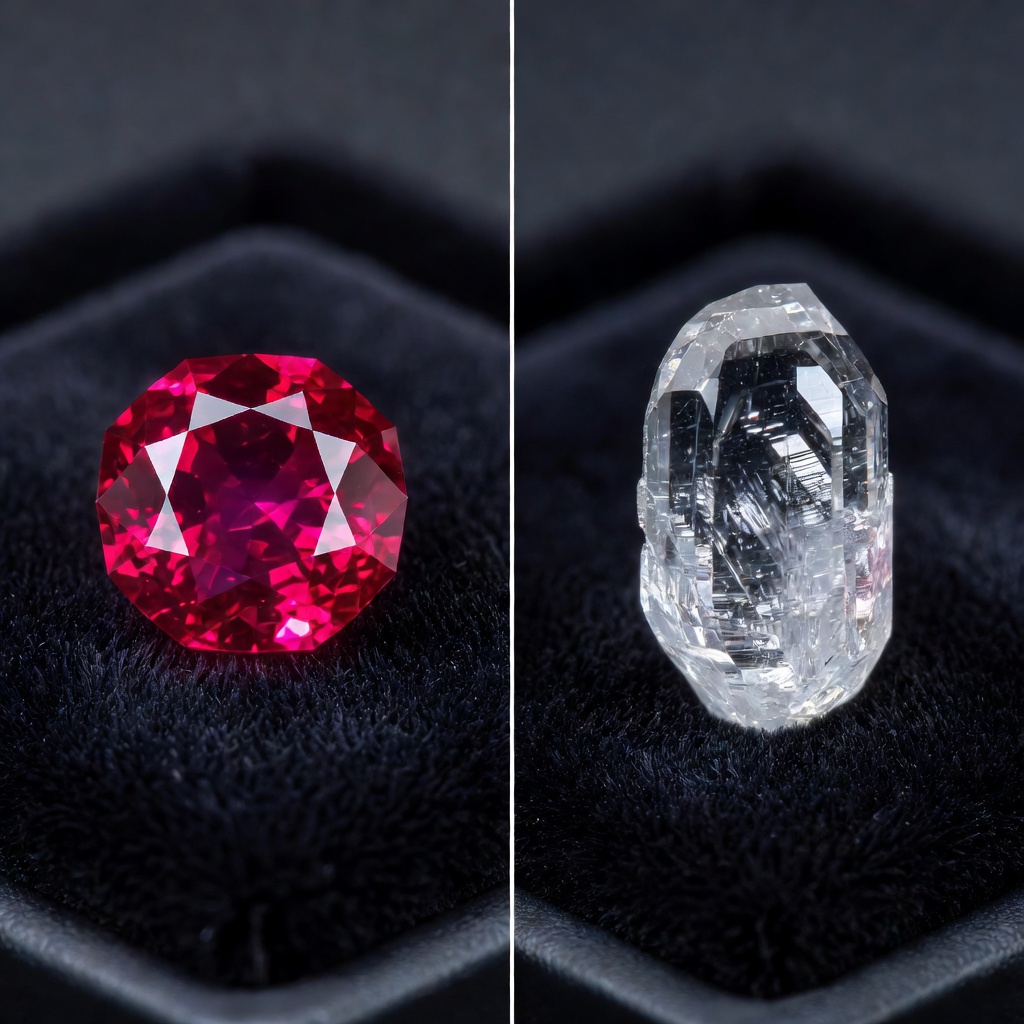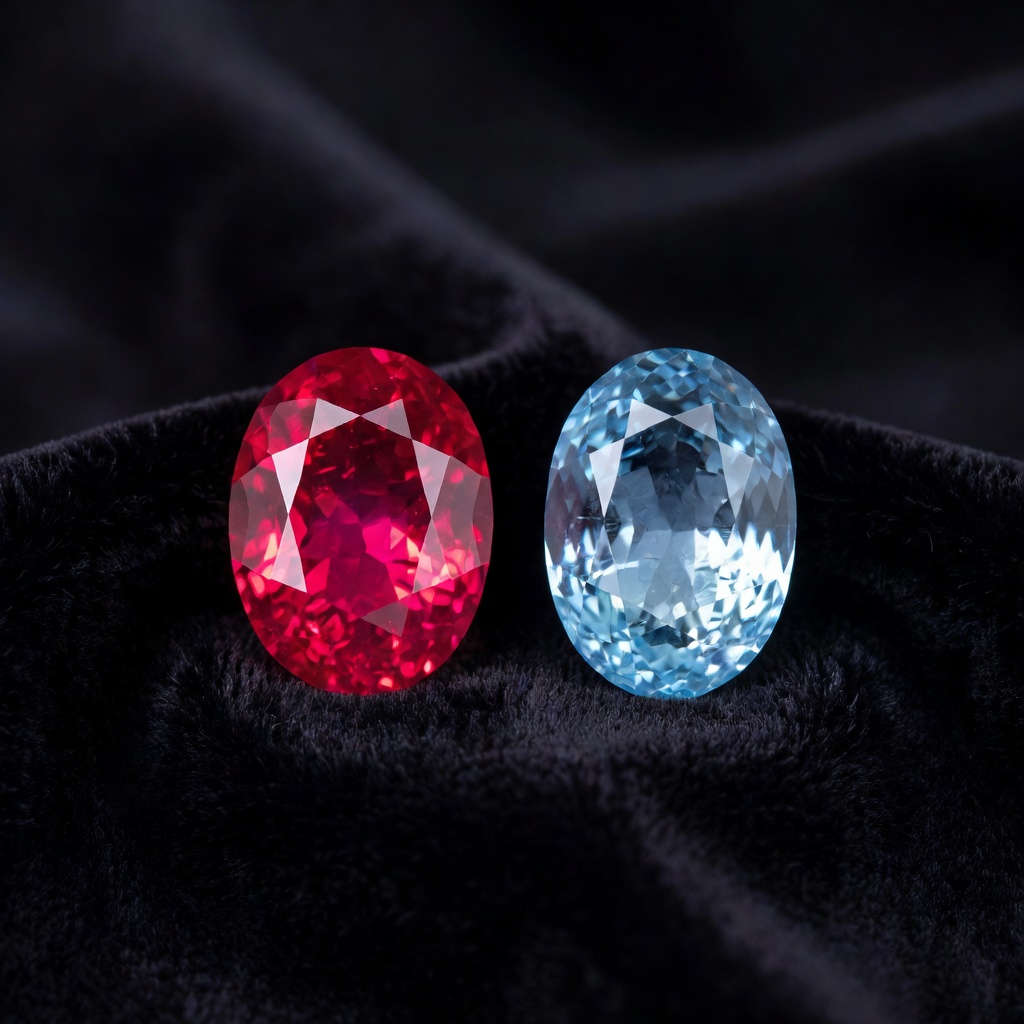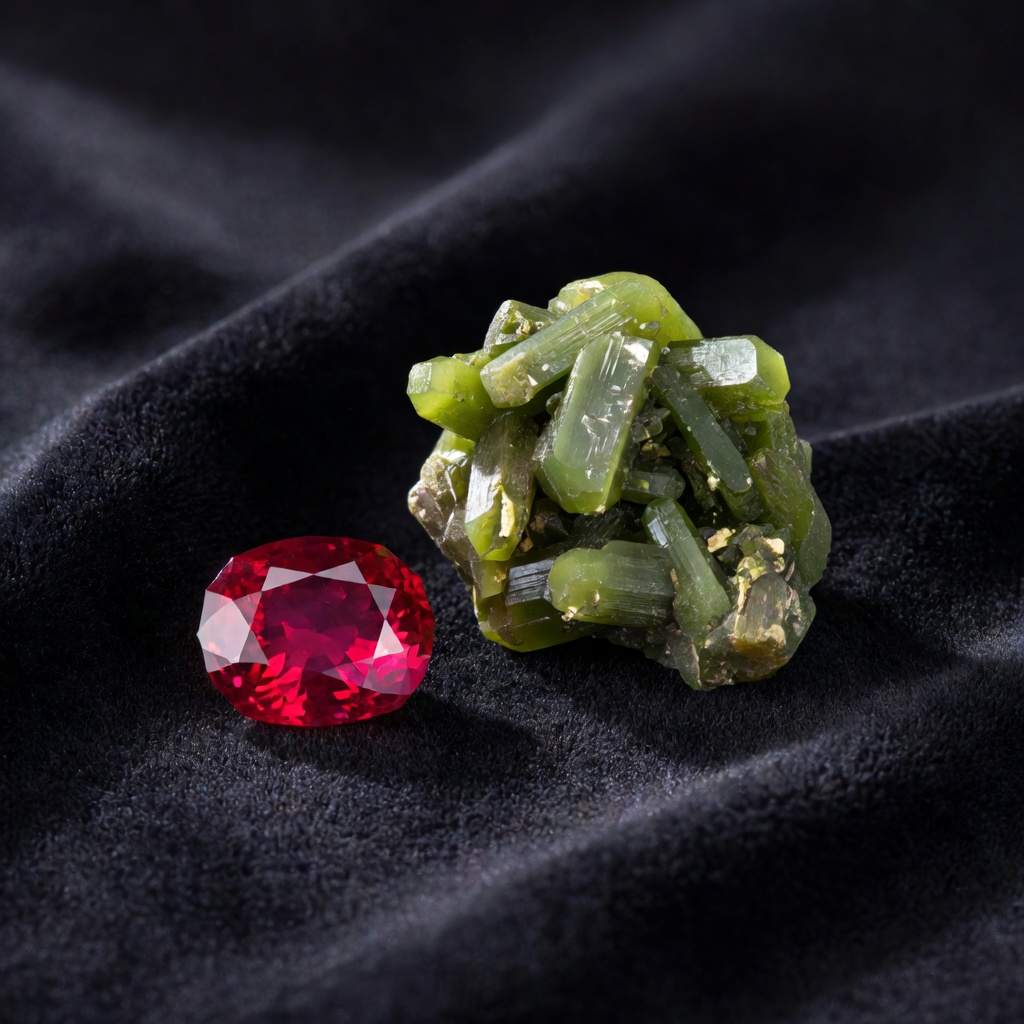
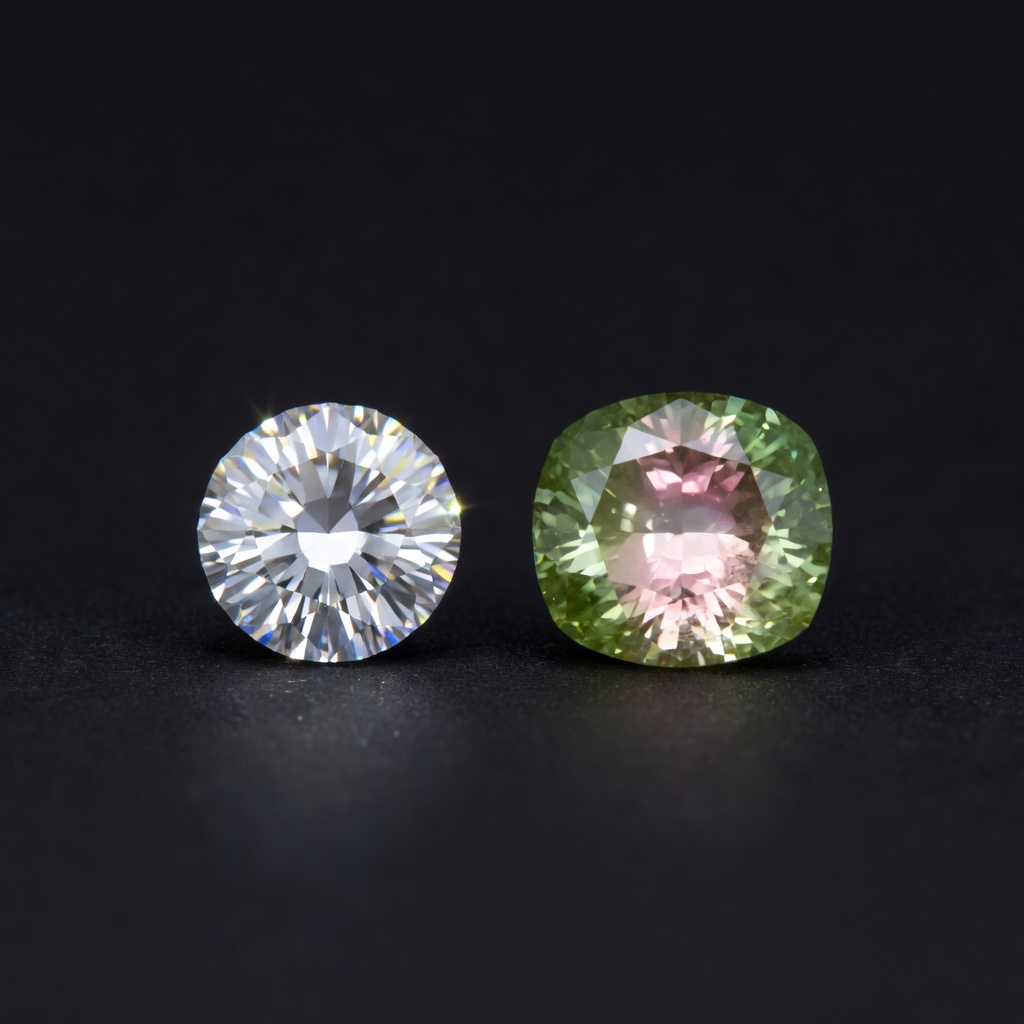
Understanding Diamond vs Diaspore (Zultanite)
When selecting a gemstone that captures both personal significance and lasting value, collectors and jewelry enthusiasts increasingly find themselves weighing the merits of Diamond vs Diaspore (Zultanite). Diamonds have maintained their position as the ultimate symbol of luxury and enduring commitment for centuries, prized for their unparalleled hardness and brilliant light performance. In contrast, Zultanite, the trade name for gem-quality color-changing Diaspore from Turkey, has emerged as a fascinating alternative that offers exotic optical phenomena rather than traditional sparkle. This growing comparison reflects a shift in consumer preferences, where uniqueness and rarity sometimes outweigh conventional prestige, prompting buyers to consider whether they prefer the timeless consistency of diamond or the magical color-shifting abilities of this rare Turkish treasure.
Several key factors drive this comparison beyond mere aesthetics. While diamonds represent geological eternity formed billions of years ago under extreme pressure, Zultanite offers immediate visual drama through its ability to transform from kiwi green to raspberry pink depending on the light source. Budget-conscious buyers also notice that Zultanite price per carat often allows for larger statement pieces compared to equivalent investments in high-quality diamonds. Ultimately, choosing between these gemstones requires understanding not just their physical properties, but how each aligns with your lifestyle, aesthetic preferences, and long-term jewelry goals.
Geological Origins and Formation
The geological stories behind these gemstones could not differ more dramatically, yet both represent extraordinary natural processes that create beauty from raw earth materials. Diamonds form approximately 100 miles beneath Earth's surface in the mantle, where carbon atoms crystallize under immense pressure exceeding 50 kilobars and temperatures above 900°C over periods spanning one to three billion years. These ancient crystals reach the surface through rare volcanic eruptions called kimberlite pipes, which act as elevators transporting the gems rapidly upward before they can dissolve back into the mantle. This dramatic journey from deep earth to human hands contributes to diamond's mythology as an eternal symbol, with each stone potentially older than life itself.
Turkish diaspore, marketed as Zultanite, originates from an entirely different geological environment within the bauxite deposits of Turkey's Anatolian mountains. Unlike diamonds formed from elemental carbon, diaspore consists of aluminum oxide hydroxide (AlO(OH)), crystallizing in metamorphic environments where bauxite rocks undergo alteration and recrystallization. The specific geological conditions in this single mountain range create the perfect combination of trace elements, particularly chromium, that enables the color-changing phenomenon unique to gem-quality material. This restricted geographic origin means that while diamonds are mined across multiple continents including Africa, Russia, Canada, and Australia, true Zultanite comes exclusively from one commercially viable mine in Turkey.
The rarity factor becomes stark when comparing global distribution versus single-source limitation. Diamond mining operations span the globe with massive industrial infrastructure capable of producing millions of carats annually, even if gem-quality specimens represent a small fraction of total output. Conversely, the Zultanite mine yields only a limited quantity of crystals suitable for faceting, with many specimens containing inclusions or lacking the transparency necessary for jewelry use. This geological lottery means that while you might visit multiple jewelry stores and see hundreds of diamonds, encountering a fine Zultanite over five carats remains an exceptional event, making each piece inherently more exclusive than most diamonds encountered in commercial markets.
Visual Characteristics: Brilliance vs Color Change
The visual experience of Diamond vs Diaspore (Zultanite) presents a fundamental choice between two distinct expressions of optical beauty. Diamonds captivate through their exceptional brilliance, fire, and scintillation, properties derived from their high refractive index of 2.42, the highest of any naturally occurring transparent gemstone. When expertly cut, diamonds return virtually all entering light back to the viewer's eye, creating that signature sparkle recognized across cultures. This consistency means a diamond appears essentially the same whether viewed under fluorescent office lighting, natural daylight, or romantic candlelight, providing reliable, predictable beauty that has defined luxury jewelry for generations.
Zultanite operates through an entirely different visual mechanism known as pleochroism combined with the alexandrite effect, making it one of the most intriguing color changing gemstones available to collectors. In natural daylight or fluorescent lighting, the stone displays a distinctive kiwi green with subtle yellow flashes, while incandescent lighting from candles or traditional bulbs transforms the gem into soft champagne or raspberry pink tones. This dramatic shift occurs because the chromium ions within the crystal structure absorb different wavelengths of light depending on the source's spectral output. Unlike diamonds that remain colorless and constant, Zultanite offers a dynamic visual experience that changes throughout the day as the wearer moves between environments.
Practical examples illustrate how these differences manifest in real-world wear. Consider a bride wearing her engagement ring during an outdoor afternoon wedding; a diamond would sparkle consistently from the ceremony through the reception, while a Zultanite would visibly transform from greenish tones during the garden vows to warmer pink hues under the reception hall's ambient lighting. For collectors who appreciate gemstones as conversation pieces, Zultanite provides an interactive experience where the stone seems alive with mood and environment. However, those seeking a gem that matches every outfit and occasion without visual variation might find diamond's stable appearance more versatile for daily coordination.
Durability and Hardness Analysis
When evaluating gemstones for jewelry applications, durability directly impacts longevity and wearability, creating significant distinctions between these two materials. Diamonds reign supreme on the Mohs hardness scale, ranking 10 as the hardest known natural substance, meaning they resist scratching from any other material and maintain their polish indefinitely. This extraordinary hardness allows diamonds to survive daily encounters with household dust (which contains silica), accidental bumps against countertops, and decades of constant wear without showing surface damage. For engagement rings and heirloom pieces intended to last generations, this durability makes diamonds the practical gold standard against which all other gems are measured.
Diaspore hardness vs diamond reveals a more moderate durability profile that requires careful consideration before purchase. Ranking 6.5 to 7 on the Mohs scale, Zultanite can be scratched by harder materials including quartz, which is abundant in dust and sand, and it possesses perfect cleavage in one direction, meaning it can split cleanly if struck with sufficient force along specific crystal planes. This combination of moderate hardness and cleavage makes Zultanite unsuitable for high-impact jewelry like engagement rings or bracelets that endure daily knocks against desks, car doors, and shopping carts. However, this does not disqualify Zultanite from jewelry use; rather, it dictates specific setting requirements and wearing occasions.
Case studies from jewelry repair professionals highlight these differences in practical terms. A diamond ring worn daily for fifty years might require only periodic cleaning and tightening of prongs, while a Zultanite ring worn with similar frequency would likely show surface abrasions, facet junction rounding, and potential chipping within months. For Zultanite owners, the solution lies in strategic jewelry design choices: wearing the stone in protective bezel settings rather than exposed prong settings, choosing earrings or pendants that experience less physical impact than rings, or reserving Zultanite pieces for special occasions rather than daily wear. Understanding these limitations allows collectors to enjoy Zultanite's beauty for decades without premature damage, whereas diamonds tolerate virtually any reasonable wearing condition.
Optical Properties and Light Performance
Beyond hardness and color, the scientific interaction between light and crystal structure determines how each gemstone communicates visual information to the human eye. Diamond's optical dominance stems from its combination of high refractive index (2.42) and strong dispersion (0.044), the latter being the property that separates white light into spectral colors, creating rainbow flashes or "fire" within the stone. When light enters a well-cut diamond, it slows down significantly due to the high refractive index, bends toward the normal line, and reflects internally before exiting, creating that characteristic brilliance and fire that makes diamonds instantly recognizable even across crowded rooms.
Zultanite possesses a lower refractive index of approximately 1.75 and significantly lower dispersion, meaning it does not produce the rainbow fire associated with diamond. Instead, Zultanite's optical performance relies on transparency and pleochroism, where the crystal structure absorbs different colors of light depending on the viewing angle. This creates a subtle glow rather than explosive sparkle, with light passing through the stone and returning modified by the chromium content rather than spectrally separated. The cutting challenges for each material differ accordingly: diamond cutters must optimize angles to maximize light return within tight tolerances, while Zultanite cutters must orient the crystal to best display the color-change effect while minimizing the "window" or dead area that can appear in the center of pale stones.
Practical tips for examining these optical differences include observing both stones under multiple lighting conditions before purchase. When viewing diamonds, look for distinct bright and dark patterns indicating good light return, and check for rainbow flashes when rocking the stone. For Zultanite, bring the stone near a window for natural light, then move it to incandescent lighting to verify the color shift from green to pink. High-quality Zultanite should show complete transparency without cloudiness, though inclusions are more acceptable in this rare material than in investment-grade diamonds. Understanding these optical distinctions helps buyers appreciate that they are choosing between two fundamentally different types of beauty: explosive brilliance versus subtle, shifting color.
Market Value and Investment Potential
The economics of Diamond vs Diaspore (Zultanite) reflect divergent market structures, supply chains, and collector demographics that significantly impact purchasing decisions. Diamond pricing operates within a highly structured global market where the four Cs (cut, color, clarity, and carat weight) determine value with remarkable consistency across international borders. Current market ranges place commercial-quality diamonds between $3,000 to $10,000 per carat, with exceptional D-flawless stones commanding $30,000 or more per carat depending on size. This established pricing infrastructure provides liquidity, meaning diamonds can generally be resold through numerous channels including auction houses, estate buyers, and retail jewelers, though typically at a significant discount from retail purchase prices.
Zultanite price per carat ranges from approximately $500 for smaller stones with modest color change to $10,000 or more for exceptional specimens exceeding five carats with strong pleochroism. While seemingly less expensive than top-tier diamonds, this pricing reflects true geological scarcity rather than market manipulation. The single-mine source in Turkey produces only a few thousand carats of facet-grade material annually, compared to millions of carats of diamonds entering the market yearly. For gemstone investment purposes, this extreme rarity suggests potential for appreciation as the limited supply depletes, though the niche market for color-change stones means liquidity is lower than diamonds. A $10,000 Zultanite purchase might appreciate to $15,000 over five years, but finding a buyer requires specialized dealers or auction houses rather than local jewelry stores.
| Characteristic | Diamond | Zultanite (Diaspore) |
|---|---|---|
| Mohs Hardness | 10 (Highest) | 6.5-7 (Moderate) |
| Refractive Index | 2.42 (Very High) | 1.75 (Medium) |
| Color Phenomena | Colorless/Consistent | Pleochroic/Color-Changing |
| Primary Source | Global (Multiple Continents) | Turkey Only (Single Mine) |
| Price per Carat Range | $3,000 - $30,000+ | $500 - $10,000+ |
| Durability for Daily Wear | Excellent (Rings/Bracelets) | Fair (Best in Pendants/Earrings) |
| Market Liquidity | High (Global Resale Market) | Moderate (Collector Niche) |
| Optical Performance | Brilliance and Fire | Color Shift and Glow |
| Setting Requirements | Standard Prongs | Protective Bezels Recommended |
| Investment Profile | Stable, Liquid Asset | Speculative, Scarcity-Driven |
Long-term appreciation trends favor different buyer profiles for each stone. Diamonds generally maintain value against inflation but rarely appreciate dramatically unless they are exceptionally large (10+ carats) or possess rare fancy colors like vivid blue or pink. Zultanite represents a higher-risk, potentially higher-reward investment for collectors betting on increasing scarcity as the Turkish mine reaches maturity. Case studies from the colored gemstone market suggest that single-source gems with unique optical properties, like Tanzanite before its market saturation, can appreciate significantly over decades. However, prospective buyers should purchase Zultanite primarily for aesthetic enjoyment rather than pure investment, treating any appreciation as a bonus rather than a guarantee, while diamonds offer more predictable store-of-value characteristics.
Jewelry Design Applications and Settings
The physical and optical properties of each gemstone dictate distinct approaches to jewelry design, influencing everything from setting style to metal choice. Diamonds offer unparalleled versatility, thriving in every jewelry category from delicate pavé bands to substantial solitaire engagement rings and tennis bracelets that withstand constant wrist movement. Their hardness allows designers to use minimal metal in prong settings, maximizing light entry and brilliance without compromising security. High-impact designs featuring tension settings, where the diamond appears suspended between metal, rely entirely on the stone's durability to resist the pressure exerted by the mounting.
Zultanite jewelry settings require more protective engineering to accommodate the stone's moderate hardness and cleavage. Bezels, where metal surrounds the gemstone's perimeter, provide superior protection compared to prong settings by absorbing impact that might otherwise chip the girdle or corners. Halo designs where smaller diamonds surround the central Zultanite offer both protection and complementary sparkle, though the Zultanite should sit slightly proud of the halo to prevent abrasion. Earrings and pendants represent ideal applications for Zultanite, as these locations experience less physical trauma than rings or bracelets, allowing the stone to be enjoyed with minimal risk of damage.
Metal compatibility differs significantly between these gems. Diamonds pair beautifully with all metal colors, though white gold and platinum enhance the stone's icy brilliance and colorless appearance, creating a seamless visual flow that maximizes light return. Zultanite demonstrates remarkable metal sensitivity that can enhance or diminish its color-changing effects. Rose gold amplifies the pink and champagne phases of Zultanite, creating warm, cohesive aesthetics, while yellow gold provides striking contrast against the green daylight appearance. White metals can sometimes make Zultanite appear cooler and less vibrant, potentially washing out the subtle color shifts. For collectors building comprehensive jewelry wardrobes, combining both gemstones allows for diverse styling options: diamond studs for daily professional wear and Zultanite drop earrings for evening events where the color change can be showcased under artificial lighting.
Ethical Sourcing and Sustainability Considerations
Modern consumers increasingly prioritize ethical provenance alongside aesthetic beauty, creating distinct narratives for each gemstone's journey from mine to market. The diamond industry operates under the Kimberley Process Certification Scheme, established in 2003 to prevent conflict diamonds from entering legitimate trade channels. While this system has reduced the flow of diamonds financing civil wars, critics note limitations regarding environmental degradation, labor practices in artisanal mining, and the definition of "conflict" that excludes government violence against civilians. Major diamond producers now emphasize responsible mining initiatives, carbon-neutral operations, and community development programs, though the industry's large scale makes comprehensive monitoring challenging across thousands of extraction points worldwide.
Turkish diaspore mining presents a boutique alternative with inherently traceable supply chains. The single commercial mine producing Zultanite operates under Turkish mining regulations with direct oversight, allowing for complete chain of custody documentation from the moment crystals are extracted until they reach the cutter. This single-origin advantage means consumers can verify their stone came from the Anatolian mountains rather than conflict zones, with minimal environmental disruption compared to large-scale open-pit diamond operations. The small-scale nature of the operation allows for rehabilitation of mining sites and limited surface impact relative to the massive craters created by industrial diamond extraction.
Environmental impact comparisons reveal stark differences in ecological footprint. Diamond mining typically involves moving hundreds of tons of earth per carat of diamond recovered, consuming significant energy and water resources, and creating permanent landscape alterations. The Zultanite mine, extracting from specific bauxite formations, operates on a much smaller scale with localized environmental effects. For ethically conscious consumers, requesting origin documentation for diamonds (beyond Kimberley Process certificates) and purchasing Zultanite from dealers who provide mine-specific provenance supports transparent supply chains. Both gemstones can be sourced responsibly, but Zultanite offers inherently simpler traceability due to its restricted origin, while diamonds require more diligent investigation to verify ethical claims.
Care, Maintenance, and Cleaning Guidelines
Proper maintenance protocols ensure longevity for both gemstones, though the specific requirements differ dramatically due to their physical properties. Diamond care is remarkably straightforward due to the stone's chemical inertness and hardness. Owners can safely use ultrasonic cleaners, which use high-frequency sound waves to remove dirt from settings, or steam cleaners that blast away oils and debris with heated vapor. Even simple soap and water with a soft brush effectively restores diamond brilliance, as the stone withstands heat, household chemicals, and mechanical cleaning methods without damage. Annual professional inspections should check for loose prongs or setting wear, though the diamond itself rarely requires repolishing even after decades of wear.
Zultanite maintenance demands more cautious handling to preserve its surface integrity and color-changing properties. Avoid ultrasonic and steam cleaners entirely, as the vibrations and thermal shock can exacerbate existing inclusions or cause cleavage fractures. Clean Zultanite using only lukewarm water, mild dish soap, and a soft cotton cloth or brush with gentle pressure. Chemical exposure poses particular risks, as household cleaners, chlorine in swimming pools, and even hairspray or perfume can potentially damage the surface or attack the setting metal, compromising the stone's security. Sudden temperature changes can also stress the crystal structure, so remove Zultanite jewelry before cooking, entering saunas, or moving between extreme temperature environments.
Storage recommendations prevent accidental damage between wearing sessions. Store diamond jewelry separately from other pieces not to protect the diamond, but to prevent the diamond from scratching softer gems like Zultanite, rubies, or emeralds. Keep Zultanite in individual soft pouches or lined jewelry boxes away from direct sunlight for extended periods, though normal wearing exposure poses no fading risk. Professional inspection schedules should occur twice yearly for Zultanite pieces to check for loose settings or early signs of chipping, compared to annual checks for diamond jewelry. By following these guidelines, Zultanite can maintain its beauty for generations despite its moderate hardness, while diamonds essentially care for themselves with minimal intervention.
Making Your Final Decision
Selecting between Diamond vs Diaspore (Zultanite) ultimately requires honest assessment of lifestyle, aesthetic preferences, and collecting goals rather than simply comparing specifications. Active professionals who use their hands frequently, engage in sports, or prefer low-maintenance luxury will find diamonds better suited to their daily routines, as these stones survive the chaos of modern life without special consideration. Conversely, those who view jewelry as art pieces reserved for special occasions, dinner parties, or cultural events may find Zultanite's color-changing magic more compelling than diamond's consistent sparkle, accepting the need for careful handling as part of the experience.
Budget optimization strategies differ for each gemstone category. Diamond purchases should prioritize cut quality above all other factors, as this determines light performance, followed by selecting the lowest clarity grade that appears eye-clean (typically VS2 or SI1) to maximize size within budget constraints. For Zultanite, prioritize the intensity of the color change over absolute clarity, as a slightly included stone with dramatic green-to-pink shift provides more visual interest than a flawless stone with weak pleochroism. Consider purchasing Zultanite in sizes between two to five carats for optimal value, as smaller stones show less dramatic color change while very large specimens command exponential premiums due to extreme rarity.
Building a comprehensive jewelry collection allows these gemstones to complement rather than compete with each other. A well-curated wardrobe might include diamond studs and a tennis bracelet for daily elegance, paired with a statement Zultanite ring or pendant for occasions where conversation-starting unique properties shine. The timeless classic sparkle of diamonds provides foundational pieces that coordinate with any attire, while exotic color changing gemstones like Zultanite offer personality and distinctiveness. By understanding that diamonds represent tradition, durability, and liquidity while Zultanite offers rarity, optical phenomena, and exclusivity, collectors can make informed choices that serve different purposes within their personal style narrative.
Frequently Asked Questions
Is Zultanite rarer than diamond?
Yes, gem-quality Zultanite is significantly rarer than diamond. While diamonds are mined globally across multiple continents, natural color-changing Diaspore (Zultanite) comes from only one commercial mine in the Anatolian mountains of Turkey. The mine yields only a small percentage of crystals large enough and clean enough for faceting, making fine specimens more scarce than most diamonds on the market.
Can Zultanite be worn daily like a diamond?
Zultanite is not recommended for daily wear in rings or bracelets due to its 6.5-7 hardness on the Mohs scale and perfect cleavage, which makes it susceptible to scratching and chipping. Diamonds, ranking 10 on the Mohs scale, are ideal for daily wear. If you want daily-wear Zultanite, choose protective settings like bezels or wear it in pendants and earrings where impact risk is lower.
Why does Zultanite change color while diamond doesn't?
Zultanite displays pleochroism and the alexandrite effect due to its unique crystal structure and chromium content, causing it to shift between kiwi green in daylight and raspberry/champagne pink in incandescent light. Diamonds are colorless and isotropic, meaning they transmit light uniformly without color change, displaying only brilliance and fire regardless of lighting conditions.
Is Diaspore the same as Zultanite and Csarite?
Diaspore is the mineral name, while Zultanite and Csarite are brand names for gem-quality color-changing Diaspore from Turkey's Anatolian mountains. All Zultanite is Diaspore, but not all Diaspore is Zultanite—most Diaspore lacks the transparency and color-change effect. Csarite was an earlier brand name for the same material, though Zultanite is now the dominant trade name.
Which gemstone is a better investment, diamond or Zultanite?
Diamonds offer higher liquidity and stable long-term value retention due to established global markets, though prices fluctuate with market conditions. Zultanite offers potential for appreciation due to extreme rarity and single-source limitation, but has a smaller resale market. Diamonds suit conservative investors seeking liquidity, while Zultanite appeals to collectors betting on scarcity-driven value increases.
How can I tell if my Zultanite is real or synthetic?
Genuine Zultanite exhibits distinct pleochroism visible to the naked eye—showing different colors when viewed from different angles and under different light sources (green in daylight, pink in incandescent). Synthetics lack this natural color shift subtlety. Always request certification from reputable labs like GIA or EGL, and purchase from dealers who provide origin documentation from the Turkish mine.
Why is Diamond vs Diaspore (Zultanite) pricing so different per carat?
Diamond pricing reflects controlled supply chains, massive marketing infrastructure, and established grading systems (4 Cs). Zultanite pricing reflects true geological rarity, limited supply from one mine, and the 'novelty premium' of color-changing phenomena. While high-quality diamonds command premium prices based on perfection, Zultanite prices escalate based on intensity of color change and size, as large clean crystals are exceptionally rare.
Which setting metal works best for these gemstones?
Diamonds pair beautifully with all metals, though white gold and platinum maximize their icy brilliance. Zultanite performs best in rose gold, which enhances its pink/champagne phases, or yellow gold for contrast. White metals can make Zultanite appear cooler and less vibrant. Both gems require secure prongs, but Zultanite particularly benefits from protective bezel settings to guard its softer structure.