Two Worlds of Gemstone Beauty: Understanding Diamond vs Coral
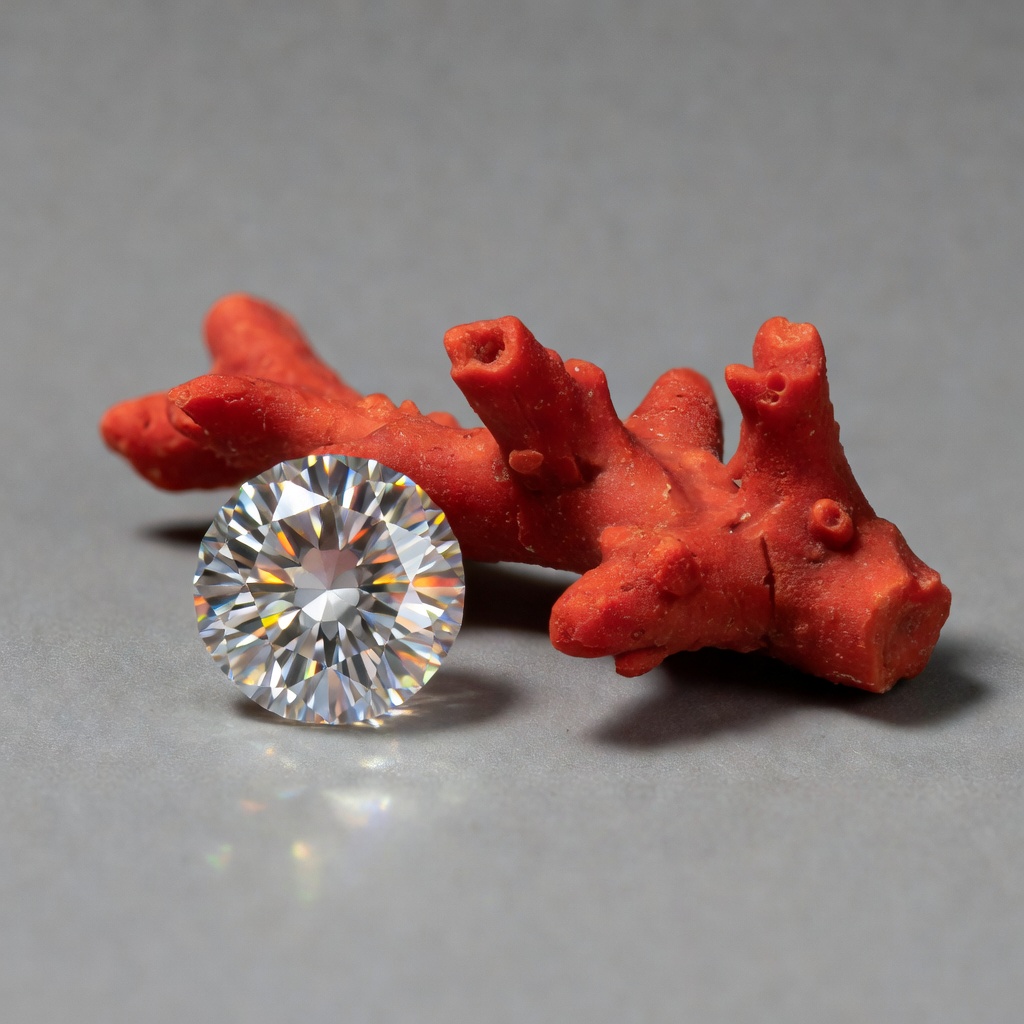
When selecting a gemstone that captures both personal style and lasting value, buyers often find themselves captivated by two radically different yet equally mesmerizing options. The diamond vs coral debate represents more than a simple choice between stones; it embodies a fundamental divergence between Earth's crystalline perfection and oceanic organic artistry. While diamonds dazzle with their adamantine brilliance and geometric precision, precious coral seduces with warm, matte textures and flowing natural forms that seem to retain the essence of living seas. Understanding these distinctions helps collectors and jewelry enthusiasts make informed decisions that align with their lifestyle, aesthetic preferences, and ethical values.
This comprehensive gemstone comparison explores the geological and biological origins that define each material, examining how mineral and organic gemstones serve different purposes in jewelry design and investment portfolios. Whether you seek the unbreakable sparkle of a classic engagement ring or the vintage charm of Mediterranean red coral, recognizing the unique properties, care requirements, and market dynamics of each stone ensures your selection brings decades of satisfaction. From Mohs hardness ratings to cultural symbolism, we delve deep into the practical considerations that distinguish these treasures of land and sea.
Origins and Formation: Earth vs Ocean
The Crystalline Depths: How Diamonds Form
Diamonds emerge from the most extreme conditions our planet can offer, forming approximately 90 to 150 miles beneath Earth's surface in the mantle's high-pressure, high-temperature zones. Through a remarkable process spanning 1 to 3 billion years, pure carbon atoms crystallize into isometric structures under pressures exceeding 725,000 pounds per square inch and temperatures above 2,000 degrees Fahrenheit. Volcanic eruptions known as kimberlite pipes eventually propel these ancient crystals toward the surface, where they can be mined and fashioned into the brilliant gems recognized worldwide.
The geological journey creates a mineral gemstone of unparalleled density and optical properties, with each diamond carrying within its structure a timeline of Earth's ancient history. Inclusions and trace elements trapped during formation provide gemologists with valuable information about the diamond's origin while sometimes affecting its clarity grade. This mineral origin fundamentally distinguishes diamonds from organic gemstones, establishing their classification as inorganic crystalline materials formed through magmatic processes rather than biological activity.
Living Architecture: Coral's Biological Creation
Coral represents one of the few organic gemstones used in fine jewelry, formed through the biological processes of marine polyps belonging to the Corallium genus. Unlike diamonds, which require eons to develop, precious coral accumulates over decades as these tiny creatures extract calcium carbonate from seawater to build branching, tree-like skeletons. The resulting material consists of compressed and fused calcium carbonate layers interspersed with organic proteins, creating the distinctive warm, matte appearance that distinguishes coral gemstone formation from mineral crystallization.
Mediterranean waters, particularly around Italy, Tunisia, and Algeria, provide the specific temperature, salinity, and current conditions necessary for high-quality precious coral development. Harvesters traditionally collect coral by diving to depths between 10 and 300 meters, carefully selecting mature colonies while leaving younger specimens to regenerate. This sustainable harvesting approach contrasts sharply with diamond mining operations, though both industries now face increasing scrutiny regarding their environmental footprints and extraction methodologies.
Classification Distinctions: Mineral vs Organic Gem Materials
The fundamental organic vs mineral gemstones distinction affects everything from laboratory testing to jewelry manufacturing techniques. Gemologists classify diamonds as native element minerals, specifically as allotropes of carbon with a defined chemical composition and crystalline structure. Coral, conversely, falls under the organic gemstone category alongside pearl, amber, and jet, requiring evaluation standards that consider porosity, natural growth patterns, and biological origin markers rather than purely crystallographic properties.
This classification difference extends to certification processes, where diamonds receive detailed grading reports analyzing the 4Cs (cut, color, clarity, carat), while coral certificates typically document species identification, color designation, and treatment status. Understanding these categorical differences helps buyers appreciate why coral requires specialized care protocols and why diamonds command different price premiums in the investment market.
Physical Properties and Durability Face-Off
Gemstone Hardness Comparison: The Mohs Scale Reality
When evaluating gemstone hardness comparison metrics, the contrast between diamond and coral appears stark and absolute. Diamonds occupy the pinnacle of the Mohs scale with a perfect rating of 10, making them the hardest known natural material capable of scratching any other substance while remaining virtually impervious to abrasion themselves. Precious coral registers merely 3 to 4 on the same scale, comparable to calcite or fluorite, meaning it can be scratched by common household dust (which contains quartz particles rated at 7) or even fingernails.
This dramatic disparity in hardness fundamentally determines each stone's suitability for various jewelry applications and daily wear scenarios. A diamond engagement ring withstands decades of continuous wear without showing surface scratches, maintaining its polish and facet junctions through activities that would quickly damage softer materials. Conversely, coral jewelry durability concerns necessitate protective settings and careful wear patterns, as the organic material readily absorbs oils, chemicals, and physical impacts that would barely register on a diamond's surface.
Toughness, Cleavage, and Practical Wearability
While diamonds dominate hardness ratings, they possess perfect cleavage in four directions, making them susceptible to chipping or splitting if struck at specific angles against hard surfaces. Coral exhibits no cleavage but displays uneven to splintery fractures when broken, with toughness levels varying based on porosity and density. High-quality dense coral demonstrates reasonable resistance to breakage despite its softness, though it remains far more vulnerable than diamond to crushing forces or sharp impacts.
Specific gravity measurements reveal diamonds at approximately 3.52 grams per cubic centimeter versus coral's lighter 2.6 to 2.7 grams per cubic centimeter, affecting how pieces feel when worn and how they respond to setting techniques. The refractive index differential proves equally significant: diamonds bend light intensely (RI 2.42) creating spectacular brilliance and fire, while coral's lower refractive index (approximately 1.49 to 1.66) produces a softer, more subdued luster typical of organic materials.
Implications for Jewelry Longevity
Practical testing demonstrates that coral rings show visible scratches within weeks of daily wear, particularly on high-contact areas like table surfaces or exposed cabochon tops. Diamond surfaces remain optically unchanged for generations under identical conditions, though settings may require periodic tightening or replacement. For collectors seeking heirloom-quality pieces, these durability differences suggest reserving coral for pendants, earrings, or brooches that experience minimal physical contact, while diamonds suit rings, bracelets, and daily-wear accessories.
Color, Clarity, and Visual Characteristics
Spectrum Analysis: From Diamond Grades to Coral Hues
Diamond color evaluation follows a precise D-Z grading scale established by the Gemological Institute of America, ranging from completely colorless (D) to light yellow or brown (Z), with fancy colored diamonds falling outside this spectrum into separate categories. Coral gemstone colors display more organic variation, spanning the prized deep oxblood red, salmon pink, angel skin white, and increasingly rare black varieties, with color intensity directly correlating to market value. Unlike diamonds, where colorlessness typically commands premium prices (except for fancy colors), coral achieves highest valuations through saturated, uniform coloration.
Clarity assessment diverges dramatically between these materials, as diamonds undergo magnification to identify inclusions, fractures, and blemishes affecting transparency and light performance. Coral clarity grades focus instead on surface quality, porosity, and the presence of natural growth lines or pits that indicate authentic biological formation. While diamond clarity grades range from Flawless to Included using standardized terminology, coral evaluation employs descriptive terms like "fine," "commercial," or "porous" based on surface smoothness and color distribution.
Light Interaction: Brilliance vs Organic Warmth
The transparency difference between these gemstones creates distinct optical experiences that appeal to different aesthetic sensibilities. Diamonds interact with light through total internal reflection, dispersing white light into spectral colors while exhibiting adamantine luster that appears almost metallic in intensity. Coral's opaque to slightly translucent nature absorbs light softly, displaying a waxy to dull luster that emphasizes texture and color depth over reflective sparkle.
Cutting styles further accentuate these differences, with diamonds traditionally fashioned with precise facet arrangements maximizing light return, while coral typically appears as cabochons, beads, or carved cameos showcasing natural color patterns. Precious coral vs diamond visual preferences often reflect broader design philosophies: those favoring classical brilliance and geometric precision gravitate toward diamonds, while enthusiasts of artisanal craftsmanship and natural forms prefer coral's sculptural possibilities.
Value Factors and Pricing Analysis
Diamond Valuation: The Four Cs Framework
Diamond pricing guide methodologies rely heavily on the internationally recognized 4Cs system, where carat weight, cut quality, color grade, and clarity rating collectively determine market value. Premium one-carat diamonds with D color and Internally Flawless clarity can command $15,000 to $20,000 or more, while commercial-grade stones with visible inclusions and lower color grades might range from $1,500 to $4,000 per carat. Certification from recognized laboratories like GIA or AGS adds significant value premiums by guaranteeing quality parameters and natural origin.
Fancy colored diamonds, including pink, blue, and yellow varieties, follow entirely different valuation curves, with intense vivid colors sometimes exceeding $100,000 per carat for rare specimens. Investment-grade diamonds typically require weights exceeding one carat, high color and clarity grades, and excellent cut proportions that maximize light performance. The standardized grading system creates liquid markets where diamonds function as portable wealth stores with relatively predictable resale values.
Coral Valuation: Color Depth and Rarity Metrics
Coral gemstone value determination centers on color saturation, with Mediterranean oxblood red (Rosso Scuro) commanding the highest prices at $200 to $500 per gram for fine quality material. Pink and white varieties from Japan and Taiwan typically range from $5 to $50 per gram, while angel skin coral with delicate peachy-pink hues occupies middle market positions at $50 to $150 per gram. Unlike diamonds, coral pricing depends significantly on origin, with Italian and Tunisian red coral historically outperforming Asian varieties in prestige markets.
Size and carving quality substantially impact coral values, as large unblemished pieces suitable for cameo carving or bead production grow increasingly scarce due to environmental restrictions. Surface quality requirements demand freedom from cracks, pits, or discoloration, with polished specimens showing smooth, even coloration commanding premiums over raw or roughly finished material. The absence of standardized grading systems means coral valuation requires specialized knowledge of species identification, with CITES-listed varieties like black coral carrying additional regulatory complications affecting legality and price.
| Characteristic | Diamond | Precious Coral |
|---|---|---|
| Mohs Hardness | 10 (Hardest natural material) | 3-4 (Soft, easily scratched) |
| Origin Classification | Mineral (Native element carbon) | Organic (Calcium carbonate/aragonite) |
| Formation Time | 1-3 billion years | Decades to centuries |
| Price Range | $1,500-$20,000+ per carat | $5-$500 per gram (varies by color) |
| Durability for Daily Wear | Excellent (suitable for rings/bracelets) | Poor (best for earrings/pendants) |
| Transparency | Transparent to translucent | Opaque to slightly translucent |
| Primary Color Values | Colorless (D-F grades) or Fancy Vivid | Oxblood red, deep pink |
| Cleaning Methods | Ultrasonic, steam, ammonia solutions | Dry soft cloth only (no liquids) |
| Investment Liquidity | High (established global markets) | Low (niche collector market) |
| Environmental Concerns | Mining impact, carbon footprint | Reef ecosystem threats, CITES regulations |
| Symbolic Associations | Eternal love, strength, clarity | Protection, vitality, Mars influence |
Jewelry Design Applications and Settings
Optimal Applications for Each Gemstone
Diamond engagement rings dominate the bridal market precisely because the stone's hardness accommodates the exposed, high-contact nature of hand jewelry worn daily for decades. Beyond traditional solitaires, diamonds excel in tennis bracelets, eternity bands, and statement earrings where brilliance and durability prove essential. Coral jewelry settings require more strategic placement, with designers typically selecting protected positions such as pendant centers, drop earrings, or brooch elements that minimize contact with hard surfaces during wear.
Bezel settings and halo designs provide optimal protection for coral's soft surface, surrounding the gemstone with metal rims that absorb impact while preventing edge chipping. Prong settings, while maximizing diamond light exposure, prove risky for coral as they concentrate stress points and expose vulnerable edges to knocking forces. Vintage coral pieces often feature intricate carved cameos set in high-relief bezels or surrounded by seed pearl halos that provide both aesthetic enhancement and physical buffering.
Metal Compatibility and Design Aesthetics
Platinum and white gold settings complement diamonds by enhancing their colorless appearance and providing secure, durable mounting structures capable of withstanding daily wear forces. Coral pairs beautifully with yellow gold, rose gold, or sterling silver, with warm metal tones amplifying the organic gem's natural coloration while cooler metals sometimes create discordant visual temperatures. The metal selection for coral jewelry must also consider setting security, as soft coral requires tighter, more protective bezels than diamond settings to prevent stone loss.
Contemporary designers increasingly combine both materials in single pieces, using diamond halos to frame coral centers or incorporating coral beads into diamond-accented necklaces. These hybrid designs require careful engineering to prevent the diamond's hardness from scratching adjacent coral elements during storage or wear. Art Deco revival pieces frequently showcase this combination, pairing carved coral plaques with geometric diamond borders in brooches and cocktail rings that honor 1920s aesthetic traditions.
Cultural Symbolism and Metaphysical Meaning
Diamond: Modern Icons of Eternal Commitment
The association between diamonds and eternal love represents one of history's most successful marketing achievements, cemented by De Beers' 1947 "A Diamond is Forever" campaign that transformed cultural expectations surrounding engagement rituals. Prior to this 20th-century shift, diamonds symbolized invincibility and divine favor among ancient civilizations, with Sanskrit texts referring to diamonds as "vajra" (thunderbolt) and Greek soldiers wearing uncut stones for protection in battle. The diamond's adamantine strength naturally translated into metaphysical properties associated with unbreakable will, clarity of purpose, and spiritual enlightenment.
Contemporary crystal healing practices assign diamonds to the crown chakra, believing the stone amplifies energy, enhances abundance manifestation, and promotes spiritual illumination. The April birthstone carries vibrations of purity and perfection, with some practitioners using diamonds to clear emotional and mental pain while strengthening internal consistency. Unlike many gemstones with ancient folk traditions, diamond symbolism remains predominantly modern, reflecting post-industrial values of permanence, status, and romantic idealism.
Coral: Ancient Protective Talismans
Coral gemstone meaning derives from Mediterranean civilizations that valued red coral as protective amulets against the evil eye, witchcraft, and natural disasters. Ancient Romans hung coral branches around children's necks to safeguard against harm, while Renaissance physicians prescribed powdered coral for various ailments, believing its marine origin connected to lunar and blood energies. The material's organic growth patterns suggested life force and regeneration, making coral particularly significant in fertility and vitality rituals.
In Vedic astrology, red coral represents Mars (Mangal), governing energy, ambition, and physical strength, with practitioners recommending coral rings set in gold for Tuesday wear to enhance courage and overcome lethargy. Traditional Chinese medicine recognizes coral's cooling properties, using it to treat anxiety and inflammatory conditions while viewing it as a symbol of longevity and prosperity. Unlike diamond's universal modern appeal, coral maintains strong cultural associations with specific Mediterranean, Hindu, and Buddhist traditions that value organic materials over crystalline minerals.
Care, Cleaning, and Maintenance Requirements
Diamond Maintenance: Robust Cleaning Protocols
Diamond cleaning guide procedures accommodate the stone's exceptional durability, allowing ultrasonic cleaners, steam jets, and ammonia-based solutions that would damage most other gemstones. Professional jewelers regularly use heated ultrasonic baths vibrating at high frequencies to dislodge accumulated lotions, soaps, and environmental grime from diamond surfaces and settings. Home maintenance requires only mild dish soap, warm water, and soft brushes to restore brilliance, though annual professional inspections remain essential for checking prong security and removing built-up residues from hard-to-reach pavilion areas.
Despite their hardness, diamonds attract grease and oils more readily than many gemstones due to their carbon composition, requiring more frequent cleaning than their durability might suggest. Steam cleaning provides excellent results for removing body oils and hairspray residues, though this method should only be performed by professionals who can assess fracture-filled or treated stones that might suffer thermal shock. Storage in soft cloth pouches separate from other jewelry prevents diamonds from scratching softer stones, though diamonds themselves remain immune to scratching by any other natural material.
Coral Care: Restrictive Preservation Protocols
Coral gemstone care demands meticulous attention due to the material's porosity and chemical sensitivity, requiring owners to avoid water exposure, ultrasonic cleaning, steam, and all chemical agents including perfumes, cosmetics, and household cleaners. Unlike diamonds, coral absorbs liquids readily, potentially causing discoloration, structural weakening, or surface erosion when exposed to moisture or acidic substances. Cleaning requires only a soft, dry microfiber cloth gently wiped across surfaces to remove skin oils and dust, with immediate attention to removing any accidental chemical contact.
Storage protocols mandate soft cloth pouches separate from harder gemstones, as diamonds or sapphires stored alongside coral will inevitably scratch the organic material. Direct sunlight and heat sources pose additional threats, potentially fading coral's natural coloration or causing structural dehydration leading to brittleness. Professional maintenance for coral involves occasional re-polishing by specialists familiar with organic gem materials, though this process removes minute amounts of material and should occur infrequently to preserve size and value.
Investment Potential and Resale Market
Diamond Liquidity and Certification Standards
Diamond investment value relies heavily on certification documentation from recognized laboratories such as GIA, AGS, or HRD, with laser-inscribed certificates providing verification of quality parameters and natural origin. The established global diamond market offers relatively high liquidity compared to other gemstones, with certified stones typically retaining 50% to 70% of retail value in secondary markets depending on current demand cycles and economic conditions. Investment-grade diamonds generally require minimum specifications of one carat, D-G color, VS2 or better clarity, and Excellent cut grades to maintain resale desirability.
Market trends show increasing interest in fancy colored diamonds as alternative investments, with pink and blue varieties from Argyle and other notable mines appreciating significantly as sources deplete. Lab-grown diamonds now compete in commercial markets, though natural diamonds maintain distinct investment advantages for high-quality certified stones. The standardized grading system allows international trading, though buyers should purchase from reputable sources maintaining ethical sourcing standards to ensure future resaleability.
Coral's Niche Collector Market
Coral gemstone rarity increases annually due to environmental regulations and reef degradation, creating supply constraints that theoretically appreciate values for existing high-quality specimens. However, coral operates within a niche collecting community rather than broad investment markets, with resale values depending heavily on finding specialized buyers who appreciate organic gem materials. CITES restrictions complicate international sales, requiring documentation proving pre-convention acquisition or legal harvesting compliance that can limit buyer pools and liquidity.
Investment-grade coral specifically refers to large, unblemished oxblood red specimens from Mediterranean sources, particularly vintage pieces predating modern harvesting restrictions. These items occasionally command premium prices at auction houses specializing in antique jewelry or natural history specimens, though markets remain less predictable than diamond trading. Future appreciation depends significantly on conservation status changes, with increased protection potentially driving scarcity premiums or alternatively reducing legal market availability to near zero.
Ethical and Environmental Considerations
Diamond Sourcing: Conflict Prevention and Lab-Grown Alternatives
Ethical gemstone buying practices for diamonds center on the Kimberley Process Certification Scheme, established in 2003 to prevent conflict diamonds from entering legitimate markets, though critics note loopholes allowing human rights abuses in certain mining regions. Responsible consumers increasingly request CanadaMark diamonds with provenance documentation or seek stones from Botswana and Namibia, where mining revenues support national development and community welfare. The emergence of high-quality lab-grown diamonds offers environmentally conscious alternatives with significantly reduced carbon footprints, though debates continue regarding their investment value and energy consumption during manufacturing.
Artisanal mining operations in Africa and South America present ongoing ethical challenges regarding worker safety, child labor, and environmental restoration, prompting leading jewelers to adopt blockchain traceability systems verifying supply chain integrity. Consumers prioritizing ethical considerations should seek retailers providing detailed sourcing information beyond basic Kimberley compliance, including fair labor practices and ecological rehabilitation efforts at mining sites.
Coral Conservation: Reef Protection and Sustainable Harvesting
Coral reef protection concerns have transformed coral harvesting from traditional artisanal practice to heavily regulated activity, with many coral species now listed under CITES Appendix II requiring export permits and sustainability verification. Mediterranean red coral faces particular pressure from climate change, ocean acidification, and overharvesting, prompting marine protected areas in Italy, France, and Spain where coral collection remains prohibited. Ethical consumers should verify coral jewelry features pre-ban vintage material or legally harvested specimens from managed fisheries with documented regeneration programs.
Environmental impact comparisons reveal that while diamond mining affects terrestrial ecosystems through excavation and energy consumption, coral harvesting directly impacts fragile marine biodiversity supporting approximately 25% of ocean species. Sustainable alternatives include fossil coral or bamboo coral treated to resemble precious varieties, though disclosure requirements mandate clear differentiation from natural precious coral. Buyers committed to coral reef protection might consider supporting marine conservation organizations while purchasing only antique coral pieces that predate modern ecological crises.
Frequently Asked Questions
Which is more expensive per carat, diamond or coral?
High-quality diamonds are significantly more expensive, ranging from $1,500 to $20,000+ per carat, while precious coral averages $5-$500 per gram. However, rare deep red 'oxblood' coral from the Mediterranean can command premium prices approaching lower-grade diamonds.
Can I wear coral jewelry every day like diamond jewelry?
No, coral is much softer (3-4 Mohs) and more fragile than diamond (10 Mohs). Daily wear is not recommended for coral rings or bracelets due to scratching and damage risk. Coral is better suited for occasional-wear pieces or protected necklace settings, while diamonds can withstand daily wear indefinitely.
What is the main difference between diamond and coral gemstones?
The fundamental difference is origin: diamonds are mineral gemstones formed from pure carbon deep within Earth over billions of years, while coral is an organic gemstone created by living marine polyps. This affects everything from hardness and durability to appearance, value, and care requirements.
Is coral considered a 'real' gemstone?
Yes, coral is classified as an organic gemstone alongside pearl, amber, and jet. It has been prized in jewelry for millennia, particularly red coral (Corallium rubrum). However, it requires different evaluation standards and care than mineral gemstones like diamonds.
Which is better for an engagement ring, diamond or coral?
Diamonds are superior for engagement rings due to their exceptional hardness, brilliance, and durability for daily wear. Coral is unsuitable for engagement rings because its softness makes it prone to scratching, chipping, and damage from everyday activities. Consider coral for special occasion jewelry instead.
How can I tell if my coral gemstone is genuine?
Genuine coral is cool to touch, has a smooth matte finish, and may show natural growth patterns under magnification. Test by dabbing acetone on an inconspicuous area—real coral won't lose color. Plastic imitations feel warmer, lighter, and may have mold marks. Professional gemological testing is recommended.
Do diamonds and coral have different astrological or healing meanings?
Yes, culturally diamonds symbolize clarity, strength, and eternal love, primarily associated with Venus. Coral represents protection, vitality, and passion, linked to Mars in Vedic astrology. Coral is believed to ward off negative energy, while diamonds enhance abundance and spiritual illumination.
What care mistakes should I avoid with coral and diamonds?
For coral: avoid water, chemicals, ultrasonic cleaners, and direct sunlight. Never expose to cosmetics or perfumes. For diamonds: avoid harsh impacts despite hardness, remove during heavy manual labor, and clean regularly to maintain brilliance. Store both separately to prevent diamond from scratching coral.