The Timeless Classic Meets the Rare Chameleon
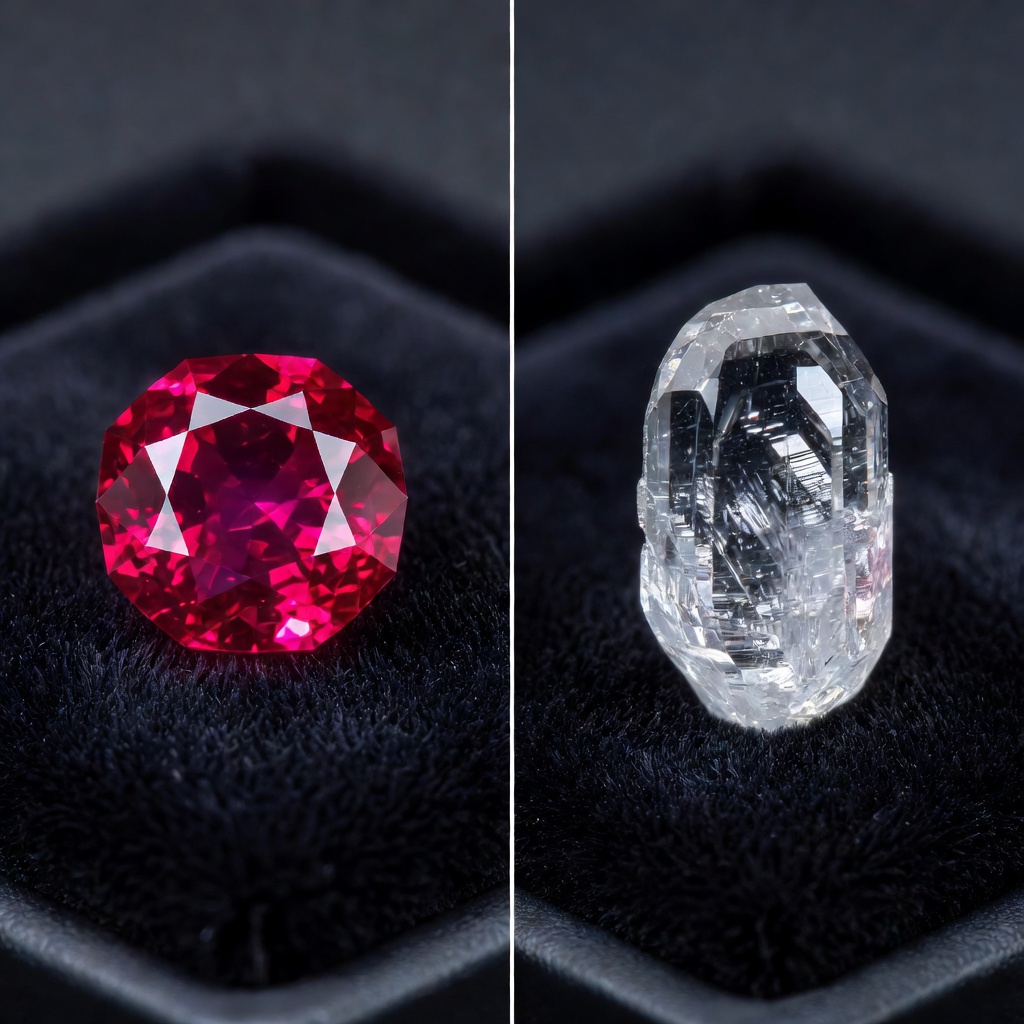
When selecting a centerpiece for fine jewelry or an engagement ring, diamonds have long reigned supreme as the ultimate symbol of eternal commitment and luxury. However, discerning collectors and modern couples increasingly seek alternatives that offer distinctive personality beyond the conventional brilliance of a colorless stone. Enter the color change garnet, a rare pyrope spessartine variety that delivers one of the most dramatic optical phenomena in the gem world—the legendary alexandrite effect. This remarkable stone shifts between blue-green daylight hues and rich purplish-red tones under incandescent lighting, offering a dynamic, conversation-starting alternative to diamond's static sparkle. As the market for alternative engagement ring stones continues to expand, understanding the nuanced differences between these two exceptional gems becomes essential for making an informed investment.
The Science Behind the Color Change Phenomenon
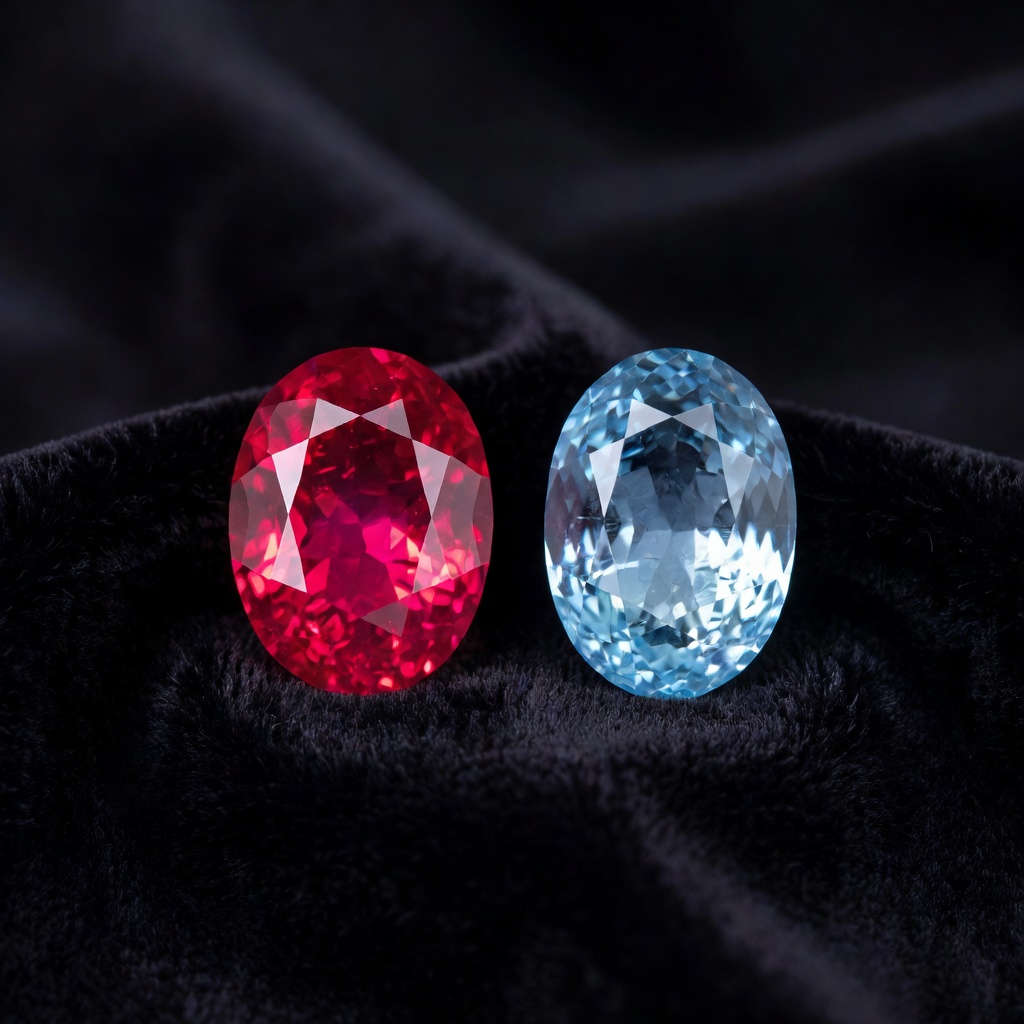
The mesmerizing transformation displayed by color shifting gems stems from complex chemical interactions within the crystal lattice. Specifically, color change garnets contain trace amounts of vanadium and chromium, elements that selectively absorb different wavelengths of light depending on the illumination source. Under daylight conditions measuring approximately 5500K, these alexandrite effect gemstones appear blue-green because the chemical structure absorbs red and yellow wavelengths while transmitting blue and green. Conversely, under incandescent lighting around 3200K—which contains higher concentrations of red wavelengths—the same stone appears purplish-red as the balance of transmitted light shifts dramatically.
Diamonds, by contrast, possess static optical properties that remain consistent regardless of lighting environment. Their brilliance depends entirely on cut precision and the material's inherent refractive index, creating predictable fire and scintillation without chromatic variation. For collectors fascinated by optical phenomena, this fundamental difference defines the choice between diamond vs color change garnet: one offers unwavering, crystalline perfection while the other provides a living, chameleon-like personality that responds to its environment. Gemologists often demonstrate this effect to clients using dual-light source examination rooms, revealing how a single stone can appear as two completely different gems within seconds.
Physical Properties and Optical Performance
Understanding the technical specifications reveals why these stones create distinctly different visual experiences despite both ranking as premium jewelry materials. Diamond boasts a refractive index of 2.42, the highest of any natural transparent gemstone, which creates that characteristic "crushed ice" brilliance and exceptional light return. Color change garnet typically registers between 1.74 and 1.76 on the refractive index scale, similar to other garnet species, producing a softer, more velvety luster rather than diamond's explosive sparkle. This lower refractive index actually benefits the garnet's color change display, as it allows deeper penetration of light to interact with the vanadium and chromium chromophores responsible for the alexandrite effect.
Regarding fire and dispersion—the separation of white light into spectral colors—diamond maintains superiority with a dispersion rating of 0.044 compared to garnet's approximately 0.027. However, this technical advantage does not necessarily translate to superior beauty, as color change garnets compensate with profound body color and the dramatic hue shift that diamonds cannot replicate. Clarity characteristics also differ significantly between these stones. While diamonds often contain unique inclusions like feathers, clouds, or crystals that gemologists use for identification, high-quality pyrope spessartine garnets frequently exhibit exceptional clarity with minimal visible inclusions, though they may contain characteristic needle-like rutile or horsetail inclusions that confirm natural origin.
Durability, Hardness and Everyday Wearability
Gemstone hardness comparison represents one of the most critical factors for jewelry intended for daily wear, particularly engagement rings subjected to constant exposure. Diamond sits at the apex of the Mohs hardness scale with a perfect 10, making it resistant to scratching from virtually any other material except another diamond. Color change garnet ranks between 6.5 and 7.5 on the same scale, meaning it can be scratched by harder substances including quartz (7), topaz (8), corundum (9), and obviously diamond itself. While this hardness difference seems substantial, garnet durability remains adequate for jewelry use when proper precautions are observed.
However, hardness tells only part of the durability story. Diamonds possess perfect cleavage in four directions, making them susceptible to chipping or breaking if struck at specific angles despite their scratch resistance. Garnets lack this perfect cleavage, displaying instead a conchoidal fracture pattern that generally makes them tougher and less prone to catastrophic damage from accidental impacts. For clients considering alternative engagement ring stones, this means color change garnets require protective settings—such as bezels, partial bezels, or halo designs—to shield the girdle and corners from direct blows, whereas diamonds tolerate more exposed prong settings. Individuals working in hands-on professions should consider removing garnet rings during heavy labor, while diamonds typically withstand such rigors with minimal risk.
Rarity, Sourcing and Ethical Considerations
The geographic origins of premium color change garnets significantly influence both their value and their ethical profile in the modern marketplace. The most prized specimens emerge from Bekily in Madagascar, producing stones with intense blue-green to purple-red shifts, while Tanzania and Sri Lanka also yield exceptional material with slightly different color profiles. These rare garnet varieties typically come from small-scale, artisanal mining operations that employ minimal mechanization and direct community involvement. This stands in stark contrast to industrial diamond mining, which, despite improvements through the Kimberley Process, continues to face scrutiny regarding environmental impact and labor practices in certain regions.
Supply scarcity drives the exclusivity of fine color change garnets, as gem-quality rough with strong color change represents less than 1% of total garnet production. Unlike diamonds, which benefit from extensive marketing and controlled distribution channels, these garnets reach the market through limited dealer networks and specialized auctions. For ethically conscious consumers, this means color change garnets often offer a more transparent supply chain with lower environmental footprints, though buyers should still request documentation regarding specific mine origins. The extreme scarcity of large, clean specimens over three carats makes these stones particularly attractive to collectors seeking unique treasures that cannot be replicated or mass-produced.
Pricing, Value and Investment Potential
Market dynamics reveal fascinating divergences between these two gemstone categories when analyzing cost and long-term value retention. Commercial-grade diamonds typically command higher per-carat prices than color change garnets across all size ranges, with premium D-color, internally flawless diamonds reaching tens of thousands per carat. However, the color change garnet price spectrum varies dramatically based on the intensity of the color shift, with mediocre stones showing subtle changes available for a few hundred dollars per carat, while exceptional Bekily material with dramatic shifts can exceed $5,000 per carat for fine specimens.
Liquidity represents a crucial distinction for investment-minded buyers. Diamonds benefit from established resale markets, immediate liquidity through buyback programs, and standardized pricing guides, making them relatively easy to sell when necessary. Conversely, rare garnets appeal to a specialized collector market, potentially requiring longer selling periods but offering stronger appreciation potential due to absolute scarcity. Investment collectors increasingly view high-quality color change garnets as "sleepers"—undervalued assets likely to appreciate significantly as awareness grows and mines deplete. For engagement ring purposes, diamonds retain symbolic resale value, while color change garnets offer the intangible value of absolute uniqueness that mass-market diamonds cannot match.
Jewelry Design Applications and Setting Requirements
Maximizing the aesthetic potential of these distinct materials requires tailored design approaches that account for their optical and physical differences. Color change garnets perform spectacularly in pendant and earring designs where lighting conditions vary throughout the day, allowing wearers to observe the full spectrum of the alexandrite effect. For ring designs, jewelers often recommend elevated settings that position the stone to catch different light sources, or Art Deco-inspired geometries that complement the gem's dramatic personality. Protective settings become essential for garnet rings, with bezels and halo designs providing impact protection while enhancing the stone's perceived size through color contrast.
Diamonds offer unmatched versatility across all jewelry categories, from delicate pavé bands to bold solitaire statements, thriving in minimal four-prong settings that maximize light entry. When designing with color change garnets, metal choice significantly impacts the perceived color shift; white metals emphasize the blue-green daylight phase, while rose or yellow gold enhance the warm purplish-red incandescent tones. Custom designers often create convertible pieces for garnets, such as pendants with removable bails that allow the stone to be worn as a brooch, maximizing opportunities to observe the color change under various lighting environments. This design flexibility makes garnets ideal for artistic, bespoke creations rather than mass-produced catalog items.
Certification, Authentication and Quality Grading
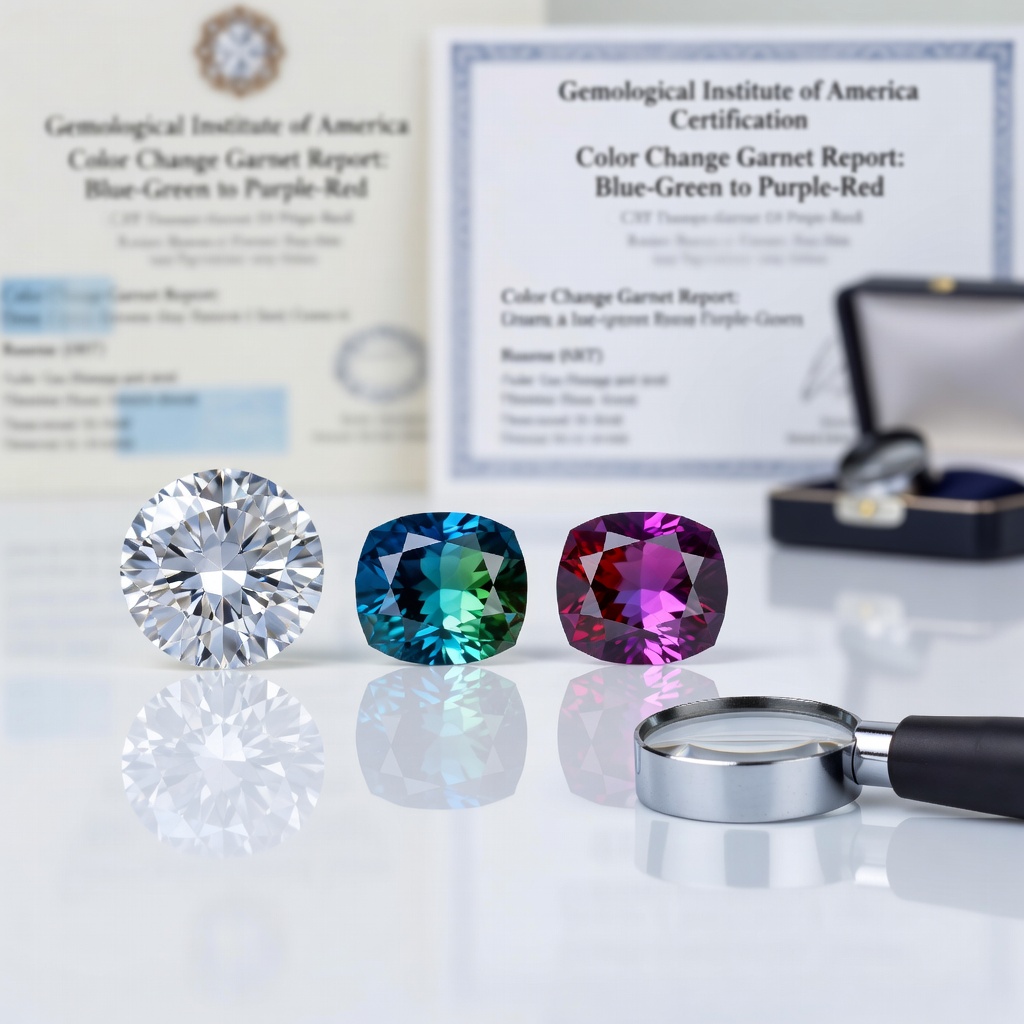
Acquiring significant specimens of either gemstone demands rigorous documentation to ensure authenticity and value retention. Reputable laboratories including the Gemological Institute of America (GIA) and the American Gemological Laboratories (AGL) provide comprehensive reports for color change garnets, specifically noting the degree of color change, lighting conditions tested, and geographic origin when determinable. These reports verify that the stone is natural pyrope spessartine rather than synthetic corundum or glass simulants that occasionally enter the market. For diamonds, GIA grading reports remain the industry standard, evaluating cut, color, clarity, and carat weight with precise consistency.
Identifying treatments requires particular vigilance with both stone types. While color change garnets are rarely treated due to their natural desirability, some specimens may undergo heat treatment to enhance clarity, a practice that should be disclosed in certification. Synthetic alexandrite and color-change sapphire sometimes masquerade as garnets to unwary buyers, necessitating refractive index testing and inclusion examination by qualified gemologists. When purchasing high-value specimens, insist on origin reports for garnets and laser inscription verification for diamonds. Documentation should include photomicrographs of characteristic inclusions, spectral analysis confirming vanadium content in garnets, and specific notation of any color enhancement treatments.
Care, Maintenance and Longevity
Proper maintenance protocols differ significantly between these gemstones due to their distinct physical properties and chemical compositions. Diamond maintenance is relatively straightforward; these stones withstand ultrasonic cleaners, steam cleaning, and ammonia-based solutions without damage, making them ideal for busy lifestyles requiring minimal jewelry care. However, color change garnets demand gentler treatment consistent with their moderate hardness and potential sensitivity to thermal shock. Clean these stones using warm water with mild dish soap and a soft-bristled brush, avoiding ultrasonic vibrations that might loosen settings or exacerbate existing fractures within the garnet structure.
Storage practices also vary between the two materials. Diamonds can scratch virtually any other gemstone, necessitating separate storage compartments to prevent damage to softer jewelry pieces. Store color change garnets in individual soft pouches away from harder stones, and avoid exposing them to extreme heat sources such as jewelry steamers or saunas which might affect their structural integrity. Professional maintenance schedules should include annual inspections for loose prongs or bezel wear, particularly important for garnet rings given their softer nature. While diamonds require periodic repolishing only if severely abraded, garnets may benefit from professional repolishing every five to seven years if worn daily, restoring their luster after accumulating minor surface scratches from normal wear.
Comparative Analysis: Diamond Versus Color Change Garnet
When evaluating these exceptional gemstones side by side, several key characteristics distinguish their suitability for different applications and wearer preferences. The following comparison highlights critical factors that influence selection decisions:
| Characteristic | Diamond | Color Change Garnet |
|---|---|---|
| Mohs Hardness | 10 (Maximum hardness) | 6.5-7.5 (Moderate hardness) |
| Refractive Index | 2.42 (Exceptional brilliance) | 1.74-1.76 (Soft luster) |
| Optical Phenomenon | Static brilliance and fire | Alexandrite effect (color shifting) |
| Price Range (Per Carat) | $3,000-$30,000+ (depending on quality) | $500-$5,000+ (depending on shift intensity) |
| Ideal Setting Style | Prong settings, exposed designs | Bezel or halo for protection |
| Cleaning Method | Ultrasonic, steam, chemical safe | Warm soapy water only; no ultrasound |
| Rarity Factor | Controlled availability; commercially abundant | Extremely rare; limited deposits |
| Best Application | Daily wear engagement rings, heirloom pieces | Special occasion jewelry, collector specimens |
Frequently Asked Questions
Is Color Change Garnet Hard Enough for an Engagement Ring?
While color change garnet ranks 6.5-7.5 on the Mohs hardness scale compared to diamond's 10, it is suitable for engagement rings with protective settings like bezels or halos. However, it requires more careful wear than diamond and isn't ideal for hands-on professions without proper protection. Couples choosing this stone for daily wear should consider their lifestyle; office professionals and those with less physically demanding routines can successfully wear garnet engagement rings for decades with proper care, while construction workers, medical professionals, or athletes might experience accelerated wear without removing the ring during activities.
What Causes the Color Change in These Garnets?
The color change phenomenon, known as the alexandrite effect, occurs due to trace amounts of vanadium and chromium in the pyrope-spessartine garnet structure. These elements absorb different wavelengths of light, appearing blue-green in daylight (rich in blue wavelengths) and purplish-red under incandescent light (rich in red wavelengths). The specific balance of these trace elements determines the intensity of the color shift, with stones containing higher vanadium content typically displaying more dramatic changes. This chemical composition makes each color change garnet unique, as the exact trace element concentrations vary by specific mine location and individual crystal formation conditions.
Which Is More Expensive: Diamond or Color Change Garnet?
High-quality diamonds generally command higher prices per carat than color change garnets, especially for larger sizes. However, rare, intensely color-changing garnets from specific localities like Bekily, Madagascar can approach or exceed the price of commercial-grade diamonds due to extreme scarcity. Investment-grade diamonds with D-color and flawless clarity maintain premium pricing, while commercial-grade diamonds (I-J color, SI clarity) may actually cost less per carat than fine color change garnets exhibiting strong color shifts in sizes over two carats. The price hierarchy ultimately depends on specific quality parameters rather than categorical generalizations about the materials themselves.
How Can I Tell if a Color Change Garnet Is Real or Synthetic?
Authentic color change garnets should be accompanied by certification from reputable labs like GIA or AGL. Natural specimens typically contain characteristic inclusions visible under magnification, while synthetics may show curved growth lines or unusual clarity. Professional gemological testing is essential for verification. Natural garnets often display a distinctive "horsetail" inclusion pattern or crystal inclusions of apatite or zircon, whereas synthetic flux-grown or hydrothermal garnets appear too clean or display curved color banding. Additionally, synthetic color-change corundum (sapphire) sometimes substitutes for garnet, distinguishable by its higher refractive index and different specific gravity measurements that laboratory testing easily identifies.
Does Color Change Garnet Look Exactly Like Alexandrite?
While both exhibit the alexandrite effect, color change garnets typically show a shift from blue-green to purple-red, whereas alexandrite shifts from green to red. Garnets often display stronger saturation but may lack the subtle teal tones of fine alexandrite. They are distinct gemstones with different chemical compositions. Alexandrite belongs to the chrysoberyl family and typically commands significantly higher prices due to its extreme rarity, while color change garnet offers a more accessible entry point into alexandrite effect gemstones. Experienced gemologists can distinguish them immediately by refractive index testing, as alexandrite measures 1.74-1.75 (similar to garnet) but belongs to a different crystal system with distinct pleochroism characteristics.
Can I Clean Color Change Garnet Jewelry the Same Way as Diamond Jewelry?
No, diamonds can withstand ultrasonic cleaners and steam cleaning, but color change garnets should be cleaned gently using warm soapy water and a soft brush. Avoid harsh chemicals, extreme heat, and ultrasonic vibrations which may damage the garnet or its setting. The thermal shock from steam cleaning can potentially fracture garnets due to internal stress or existing inclusions, whereas diamonds remain unaffected by temperature variations within normal environmental ranges. For routine maintenance at home, prepare a solution of lukewarm water with mild dish detergent, soak the jewelry for fifteen minutes, gently brush with a soft toothbrush focusing on the underside of the stone where dirt accumulates, and pat dry with a lint-free cloth.
What Is the Best Cut for Maximizing Color Change in Garnets?
Mixed cuts and brilliant cuts with deeper pavilions work best for color change garnets, as they maximize light return and color saturation. The cut should be optimized to display both color phases equally well, unlike diamonds where the cut prioritizes white light return and fire. Step cuts such as emeralds or Asscher styles often fail to adequately display the color change phenomenon because they leak light through the table rather than returning it to the eye. Master cutters working with fine color change rough often sacrifice some carat weight to achieve optimal depth percentages between 65-75%, ensuring that light interacts sufficiently with the chromophores to display both color phases vividly regardless of viewing angle.