Diamond vs Citrine: A Comprehensive Guide to Two Distinct Gemstones
When exploring the world of precious and semi-precious stones, the comparison between diamond and citrine represents one of the most striking contrasts in the gemstone market. While both gems can display captivating yellow and golden hues that catch the light beautifully, they occupy vastly different positions regarding rarity, durability, and value. Understanding the fundamental differences between these two stones helps consumers make informed decisions whether they are selecting an engagement ring, birthstone jewelry, or investment pieces. This guide provides detailed insights into the physical properties, optical performance, market value, and practical applications of both diamonds and citrine to help you determine which gemstone best suits your specific needs and lifestyle.
Diamond vs Citrine: Understanding Two Distinct Gemstones
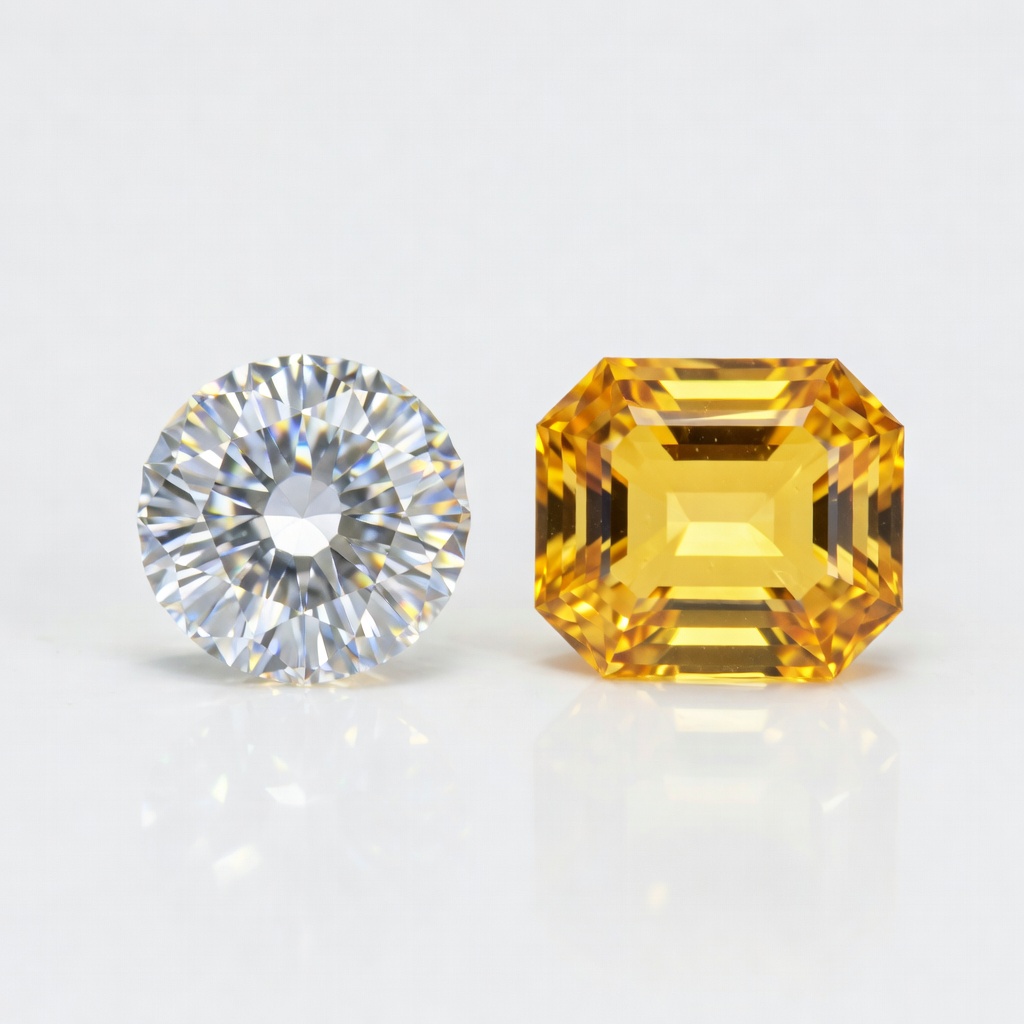
At first glance, yellow diamonds and citrine might appear similar to the untrained eye, yet they represent completely different mineral families with distinct formation processes. Diamonds form under extreme pressure and temperature conditions approximately 90 to 120 miles beneath the earth's surface, consisting of pure carbon atoms arranged in an isometric crystal structure that creates exceptional hardness. Citrine, conversely, belongs to the quartz family as a variety of silicon dioxide that crystallizes in hydrothermal veins and geodes at much shallower depths, making it significantly more abundant in nature. Consumers often compare these gemstones when seeking warm-toned jewelry options or affordable alternatives to fancy colored diamonds, particularly for fashion pieces or November birthstone gifts.
The primary differentiators between diamond and citrine extend beyond mere appearance into realms of geological rarity, structural integrity, and optical physics. While a high-quality yellow diamond might command prices exceeding $10,000 per carat due to its scarcity and superior light performance, citrine remains accessible at $10 to $100 per carat depending on color saturation and clarity. These divergent price points reflect not only supply and demand economics but also fundamental differences in hardness, brilliance, and longevity that affect how each gemstone performs in jewelry settings over decades of wear.
Physical and Chemical Composition
Understanding the atomic structure of diamond versus citrine reveals why these gemstones behave so differently under stress, heat, and daily wear conditions. Diamond consists of 99.95% pure carbon arranged in a cubic crystal system where each carbon atom bonds covalently with four neighbors, creating the strongest natural substance known to science with a perfect 10 on the diamond hardness Mohs scale. This exceptional hardness, combined with a density of 3.52 grams per cubic centimeter, allows diamonds to receive precision cuts that maximize light return while resisting scratches from virtually any other material they might encounter.
Citrine represents a variety of macrocrystalline quartz with the chemical formula SiO₂, crystallizing in the trigonal system with a hardness of 7 on the Mohs scale and a lower density of 2.65 grams per cubic centimeter. While 7 Mohs hardness provides adequate durability for many jewelry applications, the significant gap between diamond and citrine hardness becomes apparent when considering long-term wear; materials like dust, which often contains quartz particles, can gradually abrade citrine surfaces over years of exposure. The structural differences also manifest in cleavage planes—diamond possesses perfect cleavage in four directions, requiring expert cutting to avoid fractures, while citrine exhibits conchoidal fracture patterns typical of quartz minerals.
Comparative Analysis: Diamond vs Citrine Properties
| Property | Diamond | Citrine |
|---|---|---|
| Chemical Composition | Pure Carbon (C) | Silicon Dioxide (SiO₂) |
| Mohs Hardness | 10 (Highest Rating) | 7 |
| Crystal System | Cubic/Isometric | Trigonal |
| Density (g/cm³) | 3.52 | 2.65 |
| Refractive Index | 2.42 | 1.54 |
| Dispersion | 0.044 (High Fire) | 0.013 (Low Fire) |
| Average Price per Carat | $1,500 - $12,000+ | $10 - $100 |
| Durability for Daily Wear | Excellent | Moderate |
Optical Characteristics and Light Performance
The visual distinction between citrine vs yellow diamond becomes immediately apparent when observing how each gemstone interacts with light. Diamonds possess a remarkably high refractive index of 2.42, meaning they bend light entering the stone significantly, combined with a dispersion rating of 0.044 that separates white light into spectral colors creating the famous "fire" effect. When a skilled cutter optimizes a diamond's proportions, the stone returns up to 98% of incident light through the crown, producing the brilliance and scintillation patterns that have made diamonds the standard for fine jewelry over centuries.
Citrine exhibits a refractive index of 1.54, similar to other quartz varieties, which produces a more subdued luster rather than the explosive brilliance characteristic of diamond. While high-quality citrine can display attractive vitreous luster and transparent clarity, it lacks the dispersion necessary to create rainbow flashes of color, instead presenting a consistent golden-yellow glow that many collectors find warm and appealing. Cut quality affects both stones significantly—an ideally cut citrine in a step-cut style might emphasize its clarity and color purity, while a brilliant-cut diamond maximizes light return; however, even a poorly cut diamond typically outperforms citrine in terms of optical intensity due to inherent material properties.
Color Variations and Quality Grading
Color evaluation represents one of the most complex aspects when comparing these gemstones, as both offer yellow hues but through completely different mechanisms and grading standards. Diamonds follow the D-to-Z color scale for white stones, with fancy yellow diamonds representing a separate category where intense saturation actually increases value rather than decreasing it. Natural fancy yellow diamonds receive color grades from Fancy Light through Fancy Vivid, with Vivid Yellow stones commanding premium prices exceeding $20,000 per carat for larger sizes, while their color results from nitrogen atoms substituting for carbon in the crystal lattice.
Citrine gemstone properties include natural color ranges from pale yellow to deep orange-brown, though the vast majority of commercial citrine on the market actually results from heat-treating purple amethyst or smoky quartz to achieve the desirable golden-yellow tones. Unlike diamond, where untreated natural color significantly impacts value, heat-treated citrine remains widely accepted in the trade provided sellers disclose the treatment. When evaluating citrine color, gemologists look for medium to dark tone with strong saturation free from brownish tints, whereas diamond color grading focuses on the absence of color for white stones or the purity and intensity of hue for fancy colors.
Price and Market Value Comparison
The economic disparity between diamond and citrine reflects fundamental supply chain differences and consumer demand patterns that have developed over decades of marketing and cultural significance. Diamond pricing operates through the established 4Cs system (Cut, Color, Clarity, Carat), with even modest quality one-carat stones typically ranging from $1,500 to $12,000 depending on certification and retailer markup. This pricing structure incorporates mining costs, cutting expertise, grading fees from laboratories like GIA or AGS, and the controlled supply mechanisms that have characterized the diamond industry for generations.
Citrine affordability stems from its abundance as a quartz variety found in significant deposits across Brazil, Bolivia, and Madagascar, with prices typically ranging from $10 to $100 per carat even for larger, eye-clean specimens. This accessibility makes citrine an excellent diamond alternative for fashion jewelry, cocktail rings, and statement pieces where the warm color mimics fancy yellow diamonds at a fraction of the cost. However, potential buyers should understand that while citrine offers immediate aesthetic appeal, it does not represent a store of value like diamond; the market dynamics of synthetic diamonds versus natural citrine create interesting contrasts, as laboratory-grown diamonds maintain relatively high prices due to diamond's established luxury status, while citrine prices remain low regardless of natural or treated origin.
Jewelry Applications and Durability in Daily Wear
Practical jewelry design considerations diverge significantly when working with diamond versus citrine due to their disparate hardness levels and wear characteristics. Diamond's unmatched hardness makes it the ideal candidate for engagement rings and daily wear pieces that must withstand decades of contact with hard surfaces, household dust, and occasional impacts without losing polish or developing surface scratches. Jewelers typically set diamonds in prong settings that maximize light exposure and brilliance, confident that the stone can endure the mechanical stress of holding claws over many years.
Quartz vs diamond durability concerns become paramount when considering citrine for ring settings, as its 7 Mohs hardness renders it susceptible to scratching from everyday encounters with metal surfaces, silica dust, and even other jewelry pieces. While citrine works beautifully for pendants, earrings, and brooches that experience minimal abrasion, ring designs require protective bezel settings or occasional wear schedules to maintain the stone's polish. Case studies from jewelry repair shops consistently show citrine rings requiring repolishing after five to ten years of daily wear, whereas diamond rings maintain their original finish indefinitely with basic cleaning, making the initial investment differential meaningful for heirloom-quality pieces intended for generational transfer.
Birthstone Significance and Metaphysical Beliefs
Cultural and spiritual associations add layers of meaning to both gemstones that influence consumer preferences beyond pure physical properties. Diamond serves as the April birthstone and the traditional gemstone for 60th and 75th wedding anniversaries, symbolizing eternal love, invincibility, and unbreakable commitment across numerous cultures and historical periods. Ancient Romans believed diamonds were splinters of falling stars, while Hindu texts reference diamonds as weapons of the gods, cementing their status as the ultimate symbol of strength and purity in romantic contexts.
November birthstone citrine carries equally rich symbolism, though centered on abundance, prosperity, and positive energy rather than romantic permanence. Known historically as the "merchant's stone," citrine has long been associated with financial success and manifesting wealth, with crystal healing practitioners recommending it for solar plexus chakra activation and confidence building. While diamond is believed to enhance mental clarity and amplify the energies of other stones in metaphysical circles, citrine is thought to dispel negative energy and attract joy without needing cleansing like some other crystals. These spiritual distinctions often guide consumers seeking stones that align with personal intentions, with diamond chosen for commitment ceremonies and citrine selected for business success or creative endeavors.
Care and Maintenance Requirements
Maintenance protocols differ substantially between these gemstones due to their chemical stability and physical durability characteristics. Diamond requires minimal care beyond occasional cleaning to remove skin oils and soap residue that can dull its surface; ultrasonic cleaners and steam cleaning prove safe for most diamonds, though fracture-filled or treated stones require gentler methods. The stone's chemical inertness means it resists damage from household chemicals, heat, and light exposure, allowing owners to wear diamonds continuously without concerns about environmental degradation.
Citrine demands more attentive care to preserve its appearance over time, as prolonged exposure to direct sunlight can fade its golden color, particularly in heat-treated specimens. Thermal shock presents another risk, as rapid temperature changes can cause fractures in quartz crystals, meaning citrine should never be steam cleaned or subjected to ultrasonic vibrations that might exacerbate existing inclusions. Practical care tips include storing citrine jewelry separately from harder stones like diamond or sapphire to prevent scratching, cleaning with warm soapy water and soft brushes only, and removing citrine rings before household cleaning or extended sun exposure. These maintenance differences represent important lifestyle considerations for buyers deciding between these diamond alternatives for everyday wear.
Investment Value and Resale Market
The financial trajectory of diamond versus citrine ownership diverges dramatically when examining secondary markets and long-term value retention. Diamond maintains an established resale infrastructure through auction houses, estate jewelers, and online platforms, with certified stones typically retaining 50% to 70% of their retail value depending on market conditions and the quality of original documentation. GIA or AGS certification proves essential for investment-grade diamonds, as these documents verify the 4Cs characteristics that determine liquidity in the secondary market, making diamonds one of the few consumer goods that can appreciate or maintain value over decades.
Gemstone investment value considerations should exclude citrine for serious portfolio diversification, as the stone's abundance and low entry price point result in negligible resale markets and virtually no appreciation potential. While rare natural citrine with exceptional color might command slightly higher prices among collectors, the vast majority of citrine jewelry sells for scrap metal value plus minimal stone value if resold. This reality does not diminish citrine's worth as a beautiful decorative material, but buyers should approach purchases with the understanding that they are acquiring consumable luxury goods rather than appreciating assets, unlike diamonds which can serve as both adornment and store of value.
Making the Right Choice: Selection Guide
Selecting between diamond and citrine ultimately requires honest assessment of budget constraints, lifestyle factors, and aesthetic preferences that will determine satisfaction with your purchase. For milestone jewelry such as engagement rings, anniversary bands, or heirloom pieces intended for daily wear across generations, diamond remains the superior choice despite higher initial costs, as its durability and timeless appeal justify the investment over a lifetime of wear. Active individuals, healthcare workers, or those in manual professions should prioritize diamond's scratch resistance, while those with sedentary lifestyles or who frequently change jewelry might find citrine perfectly adequate for occasional wear.
Budget-conscious buyers seeking the warm glow of yellow gemstones without the premium pricing of fancy diamonds should consider citrine for fashion jewelry, cocktail rings, or earrings where the risk of damage remains minimal. The stone's affordability allows for larger carat weights and bolder designs that might prove prohibitively expensive in diamond, making it ideal for trend-driven pieces or travel jewelry where loss concerns outweigh investment considerations. When making your final decision, visit reputable jewelers to compare these stones side-by-side under various lighting conditions, examining how each performs in the specific setting style you prefer, whether that means the eternal brilliance of diamond or the sunny disposition of citrine.
Frequently Asked Questions
Which gemstone is harder, diamond or citrine?
Diamond is significantly harder with a perfect 10 on the Mohs scale, while citrine rates 7. This means diamond can scratch citrine easily, but citrine cannot scratch diamond. For daily wear jewelry like engagement rings, diamond's superior hardness makes it far more resistant to scratches and abrasion over time.
Can citrine be used as a diamond alternative for engagement rings?
While citrine is an affordable diamond alternative visually, it's not recommended for engagement rings due to its 7 Mohs hardness. It will scratch and lose polish over time with daily wear. For occasional wear or promise rings it's suitable, but for lifelong daily wear, diamond or harder alternatives like sapphire are better choices.
How can I visually distinguish between citrine and yellow diamond?
Yellow diamonds exhibit exceptional brilliance with rainbow fire flashes due to their high refractive index (2.42). Citrine shows subtler, more mellow yellow-orange tones with less sparkle. Under magnification, diamonds often show natural inclusions while citrine may display characteristic quartz growth patterns. Professional gemological testing is recommended for certainty.
Why is citrine so much cheaper than diamond?
Citrine is abundant quartz, with many sources worldwide and synthetic production keeping prices low ($10-$100/carat). Diamond's rarity, controlled mining, high marketing costs, and superior optical/physical properties drive prices to $1,500-$12,000+ per carat. Additionally, diamond's established resale market and cultural significance as a luxury item maintain its premium pricing.
Does citrine hold any value compared to diamond?
Citrine holds minimal investment value and negligible resale value compared to diamond. While beautiful for jewelry, its abundance means it doesn't appreciate. Diamonds with proper certification (GIA) retain 50-70% of retail value. Citrine is best purchased for aesthetic enjoyment rather than investment purposes.
What are the spiritual meanings of diamond versus citrine?
Diamond symbolizes eternal love, clarity, and invincibility, making it April's birthstone. In crystal healing, it's believed to enhance mental clarity. Citrine, November's birthstone, represents prosperity, joy, and positive energy, often called the 'merchant's stone' for its association with abundance and wealth manifestation.
Which stone is better for everyday jewelry like necklaces and earrings?
Both work well for necklaces and earrings since these pieces experience less impact than rings. Citrine is excellent for occasional-wear statement pendants and earrings due to its affordability and warm color. Diamond remains superior for heirloom pieces and daily wear because it maintains its polish and brilliance indefinitely, even with minimal care.
How do I care for citrine versus diamond jewelry?
Diamond requires minimal care: ultrasonic cleaning is safe and it resists most chemicals. Citrine needs gentler treatment—avoid ultrasonic cleaners, harsh chemicals, and prolonged sunlight which can fade its color. Clean citrine with warm soapy water and soft brush. Store both separately, but citrine especially needs protection from harder stones to prevent scratching.