Understanding the Diamond vs Chocolate Diamond Debate
The jewelry world has witnessed a fascinating shift in consumer preferences over the past two decades, with chocolate diamonds emerging as a compelling alternative to traditional colorless stones in luxury collections. When considering diamond vs chocolate diamond options, modern buyers face a nuanced decision that extends beyond mere aesthetics into questions of value, rarity, and personal expression. This comparison has become particularly relevant for couples selecting engagement rings and collectors seeking distinctive investment pieces that stand apart from conventional choices. Understanding the fundamental differences between these gemstones empowers you to make an informed purchasing decision that aligns with your budget, style preferences, and long-term expectations.
What Are Traditional Diamonds? The Classic Standard
Traditional diamonds form deep within the earth's mantle under extreme pressure and temperature conditions over billions of years, creating the crystalline carbon structures that have captivated humanity for centuries. These natural diamonds typically range from colorless to near-colorless on the D-to-Z grading scale established by the Gemological Institute of America, with completely colorless stones commanding the highest premiums in the marketplace. The universal 4Cs grading system evaluates Cut, Clarity, Color, and Carat weight to determine quality, providing consumers with standardized metrics to compare stones across different retailers and regions. Market positioning establishes these traditional stones as the premier gemstone for engagement rings and fine jewelry, with typical price ranges varying from $3,000 to $25,000 per carat for high-quality specimens, driven primarily by rarity, optical performance, and cultural significance.
When examining the geological formation of these stones, one discovers that only a small percentage of mined diamonds possess the colorless clarity that defines traditional luxury standards. The grading process involves rigorous examination under controlled lighting conditions, with expert gemologists assessing how minute inclusions and color variations affect both beauty and value. Investment-grade diamonds typically fall within the D-F color range and VS clarity or higher, ensuring maximum brilliance and fire that have become synonymous with eternal love and commitment in Western culture. Understanding these established benchmarks provides essential context when comparing traditional stones to their brown counterparts in the current marketplace.
Chocolate Diamonds Explained: More Than Just Brown Stones
Chocolate diamonds represent a specific category of brown diamonds that have been branded and marketed exclusively by Le Vian, transforming what were once considered industrial-grade stones into coveted luxury items. These gemstones display a rich color spectrum ranging from light champagne and honey tones to deep cognac and the signature chocolate hue that gives them their appetizing name. The historical journey of these stones reflects a remarkable marketing success story, as brown diamonds constituted the majority of diamond mine output yet were historically relegated to industrial cutting and drilling applications due to perceived lower aesthetic value. Le Vian's strategic rebranding campaign in the early 2000s fundamentally altered consumer perception, positioning brown diamonds as exotic, warm alternatives to traditional icy whites through celebrity endorsements and distinctive jewelry designs.
The trademarked terminology distinguishes Le Vian chocolate diamonds from generic brown diamonds available in the broader market, creating a proprietary category with specific quality standards and marketing cachet. Unlike traditional diamonds where colorlessness indicates premium quality, chocolate diamonds derive their value from the intensity and consistency of their brown coloration, with deeper, richer tones generally commanding higher prices within this category. The transformation from industrial cast-off to fashion-forward luxury item demonstrates how strategic branding can create new markets for abundant natural resources, offering consumers access to genuine diamond beauty at more accessible price points while maintaining the prestige of luxury jewelry ownership.
Visual Characteristics: Color Science and Appearance
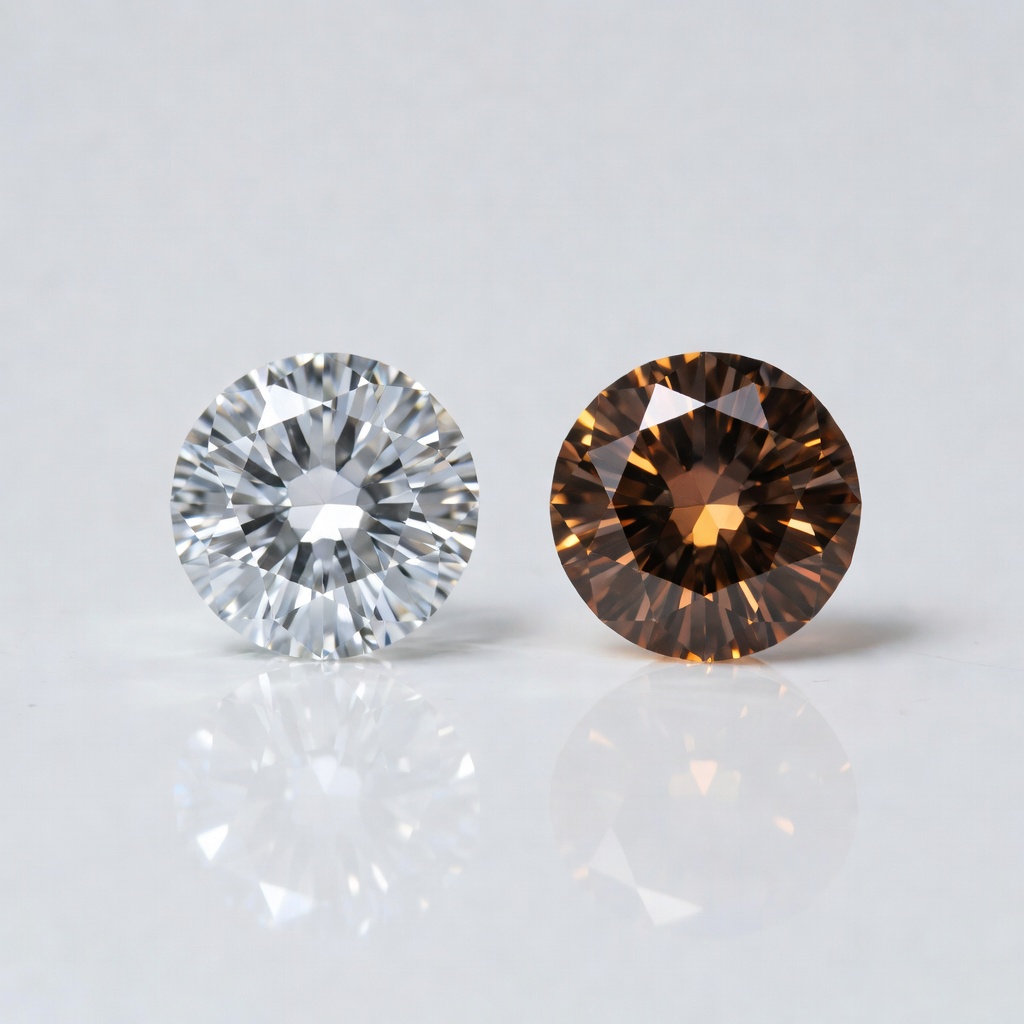
The visual distinction between traditional and chocolate diamonds stems from fundamentally different approaches to color grading and optical performance within the fancy color diamonds category. Traditional diamonds undergo evaluation on the D-to-Z scale, where absence of color indicates premium quality, whereas chocolate diamonds fall under the fancy color classification system that celebrates and grades color presence and intensity. The brown coloration results from specific geological phenomena including internal structural graining and plastic deformation during the diamond's formation, combined with nitrogen lattice defects that absorb light differently than in colorless stones, creating the warm hues that characterize these unique gems.
Within the chocolate diamond spectrum, subtle variations produce distinct aesthetic experiences: Cognac diamonds exhibit deep, reddish-brown tones reminiscent of fine brandy; Honey diamonds display lighter, golden-brown warmth; and Cinnamon stones offer spicy, medium-brown intensity that changes appearance under different lighting conditions. Consumer psychology increasingly favors these warm tones for their ability to complement rose gold settings and vintage-inspired designs, reflecting broader fashion trends toward individuality and non-traditional luxury expressions. The brilliance and fire of chocolate diamonds differ from traditional stones, as the body color interacts with light return to create a softer, more subdued sparkle that many find romantic and distinctive rather than inferior to colorless alternatives.
Comparative Analysis: Traditional vs. Chocolate Diamonds
| Characteristic | Traditional Diamonds | Chocolate Diamonds |
|---|---|---|
| Color Grading System | D-to-Z Scale (Colorless to Light Yellow) | Fancy Color Scale (Light to Dark Brown) |
| Average Price per Carat | $5,000 - $20,000+ (High Quality) | $1,500 - $5,000 (Le Vian Branded) |
| Rarity Factor | Extremely Rare in D-F Color Range | Abundant in Nature, Selectively Branded |
| Investment Liquidity | High Resale Value and Market Demand | Limited Secondary Market, Brand Dependent |
| Optimal Metal Pairing | White Gold, Platinum for Maximum Contrast | Rose Gold, Yellow Gold for Warmth Enhancement |
| Certification Standards | GIA Standard Grading Reports | GIA Fancy Color Reports + Le Vian Authentication |
| Market Perception | Classic, Timeless, Traditional Luxury | Fashion-Forward, Unique, Contemporary Style |
| Inclusion Visibility | High Clarity Essential for Value | Color Masking Allows Lower Clarity Grades |
Quality Grading and Certification Standards
Diamond grading processes for traditional and brown stones follow similar fundamental principles while diverging significantly in how specific characteristics are weighted and evaluated. The Gemological Institute of America certifies both varieties, issuing detailed reports that document carat weight, clarity, cut quality, and color, though chocolate diamonds receive fancy color designations that describe their specific brown hue intensity rather than placement on the D-to-Z scale. Clarity considerations become particularly nuanced with chocolate diamonds, as the body color naturally masks certain inclusions that would be readily visible in colorless stones, potentially allowing buyers to select lower clarity grades without compromising visual beauty.
Cut quality impacts brown diamonds differently than traditional stones, with specific angles and proportions designed either to minimize color saturation for lighter champagne tones or maximize depth for rich cognac appearances. Le Vian diamonds undergo additional proprietary quality assessments beyond standard GIA certification, ensuring that stones bearing their trademarked name meet specific color consistency, clarity, and cutting standards that justify brand premiums. When evaluating certification documents, consumers should verify that brown diamonds explicitly state "Natural" origin to avoid confusion with treated or irradiated stones that attempt to mimic these warm hues artificially, ensuring authentic value and disclosure.
Price Comparison and Value Factors
Understanding diamond pricing reveals significant disparities between traditional white stones and their chocolate counterparts, with brown diamonds typically costing 30 to 50 percent less per carat than equivalent-sized colorless diamonds of similar clarity. This pricing differential stems primarily from supply dynamics, as brown diamonds occur more frequently in nature than high-quality colorless specimens, creating greater availability and competitive pricing. However, the Le Vian brand premium complicates direct comparisons, as their trademarked chocolate diamonds command higher prices than unbranded brown diamonds of identical quality due to marketing investment, exclusive designs, and perceived luxury positioning.
Rarity factors heavily influence long-term valuation, with investment-grade white diamonds maintaining scarcity-driven premiums while chocolate diamonds face market saturation challenges despite branding efforts. Total cost considerations extend beyond the stone itself to encompass setting choices, certification fees, and design complexity, with chocolate diamonds often featured in elaborate, fashion-forward mountings that increase overall jewelry costs despite lower center stone prices. When budgeting for significant purchases, buyers should allocate resources based on priorities: those seeking maximum stone size for their budget may favor chocolate diamonds, while those prioritizing traditional investment value and resale liquidity should anticipate higher expenditures for colorless alternatives.
Investment Potential and Resale Market Analysis
Evaluating chocolate diamond value against traditional stones requires understanding distinct market dynamics that affect liquidity, appreciation potential, and collector interest over time. Historical data indicates that fine white diamonds generally appreciate steadily, serving as portable wealth stores with established secondary markets through auction houses, estate dealers, and buy-back programs. Conversely, chocolate diamonds face limitations in investment contexts due to their abundant natural supply and dependence on brand marketing rather than inherent scarcity, resulting in reduced resale liquidity and typically lower returns compared to traditional diamond investments.
The Le Vian trademark creates unique market conditions wherein branded pieces may retain value better than generic brown diamonds but still underperform compared to high-quality colorless stones in pure investment scenarios. Collectors seeking alternative diamond investments should focus on exceptionally rare specimens within the chocolate category, such as large carat weights with unusual color saturation or historical provenance, rather than standard commercial qualities. Expert recommendations consistently advise treating chocolate diamonds as jewelry for personal enjoyment rather than primary investment vehicles, while reserving traditional D-F color, IF-VVS clarity diamonds for portfolio diversification and wealth preservation strategies.
Jewelry Applications and Design Versatility
The distinctive aesthetic properties of brown diamonds influence jewelry design choices, with specific metal pairings and settings enhancing each stone type's unique characteristics. Traditional diamonds achieve maximum brilliance when set in white gold or platinum, where cool metal tones emphasize the stone's colorless fire and create classic, timeless appearances suitable for formal occasions. Chocolate diamonds radiate warmth and vintage appeal when paired with rose gold or yellow gold settings, creating harmonious color palettes that complement contemporary fashion trends and skin tones with golden or olive undertones.
Popular settings for chocolate diamonds include halo designs that frame the center stone with white diamonds to create contrast, bezel settings that protect the colored stone while emphasizing its depth, and intricate vintage-inspired mountings that enhance the romantic, antique aesthetic. Durability considerations remain consistent across both varieties, as all diamonds score 10 on the Mohs hardness scale, making them suitable for daily wear in engagement rings and statement pieces provided they receive proper setting protection. Current fashion trends show celebrities increasingly selecting brown diamonds for red carpet appearances, normalizing these stones as legitimate luxury alternatives and inspiring mainstream adoption for engagement rings and anniversary gifts.
Smart Buying Guide: What to Consider Before Purchasing
Strategic budget allocation requires honest assessment of purchasing priorities, with Le Vian diamonds offering accessible entry points into diamond ownership for fashion-conscious buyers while traditional stones serve those prioritizing long-term value retention. Verification methods for authentic chocolate diamonds include examining laser inscriptions, requesting Le Vian certificates of authenticity, and purchasing exclusively through authorized retailers to avoid unbranded brown diamonds marketed deceptively under similar terminology. When consulting jewelers, prospective buyers should inquire about sourcing ethics, treatment disclosures, and return policies, specifically asking whether brown diamonds have undergone irradiation or coating processes that artificially enhance color.
Personal style matching determines optimal selection, with traditional diamonds suiting those drawn to classic elegance, timeless symbolism, and maximum brilliance, while chocolate diamonds appeal to individuals seeking unique warmth, contemporary fashion statements, and distinctive non-traditional aesthetics. Practical tip sheets should include comparing stones under various lighting conditions, evaluating how settings affect color appearance, and considering lifestyle factors such as workplace environments or activity levels that might influence setting durability choices. Remember that while chocolate diamonds offer immediate visual impact and cost savings, they represent a fashion choice rather than a traditional investment, requiring alignment with personal values regarding jewelry functionality and symbolic meaning.
Final Verdict: Which Diamond Is Right for You?
The diamond vs chocolate diamond decision ultimately hinges on individual priorities regarding aesthetics, budget constraints, investment goals, and personal symbolism. Traditional diamonds remain the superior choice for buyers seeking timeless elegance, maximum resale liquidity, and universal recognition as symbols of commitment, particularly for classic engagement ring designs intended to last generations. Chocolate diamonds serve those prioritizing unique self-expression, contemporary fashion alignment, and larger stone acquisition within limited budgets, offering genuine diamond beauty with distinctive character that stands apart from conventional choices.
Specific buyer profiles suggest clear recommendations: budget-conscious fashion enthusiasts benefit most from chocolate diamonds in creative settings, while conservative investors and traditionalists should prioritize high-grade colorless stones. Key red flags include retailers unable to provide GIA certification for brown diamonds, prices suspiciously low for claimed Le Vian authenticity, or pressure to purchase without proper documentation. Regardless of selection, informed consumers should prioritize purchasing from established jewelers offering comprehensive warranties, ensuring that whether choosing icy brilliance or warm cognac depth, the investment brings lasting satisfaction and joy.
Frequently Asked Questions
Are chocolate diamonds real diamonds or synthetic stones?
Chocolate diamonds are 100% real, natural diamonds. They are genuine brown diamonds mined from the earth, not synthetic or lab-created. The term 'chocolate diamond' is a trademarked brand name by Le Vian for marketing brown diamonds that meet their specific quality standards.
Why are chocolate diamonds less expensive than white diamonds?
Chocolate diamonds are less expensive primarily due to supply and demand. Brown diamonds are more abundant in nature than high-quality colorless diamonds. Historically considered less desirable, they were often used for industrial purposes until Le Vian's marketing created new consumer demand in the 2000s.
Do chocolate diamonds hold their value over time?
Traditional white diamonds generally hold value better than chocolate diamonds. While Le Vian's branding increased prices, chocolate diamonds typically have lower resale value and liquidity. They are better suited for personal enjoyment than investment purposes, though rare, high-quality specimens may appreciate.
Can chocolate diamonds receive GIA certification?
Yes, chocolate diamonds can be certified by GIA and other major labs. However, GIA grades them as 'fancy color' diamonds with brown hues rather than using the marketing term 'chocolate.' The certification will specify the exact color description (e.g., 'fancy deep brown') and full grading report.
What causes the brown color in chocolate diamonds?
Brown color results from internal structural graining and plastic deformation during diamond formation deep in the earth. This creates light absorption patterns that produce brown hues. Nitrogen impurities can also contribute to the color intensity, ranging from light champagne to deep cognac shades.
Is a chocolate diamond suitable for an engagement ring?
Chocolate diamonds work beautifully for engagement rings if you love unique, warm tones. They score 10 on the Mohs hardness scale, making them durable enough for daily wear. Their distinctive appearance appeals to those wanting non-traditional style, though they lack the classic symbolism of white diamonds for some buyers.
How can I verify I'm buying an authentic Le Vian chocolate diamond?
Authentic Le Vian chocolate diamonds come with branded certification and are sold through authorized retailers only. Look for the Le Vian trademark, certificate of authenticity, and laser inscription. Purchase from reputable jewelers and verify the stone's details match its documentation to avoid unbranded brown diamonds marketed deceptively.