Diamond vs Carnelian: Understanding Two Distinct Gemstones
When exploring the vast world of gemstones, the comparison between diamond and carnelian represents one of the most fascinating contrasts in mineralogy and jewelry design. While diamonds reign supreme as the ultimate precious gemstone, carnelian offers an accessible, warm alternative that has captivated civilizations for millennia. Understanding the diamond and carnelian differences helps consumers make informed decisions whether they are selecting an engagement ring, building a crystal collection, or simply appreciating geological wonders. These stones differ dramatically in formation, durability, value, and symbolism, yet both hold significant places in both historical traditions and modern fashion. This comprehensive guide examines every aspect of these remarkable gems, from their atomic structures to their practical applications in contemporary jewelry, providing you with the knowledge needed to choose the perfect stone for your specific needs and budget.
Geological Origins: Carbon Crystal vs Silicon Dioxide
The fundamental difference between these gemstones begins deep within the Earth's crust, where vastly different geological processes create their unique structures. Diamonds form approximately 90 to 150 miles below the Earth's surface under extreme pressure and temperature conditions exceeding 2,000 degrees Fahrenheit. These pure carbon crystals develop over 1 to 3 billion years within the Earth's mantle, transported to the surface by rare volcanic eruptions through kimberlite pipes. This extraordinary formation process contributes significantly to diamond gemstone characteristics that make them the most coveted stones on the market.
Carnelian, conversely, belongs to the chalcedony family, which is a microcrystalline variety of quartz composed primarily of silicon dioxide. Unlike diamonds, carnelian forms in volcanic rock cavities and geodes when silica-rich solutions slowly evaporate, leaving behind microscopic crystals that aggregate into the stone's characteristic structure. This process occurs relatively close to the Earth's surface and takes thousands rather than billions of years. The distinctive orange-red carnelian stone properties derive from iron oxide impurities within the quartz structure, with the most prized specimens displaying uniform color saturation without banding.
Primary mining locations further illustrate their geological differences. Major diamond producers include Botswana, Russia, Canada, and Australia, where sophisticated mining operations extract these ancient stones from kimberlite deposits. Carnelian sources are more geographically diverse and accessible, with significant deposits found in India, Brazil, Uruguay, and Madagascar. Indian carnelian, particularly from the Gujarat region, has been prized since ancient times for its deep reddish-orange hue, while Brazilian specimens often display brighter, more translucent qualities that appeal to modern jewelry designers.
Durability Showdown: Mohs Hardness Scale Comparison
Understanding gemstone durability is crucial when selecting jewelry for different wear patterns and lifestyles. The gemstone hardness comparison between diamond and carnelian reveals why these stones serve distinctly different purposes in jewelry design. Diamond achieves a perfect 10 on the Mohs scale of mineral hardness, making it the hardest known natural substance. This exceptional hardness means diamonds resist scratching from any other material and maintain their polish indefinitely, explaining their dominance in engagement rings and daily wear pieces.
Carnelian rates between 6.5 and 7 on the Mohs scale, positioning it as moderately hard but significantly softer than diamond. While this hardness allows carnelian to withstand normal handling and occasional wear, it remains susceptible to scratching from everyday materials including steel files, quartz particles in dust, and even harder gemstones. Practical implications for jewelry selection are substantial: diamonds excel in rings subjected to daily impacts and abrasion, while carnelian performs better in protected settings such as pendants, earrings, or brooches that experience minimal contact with hard surfaces.
When designing jewelry with carnelian, jewelers must consider protective settings that shield the stone's surface from potential damage. Bezel settings, which surround the stone with a metal rim, offer superior protection compared to prong settings that leave edges exposed. For consumers seeking diamond engagement ring alternatives, carnelian can work in occasional-wear rings, but requires conscious removal during activities like gardening, cleaning, or exercise to prevent surface scratches and chips. Regular inspection of carnelian jewelry ensures that settings remain secure and the stone's surface maintains its characteristic waxy luster.
Brilliance vs Warmth: Color, Clarity, and Light Performance
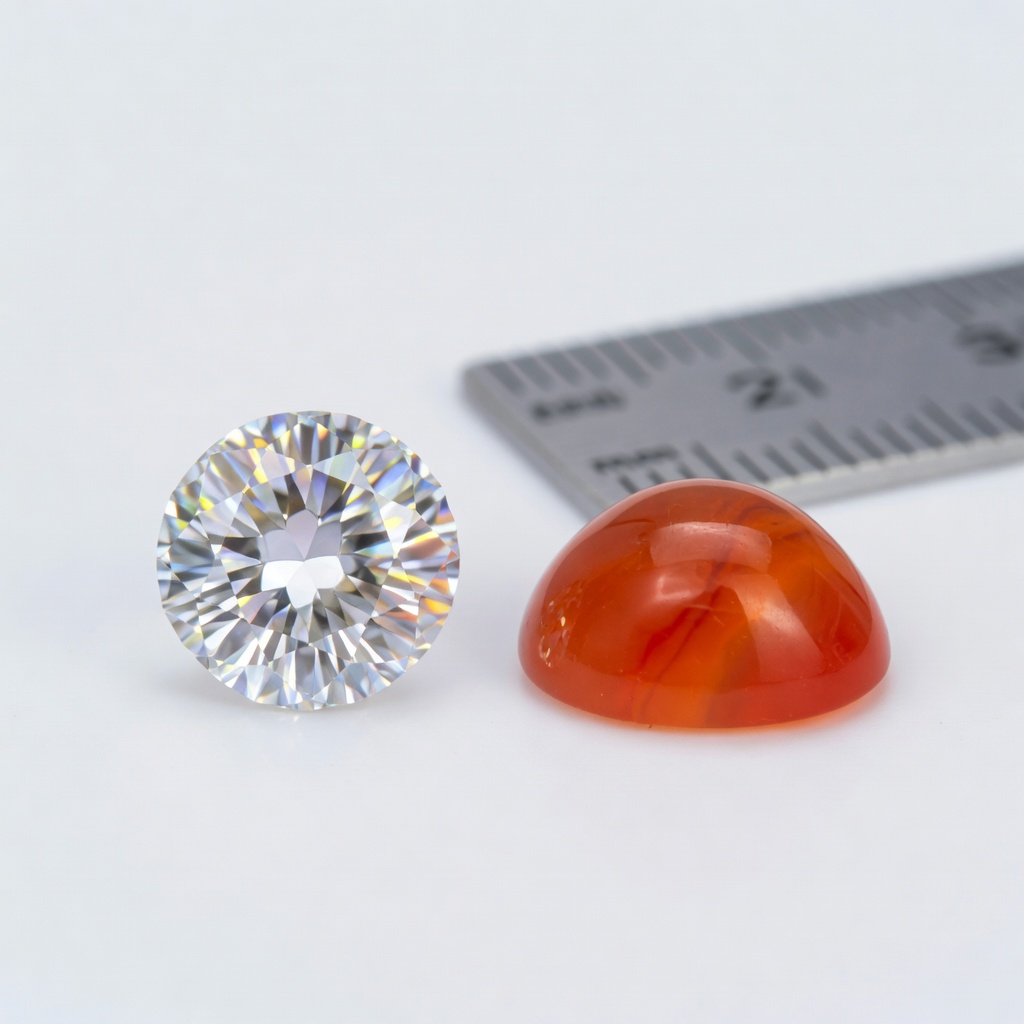
The optical properties of these gemstones create distinctly different aesthetic experiences that appeal to diverse personal tastes and design philosophies. Diamonds exhibit exceptional brilliance, fire, and scintillation due to their high refractive index of 2.42 and expert faceting techniques. When light enters a well-cut diamond, it slows down and bends dramatically, bouncing internally before exiting through the table and crown facets in a spectacular display of white light and rainbow dispersion. This intense light performance makes diamonds appear to glow from within, creating the sparkle that has become synonymous with luxury and romance.
Carnelian offers a completely different visual appeal based on color saturation and translucency rather than brilliance. This semi-precious stone displays translucent to opaque orange-red hues ranging from pale apricot to deep rust, with the most valuable specimens showing intense, uniform color without banding or cloudiness. Unlike diamonds, which are valued for clarity and lack of color (in traditional white diamonds), carnelian's value derives primarily from its color consistency and the desirable waxy luster that gives it an organic, warm appearance. Some specimens display beautiful banding patterns or slight cloudiness, which while reducing value in strict gemological terms, can add character and uniqueness to artisan jewelry pieces.
Practical considerations for jewelry design reflect these optical differences. Diamond settings typically maximize light exposure through open galleries and minimal metal contact to enhance brilliance. Carnelian, often cut as cabochons (smooth, rounded domes without facets) or carved into beads and cameos, showcases its color best when light passes through or reflects off its polished surface. When selecting between these stones for a specific piece, consider whether you desire the icy brilliance and geometric precision of faceted diamonds or the earthy warmth and organic flow of polished carnelian.
Price Comparison: Precious Gemstone vs Affordable Semi-Precious
The carnelian vs diamond value comparison reveals one of the most dramatic price differentials in the gemstone market, reflecting their relative rarity, mining costs, and consumer demand dynamics. Natural diamonds command premium prices ranging from $2,000 to $20,000 or more per carat, depending on the four Cs: cut, color, clarity, and carat weight. Exceptional stones with fancy colors, flawless clarity, or large carat weights can fetch significantly higher prices at auction, with rare pink or blue diamonds selling for millions per carat. This pricing structure reflects not only geological scarcity but also the extensive infrastructure required for diamond exploration, extraction, and certification.
High-quality carnelian typically ranges from $2 to $50 per carat, making it extremely accessible for large statement pieces and collections. Even exceptional specimens with intense color and large sizes rarely exceed $100 per carat, allowing jewelry enthusiasts to acquire substantial carnelian pieces for the price of a small diamond accent stone. This affordability stems from carnelian's relative abundance, the lower cost of surface mining compared to deep-earth diamond extraction, and the stone's classification as semi-precious rather than precious.
| Characteristic | Diamond | Carnelian |
|---|---|---|
| Mohs Hardness | 10 (Hardest natural substance) | 6.5-7 (Moderate hardness) |
| Chemical Composition | Carbon (C) | Silicon Dioxide (SiO₂) with iron oxide |
| Price Range | $2,000 - $20,000+ per carat | $2 - $50 per carat |
| Color Range | Colorless to fancy colors (blue, pink, yellow) | Orange-red, reddish-brown, pale apricot |
| Optical Properties | High brilliance, fire, and scintillation | Waxy luster, translucent to opaque |
| Primary Symbolism | Eternal love, purity, strength | Courage, creativity, vitality |
| Best Jewelry Applications | Engagement rings, daily wear fine jewelry | Beaded bracelets, pendants, statement pieces |
| Maintenance Level | Low maintenance, chemical resistant | Moderate care, avoid harsh chemicals and sun |
| Investment Potential | High retention, certified stones hold value | Low investment value, personal enjoyment focus |
| Birthstone Association | April birthstone | Traditional birthstone for July (alternative) |
Value factors diverge significantly between precious vs semi-precious stones in this comparison. Diamond pricing incorporates extensive marketing costs, certification fees from laboratories like GIA or AGS, and the controlled supply chains that characterize the modern diamond industry. Carnelian pricing depends largely on color quality, with deep red-orange stones commanding higher prices than pale or brownish specimens, and craftsmanship in carved pieces. For budget-conscious consumers, carnelian offers the opportunity to own substantial, beautiful gemstones without the financial burden associated with diamonds, making it ideal for fashion jewelry and experimental designs.
Cultural Significance: Eternal Love vs Courageous Vitality
Beyond their physical properties, these stones carry rich symbolic meanings that have evolved across centuries and civilizations. Diamonds have become the universal symbol of eternal love and unbreakable commitment, largely due to marketing campaigns in the 20th century that cemented their status as the standard for engagement rings. As the traditional birthstone meaning for April, diamonds represent purity, strength, and clarity of purpose. Their indestructible nature makes them fitting metaphors for lasting relationships and personal resilience, while their association with wealth and status continues to influence their desirability in luxury markets.
Carnelian boasts an equally impressive but distinctly different historical pedigree, carrying ancient symbolism of courage, vitality, and protection. Egyptian pharaohs wore carnelian amulets believing the stone provided protection in the afterlife, while Islamic tradition holds that the Prophet Mohammed wore a carnelian seal ring. Biblical texts reference carnelian as one of the twelve stones in the High Priest's breastplate, associating it with the tribe of Reuben. Warriors throughout history, from ancient Rome to Napoleonic France, carried carnelian talismans into battle believing the stone instilled courage and physical power.
Modern metaphysical practitioners attribute different energetic properties to each stone. Diamonds are believed to enhance clarity of thought, amplify energy, and strengthen the wearer's connection to their higher purpose. They are thought to clear emotional and mental pain while bringing about new beginnings. Carnelian, conversely, is associated with the sacral chakra and believed to boost creativity, motivation, and confidence. It is often recommended for artists, writers, and performers seeking to overcome creative blocks or stage fright. When choosing between these stones for personal adornment, consider whether you resonate more with diamond's cool clarity and commitment symbolism or carnelian's warm vitality and creative energy.
Jewelry Applications: Engagement Rings to Bohemian Bracelets
The practical applications of these gemstones in jewelry design reflect their distinct physical properties and cultural associations. Diamonds dominate the fine jewelry market, particularly in engagement rings, wedding bands, anniversary jewelry, and high-end statement pieces designed to last generations. Their unmatched durability allows for intricate settings including delicate prong arrangements, tension settings that appear to float the stone, and pavé designs featuring dozens of small diamonds. Professional jewelers favor diamonds for heirloom pieces because they withstand resizing, repair work, and decades of daily wear without degradation.
Carnelian excels in artisan, bohemian, and vintage-style jewelry where its warm color and affordability allow for creative experimentation. Designers frequently incorporate carnelian into beaded bracelets, macramé necklaces, carved pendants depicting animals or symbols, and cabochon rings set in sterling silver or brass. The stone's workability makes it ideal for cameos and intaglios, a tradition dating back to ancient Greece and Rome where artisans carved detailed portraits into the stone's layered surface. Modern holistic jewelry often combines carnelian with other crystals in chakra-aligning pieces or mala beads used in meditation practices.
Setting considerations differ dramatically between these stones. Diamonds suit prong, channel, and tension settings that maximize light exposure and showcase brilliance. Carnelian requires more protective approaches; bezel settings that wrap the stone in metal provide the best protection against chipping and scratching, while prong settings should be checked frequently for stability. For consumers seeking unique designs that incorporate both stones, consider pieces where diamonds serve as accent stones surrounding a carnelian center, or designs where the two are separated by metalwork to prevent the harder diamond from scratching the carnelian. This hybrid approach offers the prestige of diamonds while featuring carnelian's distinctive color at a more accessible price point.
Cleaning and Care: High-Maintenance vs Low-Maintenance Gems
Proper maintenance ensures that both diamonds and carnelian retain their beauty, though their care requirements differ significantly due to their chemical and physical properties. Diamonds clean easily with ultrasonic cleaners, steam cleaning, and simple soap solutions due to their chemical inertness and unmatched hardness. Their non-porous surface resists oil and dirt buildup, though regular cleaning maintains their brilliance by removing hand lotions, soaps, and environmental grime that can temporarily dull their sparkle. Professional jewelers recommend cleaning diamond jewelry every few months, with at-home maintenance using soft brushes and mild dish soap proving sufficient for daily wear pieces.
Carnelian requires gentler care to preserve its polish and color integrity. While relatively hard, carnelian can be damaged by harsh chemicals, ultrasonic cleaners that may cause internal fracturing, and prolonged exposure to direct sunlight which can fade its vibrant orange-red color over time. Clean carnelian using only a soft cloth and mild soap with lukewarm water, drying immediately to prevent water spots. Avoid exposure to household cleaners, chlorine in swimming pools, and extreme temperature changes that might stress the stone.
Storage recommendations reflect their hardness differences. Diamonds should be stored separately from other jewelry, not to protect the diamond itself, but to prevent it from scratching softer stones including carnelian, pearls, and opals. Consider storing diamond pieces in individual soft cloth pouches or lined jewelry boxes with separate compartments. Carnelian should be kept away from harder stones and stored in a cool, dark place to prevent color fading. When traveling, wrap carnelian pieces individually in soft cloth to prevent scratching from metal findings or contact with other jewelry items. Following these care protocols ensures that both gemstones remain beautiful for years, whether you are maintaining a valuable diamond heirloom or a beloved carnelian fashion piece.
Investment Value: Which Stone Holds Its Worth?
For collectors and investors considering gemstones as alternative assets, understanding value retention is crucial. Diamonds generally maintain resale value better than carnelian, particularly certified stones from reputable sellers that come with documentation from recognized laboratories like the Gemological Institute of America (GIA). However, retail markup significantly affects returns; consumers typically pay 100-200% markups over wholesale prices when purchasing new diamond jewelry, meaning immediate resale often yields 30-50% of the original purchase price. Exceptional stones with rare characteristics—such as fancy vivid colors, flawless clarity, or historical provenance—may appreciate significantly over time, though the diamond market experiences fluctuations based on economic conditions and changes in consumer preferences.
Carnelian possesses minimal investment value due to its geological abundance and lower market demand compared to precious gemstones. While ancient or historically significant carnelian artifacts command prices among antiquities collectors, modern carnelian jewelry functions primarily as a consumable fashion item rather than a financial investment. This reality, however, should not deter enthusiasts from purchasing carnelian; instead, it positions the stone as ideal for personal enjoyment and artistic appreciation without the pressure of maintaining monetary value.
Collector considerations vary by niche interest. Rare fancy colored diamonds, particularly those in pink, blue, and red hues, have shown significant appreciation over the past decades, with some auction records reaching millions per carat. For carnelian, collector interest focuses on unusual specimens such as those with exceptional translucency, rare natural patterns, or superb antique carvings from specific historical periods. When building a gemstone collection for investment purposes, diamonds represent the safer choice, while carnelian offers opportunities for specialized collecting based on aesthetic preference rather than financial return.
Making Your Choice: Which Gemstone Is Right for You?
Selecting between diamond and carnelian ultimately depends on your lifestyle, budget, aesthetic preferences, and intended use for the jewelry. Choose diamonds when seeking lifetime pieces intended for daily wear, such as engagement rings or wedding bands that must withstand decades of constant use. Diamonds suit traditional milestone celebrations, investment purposes, and situations where social perception and status symbolism matter. If you lead an active lifestyle, work with your hands, or simply prefer low-maintenance luxury, diamond's durability and timeless appeal make it the superior choice despite the higher cost.
Select carnelian for affordable fashion jewelry that allows for frequent style changes, metaphysical practices requiring specific energetic properties, or bohemian aesthetics that favor natural, earthy materials. Carnelian works beautifully for costume jewelry, large statement pieces that would be prohibitively expensive in diamond, and gifts for those who appreciate historical significance and symbolic meaning over monetary value. If you enjoy collecting multiple pieces, experimenting with color combinations, or supporting artisan jewelers who handcraft unique designs, carnelian's accessibility enables a more expansive and varied jewelry wardrobe.
Consider a hybrid approach that incorporates both gemstones for unique, budget-friendly designs. Many contemporary designers create stunning pieces featuring diamond accents surrounding carnelian center stones, combining the prestige and sparkle of diamonds with carnelian's warm, approachable color. This strategy allows you to own genuine diamonds without the expense of a large center stone, while the carnelian provides size and visual impact at a fraction of the cost. Whether you choose the eternal brilliance of diamond or the courageous warmth of carnelian, understanding these distinct gemstones ensures your selection aligns perfectly with your personal needs and values.
Frequently Asked Questions
Which is more expensive, diamond or carnelian?
Diamonds are significantly more expensive, ranging from $2,000 to $20,000+ per carat, while carnelian typically costs $2-$50 per carat. A single high-quality diamond can cost more than an entire collection of carnelian jewelry. This price difference reflects diamond's geological rarity, mining complexity, and cultural status as the premier precious gemstone, whereas carnelian's abundance as a semi-precious chalcedony keeps it accessible to virtually all budgets.
Can carnelian be used in engagement rings instead of diamond?
While possible, carnelian's lower hardness (6.5-7 Mohs) makes it vulnerable to scratching in daily wear. It's better suited for occasional wear rings or protective bezel settings that shield the stone from impact and abrasion. For active lifestyles or traditional daily-wear engagement rings, diamond remains the superior choice due to its perfect hardness rating of 10. If choosing carnelian for an engagement ring, consider it primarily for ceremonial wear or as a temporary placeholder while saving for a harder stone.
How do I tell if my carnelian is real?
Real carnelian has a waxy luster, smooth texture, and natural color variations that distinguish it from imitations. It's relatively heavy for its size with a specific gravity of approximately 2.6. You can perform a simple scratch test—real carnelian will scratch glass, while glass imitations will not scratch each other. Beware of dyed agate fakes that show unnaturally uniform color without the subtle variations found in natural stone. When in doubt, consult a certified gemologist who can examine internal structures under magnification.
What is the main difference in hardness between diamond and carnelian?
Diamond ranks 10 on the Mohs scale (the maximum), while carnelian rates 6.5-7. This means diamond is over 100 times harder than carnelian. Diamonds can scratch carnelian easily, but carnelian cannot scratch diamonds. This hardness differential has practical implications for storage and wear; diamonds can damage carnelian if stored together, and carnelian jewelry requires more careful handling to prevent surface scratches from everyday materials like steel or quartz dust.
Do diamonds and carnelian have different meanings?
Yes. Diamonds symbolize eternal love, purity, and strength, making them traditional for engagements and wedding jewelry across Western cultures. Carnelian represents courage, creativity, and vitality, with historical use as a protective talisman by warriors, artists, and spiritual practitioners. While diamonds emphasize commitment and clarity, carnelian focuses on action, confidence, and creative energy. Your choice between them might reflect whether you seek stones that represent enduring stability or dynamic vitality.
Which gemstone is better for daily wear?
Diamond is superior for daily wear due to its unmatched hardness and durability. It resists scratching, chipping, and damage from everyday activities including household chores, exercise, and professional work. Carnelian requires more careful handling and is better suited for occasional wear or protected settings such as pendants and earrings that don't encounter hard surfaces regularly. If you desire a daily-wear ring but cannot afford diamond, consider harder alternatives like sapphire or moissanite rather than carnelian.
Are carnelian stones valuable?
Carnelian has modest value as a semi-precious stone. While affordable and beautiful, its abundance keeps prices low compared to precious gemstones. High-quality pieces with exceptional color, large size, or superb craftsmanship can have moderate value, particularly among collectors of antique carved specimens. However, carnelian is not considered an investment gemstone like diamond, nor does it typically appreciate in value. Its worth lies primarily in aesthetic enjoyment, metaphysical properties, and historical significance rather than financial return.
Can you wear diamond and carnelian together?
Yes, they can be worn together in jewelry designs, creating beautiful contrast between diamond's cool brilliance and carnelian's warm color. However, store them separately when not being worn to prevent the diamond from scratching the softer carnelian. In combination pieces, ensure protective settings for the carnelian, such as bezels or recessed mounts, to prevent damage from contact with the harder diamond. This combination works particularly well in vintage-inspired designs where the color contrast enhances both stones' visual impact.