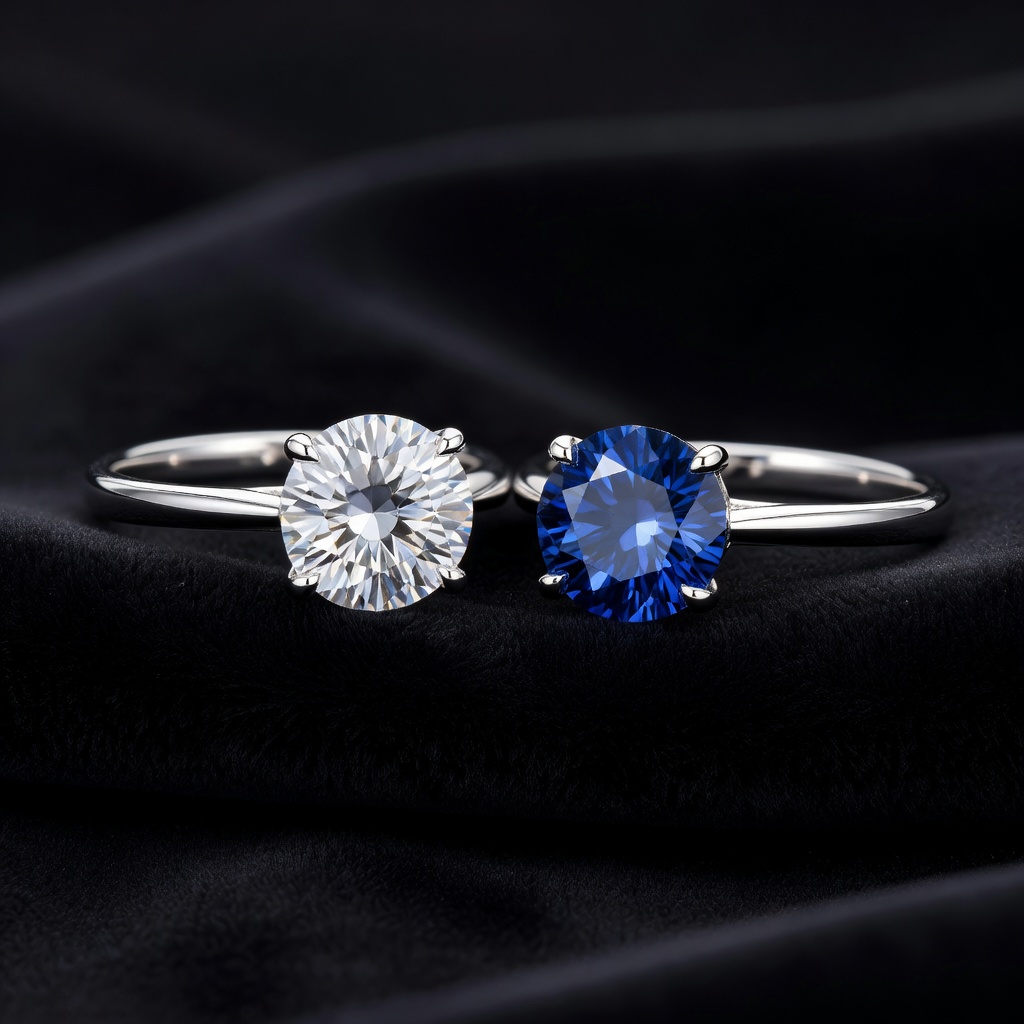
Understanding Diamond vs Blue Diamond
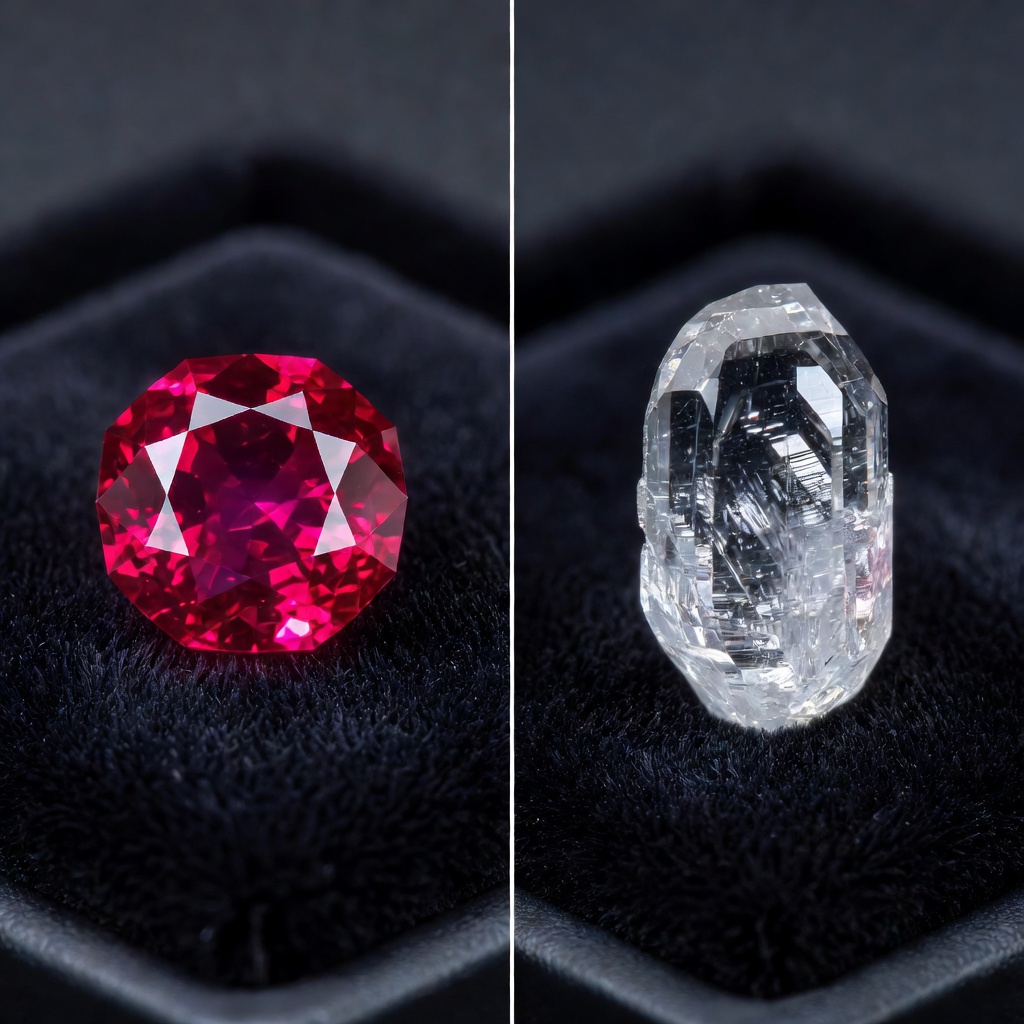
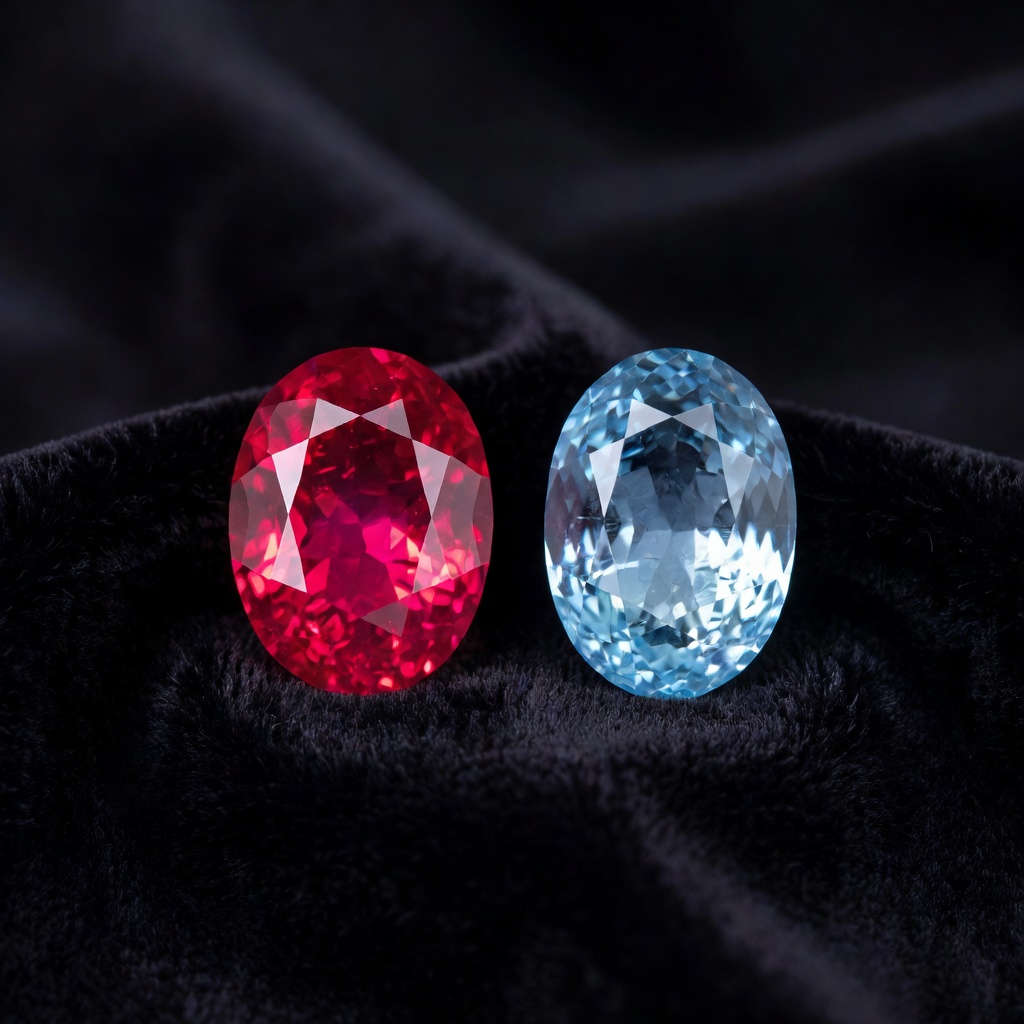
The comparison between traditional colorless diamonds and their extraordinary blue counterparts represents one of the most fascinating distinctions in gemology. While both varieties share the same fundamental crystalline structure of carbon atoms arranged in an isometric lattice system, their visual characteristics and market positioning differ dramatically. Colorless diamonds have dominated the engagement ring market for decades, symbolizing purity and eternal commitment through their brilliant, transparent appearance. In contrast, fancy blue diamonds captivate collectors and connoisseurs with their oceanic depths and aristocratic heritage, most famously embodied by the 45.52-carat Hope Diamond housed at the Smithsonian Institution.
Historically, blue diamonds were reserved exclusively for royalty and the ultra-wealthy, appearing in the crown jewels of France and the private collections of Indian maharajas. The geological conditions required to create natural blue diamonds occur so rarely that these gemstones represent less than a fraction of a percent of all diamonds mined globally. This comprehensive analysis serves potential buyers, investors, and jewelry enthusiasts seeking to understand whether a classic colorless stone or a rare blue diamond better suits their aesthetic preferences, budget constraints, and long-term value expectations.
The Science Behind the Color: What Makes Blue Diamonds Blue
The mesmerizing blue hue of these rare gemstones originates from a specific chemical impurity that differs fundamentally from the nitrogen inclusions found in yellow diamonds. During formation approximately 1.5 to 3 billion years ago deep within Earth's mantle, boron atoms became incorporated into the carbon crystal lattice structure, absorbing yellow light and transmitting blue wavelengths back to the viewer's eye. This boron inclusion creates a distinctive coloration that ranges from delicate sky blue to intense deep ocean shades, depending on the concentration and distribution of the trace element throughout the stone.
Comparatively, the nitrogen impurities responsible for yellow diamonds create an entirely different visual effect and value proposition in the marketplace. While nitrogen is relatively common in diamond formation, occurring in approximately 98% of all natural diamonds to some degree, boron contamination happens in fewer than one in several thousand stones. Laboratory-created blue diamonds replicate this boron-induced color through High Pressure High Temperature (HPHT) growth processes, though gemological laboratories can distinguish these synthetics through advanced spectroscopic analysis of growth patterns and impurity distributions.
Color Grading Systems: D-Z Scale vs Fancy Color Scale
Traditional colorless diamonds undergo evaluation on the industry-standard Diamond Color Grading Scale, known as the D-Z scale, which measures the absence of color rather than its presence, with D representing completely colorless and Z indicating noticeable yellow or brown tints. This grading system prioritizes transparency and lack of hue, with premium values assigned to stones appearing whiter and more brilliant under standardized lighting conditions. The Gemological Institute of America (GIA) established this scale to create consistency in a market where subtle color differences can dramatically impact pricing, particularly in the D-F colorless range versus the near-colorless G-J classification.
Natural blue diamonds, however, fall under an entirely different evaluation system known as the Fancy Color Grading scale, which assesses color intensity from Faint through Very Light, Light, Fancy, Fancy Intense, Fancy Dark, Fancy Deep, to Fancy Vivid. Secondary hues such as grayish or greenish modifiers significantly influence both the visual appeal and monetary value of fancy color diamonds, with pure blue stones commanding substantial premiums over those exhibiting secondary tones. For instance, a Fancy Vivid Blue diamond with no secondary hue might achieve auction prices exceeding $1 million per carat, while a Fancy Light Greenish-Blue of similar size might command only a fraction of that value, illustrating how precise GIA blue diamond grading impacts investment potential.
Rarity and Sourcing: Mining Statistics Comparison
Statistical analysis reveals the extraordinary scarcity of rare blue diamonds, with these precious stones representing less than 0.02% of all diamonds extracted from mines worldwide, making them among the rarest commodities on Earth. The Argyle mine in Western Australia historically produced the most intensely colored blue diamonds, including the famous Argyle Blue collection, though its closure in November 2020 has permanently reduced global supply and intensified competition among collectors. Currently, the Cullinan mine in South Africa serves as the primary source for significant blue diamond discoveries, including the 122.52-carat Blue Legacy extracted in 2019, while sporadic finds occur in the Golconda region of India and the Letseng mine in Lesotho.
The cessation of Argyle operations has fundamentally altered the investment landscape for Argyle blue diamonds, creating a finite supply scenario similar to collectible art markets where no new masterpieces will enter circulation. Diamond mining companies report that for every 10,000 carats of rough diamonds processed, fewer than two carats qualify as fancy blue, and only a fraction of those achieve the coveted Fancy Vivid classification. This extreme rarity explains why major auction houses like Christie's and Sotheby's dedicate specific sales to colored diamonds, understanding that these geological anomalies represent portable wealth stores comparable to fine art or prime real estate in terms of asset appreciation.
Price and Investment Value Analysis
Blue diamond price comparisons between colorless and blue varieties reveal staggering disparities, with natural fancy blues commanding premiums ranging from 10 to 20 times equivalent quality colorless stones, and Fancy Vivid specimens reaching multiples far exceeding that baseline. The 14.62-carat Oppenheimer Blue, sold at Christie's Geneva in 2016 for $57.5 million, established a price-per-carat record of $3.93 million, while the 12.03-carat Blue Moon of Josephine fetched $48.4 million at Sotheby's Geneva the previous year. These fancy diamond auction records demonstrate that unlike colorless diamonds, which follow relatively predictable pricing matrices based on the 4Cs, blue diamonds operate in a luxury goods market where provenance, uniqueness, and competitive bidding drive valuations exponentially higher than standard retail margins.
Diamond investment value and liquidity differ substantially between the two categories, as colorless diamonds benefit from standardized pricing guides and broader resale markets, while blue diamonds require specialized auction channels or private treaty sales to realize full value. Financial advisors recommend allocating no more than 5-10% of a diversified portfolio to colored diamonds due to their illiquidity compared to gold or equities, though they acknowledge the asset class's historical resilience during economic downturns. For investors seeking entry-level positions, treated blue diamonds offer aesthetic appeal at 70-90% lower costs than naturals, though they lack the appreciation trajectory and heirloom status associated with organically formed fancy colors.
Treatment Methods: Natural vs Enhanced Blue Diamonds
HPHT treated diamonds represent the primary method for enhancing or creating blue diamonds in laboratory settings, subjecting brownish or yellowish rough diamonds to conditions mimicking Earth's mantle to alter their crystalline structure and color. This process can transform originally undesirable stones into marketable blue diamonds with saturated coloration, though the resulting gems require explicit disclosure as "treated" or "enhanced" rather than natural fancy colors. Irradiation combined with annealing provides an alternative treatment pathway, creating stable blue colors through controlled radiation exposure followed by gentle heating, though these stones typically exhibit different spectral signatures than boron-rich naturals when analyzed with advanced gemological equipment.
Certification ethics mandate that any color alteration beyond standard cutting and polishing must be permanently disclosed on laboratory reports from reputable institutions like GIA or AGS, protecting consumers from unintentionally purchasing treated stones at natural prices. The permanence of these treatments varies, with HPHT-processed blues generally proving stable under normal wearing conditions, while irradiated stones may show sensitivity to extreme heat during jewelry repair work exceeding 500 degrees Celsius. Buyers should insist upon "Natural Fancy Blue" designations on grading reports and verify that certificates specifically state "No indications of heating" or equivalent language to ensure authenticity and protect resale value when purchasing enhanced colored diamonds.
Jewelry Design and Setting Considerations
Metal selection plays a crucial role in maximizing the visual impact of blue diamond jewelry, with white gold and platinum settings traditionally favored for colorless stones to enhance their icy brilliance and light performance. Conversely, blue diamonds often achieve maximum color saturation when set against warm-toned metals such as 18k rose gold or yellow gold, which create complementary color contrasts that make the blue appear deeper and more vivid to the naked eye. Contemporary designers increasingly utilize mixed metal techniques, surrounding blue center stones with colorless diamond halos set in white gold while mounting the center in rose gold, creating sophisticated dimensional effects that highlight the fancy color while maintaining traditional bridal aesthetics.
Diamond ring settings significantly influence the perceived intensity of blue diamonds, with bezel settings offering protection while potentially muting light return, whereas open gallery designs and prong settings maximize light penetration to enhance color visibility. Solitaire settings allow blue diamonds to function as statement pieces suitable for artistic or fashion-forward jewelry, while three-stone configurations pairing blue centers with colorless side diamonds create dramatic contrast narratives popular among collectors. For daily wear engagement rings, colorless diamonds provide greater versatility across wardrobe changes and metal preferences, whereas fancy color diamond design serves as distinctive signature pieces requiring thoughtful coordination with existing jewelry collections.
Buying Guide: How to Choose Between Them
Budget allocation strategies differ fundamentally when buying blue diamonds versus colorless stones, as a $50,000 investment might secure a 1.5-carat D-color Internally Flawless colorless diamond or a 0.30-carat Fancy Intense Blue stone, requiring buyers to prioritize either size or rarity. When purchasing colorless diamonds, the Cut quality deserves primary consideration, as excellent proportions maximize brilliance and fire, while Carat weight and Clarity follow in importance for most consumers. For natural blue diamonds, Color intensity and hue purity supersede all other factors, with a Fancy Vivid Blue SI1 clarity stone commanding higher prices than a Fancy Light Blue IF clarity specimen, directly inverting the traditional 4Cs hierarchy.
Diamond certification requirements vary significantly between categories, with standard GIA Diamond Grading Reports sufficing for colorless stones but proving inadequate for fancy colors, which demand comprehensive GIA Colored Diamond Reports detailing hue, tone, saturation, and origin determination. Prospective buyers should verify that blue diamond certificates specifically include an origin comment stating "Natural Color" rather than simply grading the hue, as this distinction affects value by multiples. Working with dealers who specialize in fancy colored diamonds provides access to inventory beyond standard retail channels and ensures expertise in evaluating the subtle color nuances that determine investment-grade quality versus commercial-grade stones.
Care, Maintenance, and Durability
Both colorless and blue diamonds share the distinction of ranking 10 on the Mohs hardness scale, making them equally resistant to scratching and suitable for daily wear in engagement rings and heirloom jewelry passed through generations. However, treated blue diamonds may exhibit different thermal conductivity properties compared to their natural counterparts, requiring jewelers to exercise caution when applying heat during sizing or repair procedures to prevent potential color alteration or structural damage. Natural blue diamonds maintain exceptional thermal stability, allowing standard diamond care routines including ultrasonic cleaning and steam exposure without risk to their color integrity or crystalline structure.
Insurance and appraisal protocols differ substantially between varieties, with colorless diamonds requiring updated appraisals every 2-3 years based on market fluctuations, while natural fancy blue diamonds necessitate specialized appraisers familiar with auction results and colored diamond indices rather than standard retail replacement values. High-value blue diamonds should be photographed under specific lighting conditions to document their exact color appearance for insurance purposes, as subtle shade variations can indicate value differences of hundreds of thousands of dollars. When storing fancy diamond maintenance collections, keeping pieces separate from other gemstones prevents potential chipping of the diamond itself or scratching of softer jewelry items, while annual professional inspections ensure prong integrity and setting security for these valuable investments.
Final Verdict: Which Diamond is Right for You?
| Characteristic | Colorless Diamond | Natural Blue Diamond |
|---|---|---|
| Chemical Origin | Pure carbon crystal | Carbon with boron inclusions |
| Rarity | Common (millions mined annually) | Extremely rare (0.02% of production) |
| Grading Scale | D-Z (absence of color) | Fancy Color Scale (Faint to Fancy Vivid) |
| Price per Carat | $5,000-$25,000 (1ct, high quality) | $50,000-$500,000+ (depending on intensity) |
| Primary Value Factor | Cut quality and clarity | Color intensity and hue purity |
| Investment Liquidity | High (broad resale market) | Low (specialized auction channels) |
| Setting Recommendations | White gold/platinum for brilliance | Rose/yellow gold for contrast |
| Care Requirements | Standard cleaning and maintenance | Specialized care for treated stones; standard for natural |
The decision between colorless and blue diamonds ultimately depends on your primary objectives, whether seeking timeless bridal symbolism, alternative investment vehicles, or distinctive fashion statements. Colorless diamonds offer unmatched versatility and liquidity, serving as the traditional choice for engagement rings while maintaining predictable value retention across economic cycles. Blue diamonds cater to collectors and individuals desiring unique expression, offering the dual benefits of wearable art and concentrated wealth storage, albeit with higher entry costs and specialized resale requirements.
For engagement ring purposes, colorless diamonds remain the practical choice for couples prioritizing size and brilliance within standard budgets, while blue diamonds suit those with substantial resources seeking to commemorate their union with a geological rarity. Investors should approach blue diamonds as long-term holds within diversified portfolios, understanding that these assets require 5-10 year horizons to appreciate significantly, whereas colorless diamonds function better as stable stores of value with immediate liquidity. Regardless of your selection regarding Diamond vs Blue Diamond, authentication through reputable gemological laboratories and purchase through established dealers specializing in your chosen variety ensures legitimate documentation and fair market value for this significant acquisition.
Frequently Asked Questions
What is the main difference between a regular diamond and a blue diamond?
The primary difference is chemical composition and color origin. While regular colorless diamonds are pure carbon crystals, natural blue diamonds contain trace amounts of boron that absorb yellow light, creating their distinctive blue hue. This makes them significantly rarer and typically more valuable than equivalent quality colorless diamonds.
Are blue diamonds more expensive than colorless diamonds?
Yes, natural fancy blue diamonds are substantially more expensive, often commanding 10 to 20 times the price per carat of equivalent colorless diamonds. The price increases exponentially with color intensity, with Fancy Vivid blues reaching hundreds of thousands or millions per carat at auction, while treated blue diamonds are more affordable alternatives.
Are all blue diamonds natural, or can they be created in laboratories?
Both exist in the market. Natural blue diamonds form over billions of years with boron inclusions. However, laboratories can create blue diamonds through HPHT (High Pressure High Temperature) treatment or irradiation of lower-quality diamonds. Lab-created blue diamonds are chemically identical but cost significantly less and require specific certification disclosure.
Do blue diamonds have the same hardness and durability as colorless diamonds?
Yes, both natural and treated blue diamonds rank 10 on the Mohs hardness scale, making them equally durable for daily wear. However, some treated blue diamonds may have different thermal conductivity properties, requiring specific care when being repaired or cleaned by jewelers to prevent color alteration.
Which is better for an engagement ring: a blue diamond or a colorless diamond?
The choice depends on personal style, budget, and symbolism. Colorless diamonds offer timeless versatility and maximize brilliance, while blue diamonds provide unique personality, rarity, and symbolize tranquility and royalty. Blue diamonds work exceptionally well as center stones for those seeking non-traditional luxury, though they require larger budgets for significant sizes.
How can I tell if a blue diamond is natural or treated?
Only professional gemological laboratories can definitively distinguish natural from treated blue diamonds using advanced spectroscopy. Always request a GIA Colored Diamond Report or equivalent certification that specifically states 'Natural' versus 'Treated' or 'Laboratory-Grown.' Natural blues typically show distinctive phosphorescence patterns under UV light that differ from treated stones.
Can blue diamonds fade or change color over time?
Natural blue diamonds are permanently color-stable and will never fade. However, some treated blue diamonds created through irradiation may be sensitive to extreme heat during jewelry repairs (above 500°C), potentially causing color changes. HPHT-treated blues are generally stable, but certification and disclosure of treatment type are essential for proper care.
Where do the most valuable blue diamonds come from?
Historically, the Argyle mine in Australia produced the rarest and most vivid blue diamonds, though it closed in 2020. Currently, the Cullinan mine in South Africa and the Golconda region in India are primary sources. The closure of Argyle has significantly increased the scarcity and investment value of existing natural blue diamonds on the market.