Understanding Diamond vs Axinite
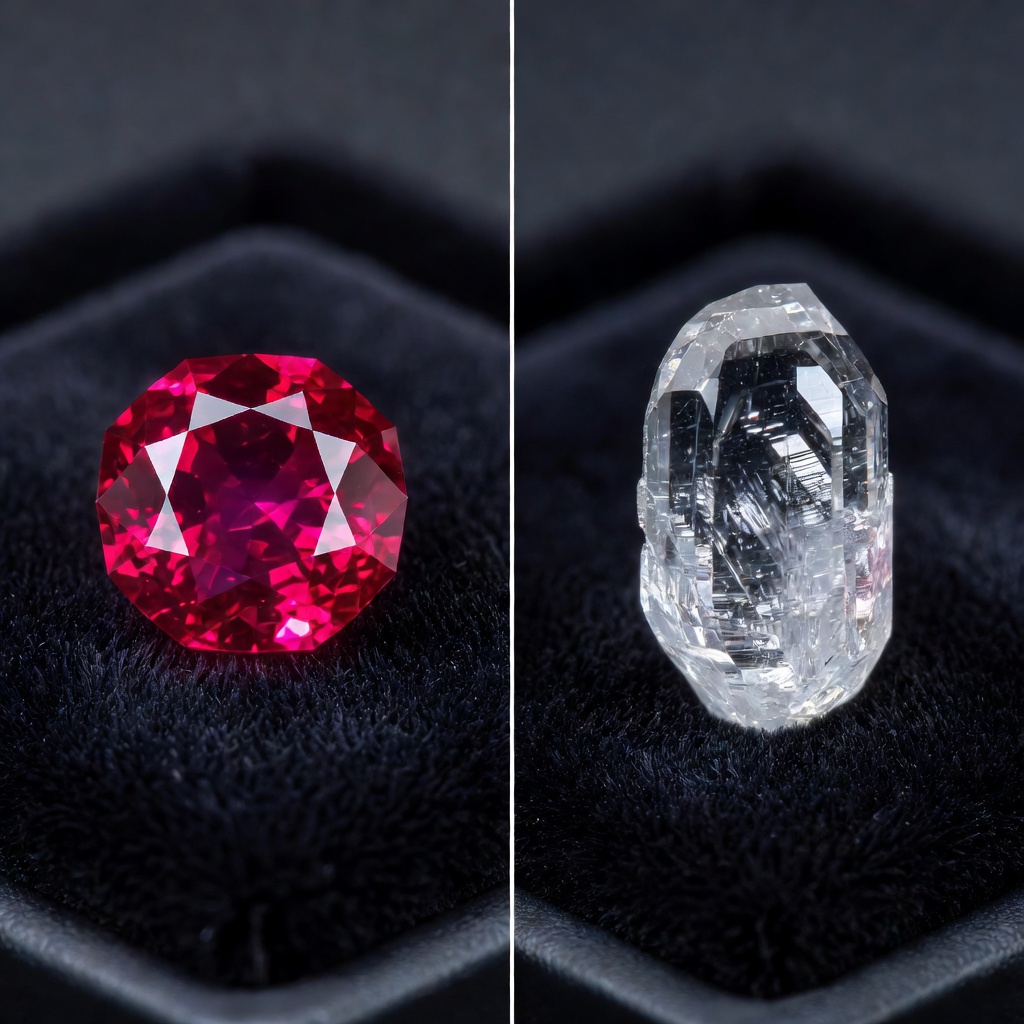
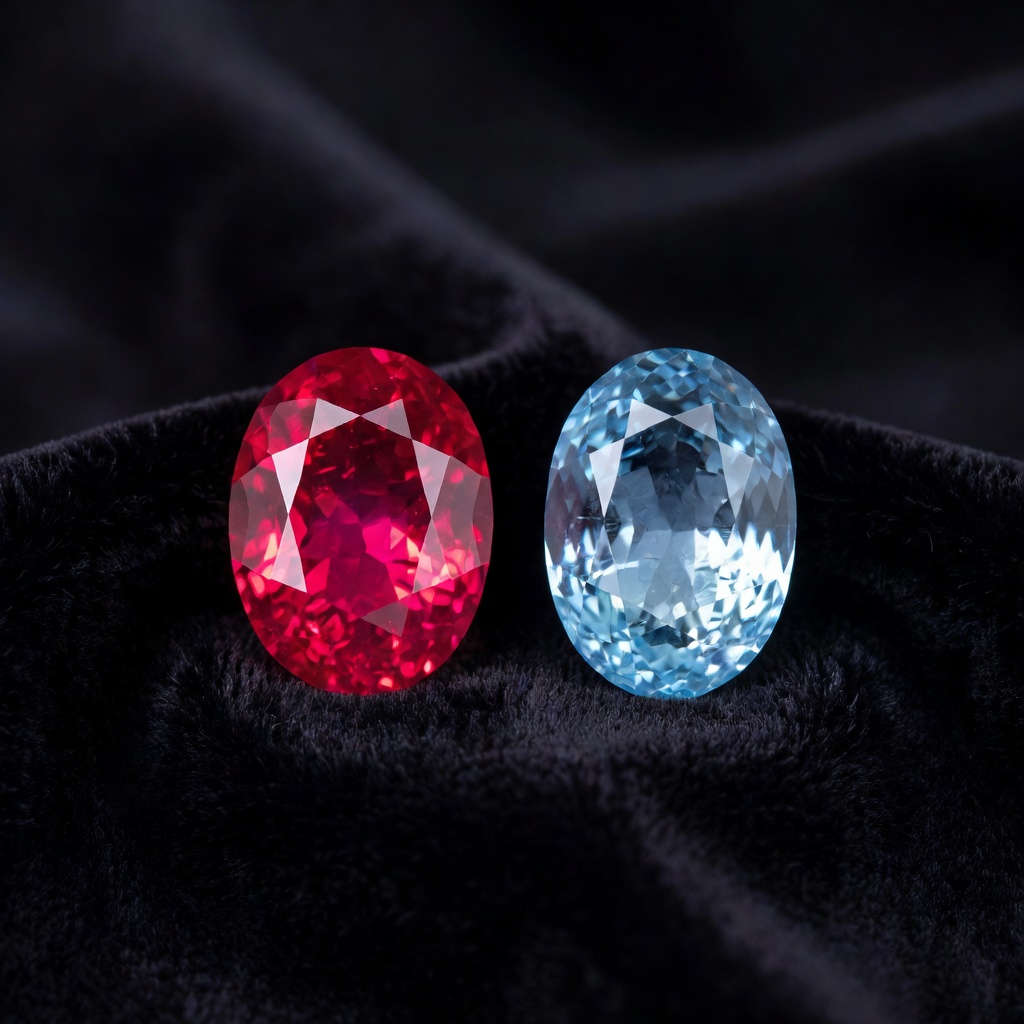
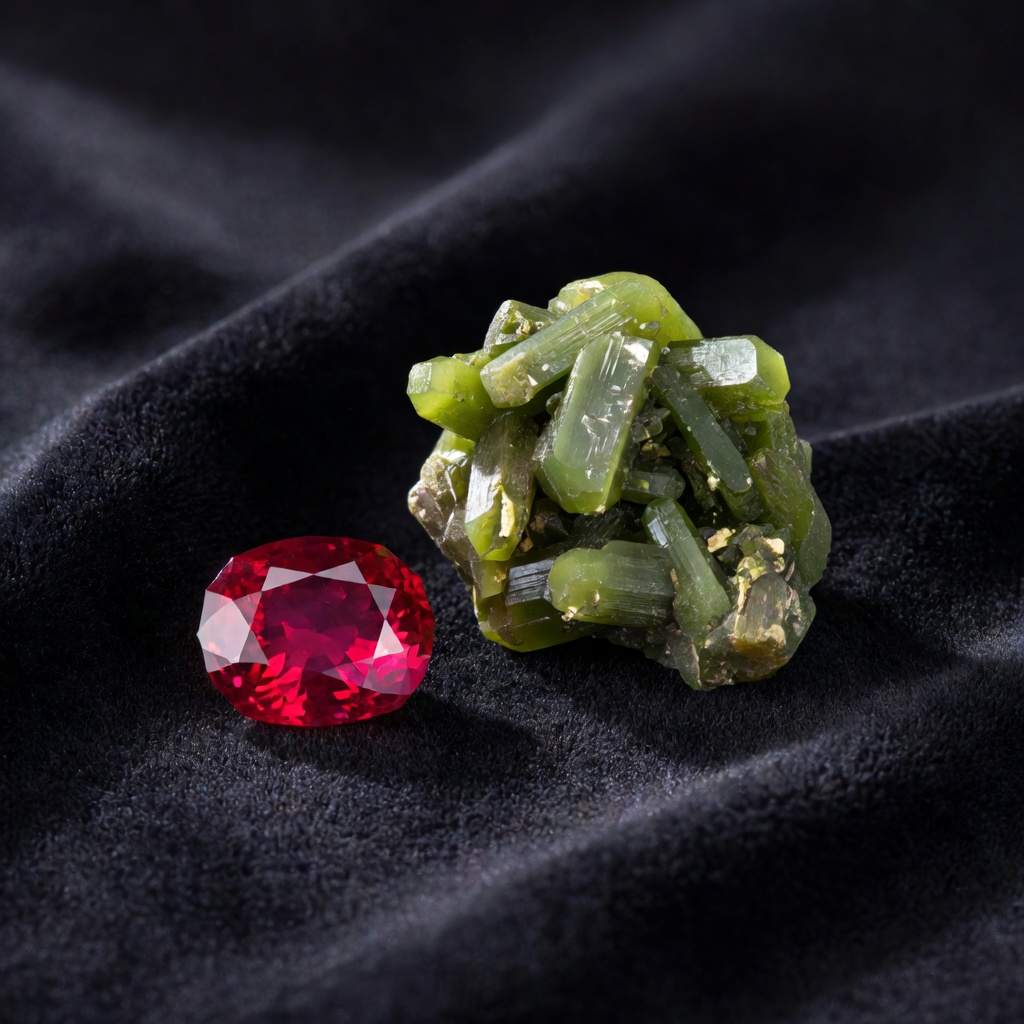
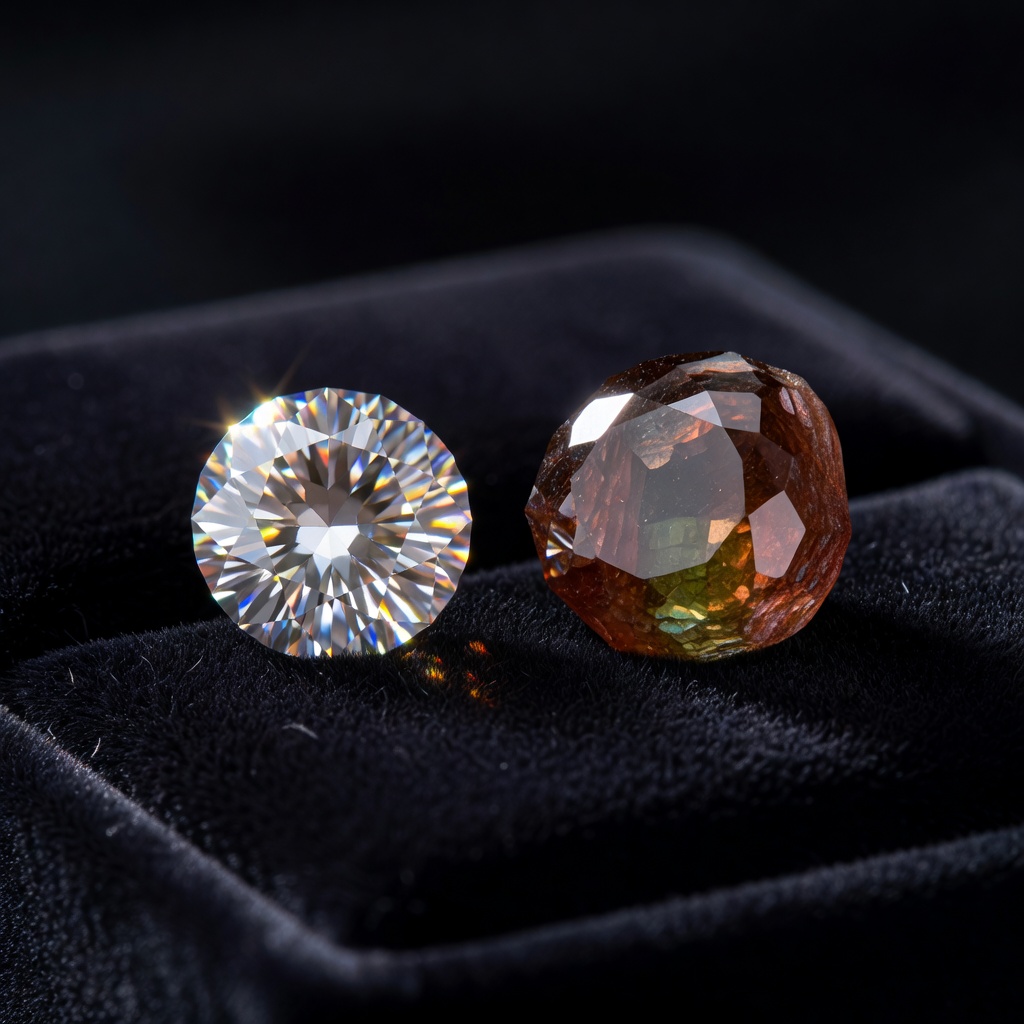
When selecting a gemstone for fine jewelry, most consumers immediately consider diamonds as the benchmark for beauty, durability, and prestige. However, the world of rare collector gemstones offers fascinating alternatives that challenge conventional jewelry choices, with axinite emerging as a compelling option for those seeking distinctive optical properties. This comprehensive Diamond vs Axinite comparison explores how these two vastly different minerals cater to distinct market segments, from the bride seeking an eternal symbol of commitment to the connoisseur hunting for pleochroic phenomena in museum-quality specimens. While diamonds dominate the bridal market through decades of strategic marketing and unmatched physical properties, axinite occupies a specialized niche among mineral enthusiasts who value geological rarity over commercial availability.
Chemical Composition and Crystal Structure
Diamond's Pure Carbon Architecture
Diamonds represent nature's remarkable ability to transform simple carbon atoms into the hardest known natural substance through immense pressure and temperature deep within Earth's mantle. Each diamond crystal forms within the isometric cubic system, creating a symmetrical lattice where every carbon atom bonds tetrahedrally with four neighbors, resulting in exceptional stability and light performance. This atomic arrangement not only contributes to the legendary diamond hardness Mohs scale rating of 10 but also explains why diamonds exhibit perfect octahedral cleavage despite their overall toughness. Jewelry designers leverage this structural integrity when creating intricate settings that expose the stone to daily environmental stresses without risk of structural compromise.
Axinite's Complex Borosilicate Chemistry
Axinite presents a stark chemical contrast as a calcium aluminum borosilicate with the complex formula [(Ca,Fe,Mn)3Al2BO3Si4O12OH], incorporating variable amounts of iron and manganese that influence its coloration and density. Unlike diamond's symmetrical cubic structure, axinite crystallizes in the triclinic system, lacking any perpendicular axes or equal angles, which directly contributes to its distinctive axinite gemstone properties including strong pleochroism. This irregular crystal structure creates distinct cleavage planes that make the stone vulnerable to splitting under impact, requiring jewelers to consider protective mounting strategies that differ dramatically from diamond setting techniques. The presence of boron in axinite's composition also affects its thermal stability, making it susceptible to damage from rapid temperature changes that would not affect diamond jewelry.
Visual Characteristics: Brilliance vs Pleochroism
The Adamantine Sparkle of Diamonds
Diamonds captivate viewers through their unique adamantine luster and high dispersion rate of 0.044, which separates white light into spectral colors creating the famous "fire" that defines diamond brilliance. When gemologists evaluate diamond quality, they assess how effectively the cut maximizes light return through the crown, with ideal proportions ensuring that incident light reflects internally before exiting toward the observer's eye. Modern cutting technologies allow diamonds to achieve consistent optical performance across various shapes, from round brilliants to emerald cuts, providing reliable predictability for jewelry designers creating engagement rings intended for daily scrutiny. The typical colorless or near-colorless appearance of gem-quality diamonds allows them to complement any metal setting while maintaining their visual dominance through superior refractive index rather than body color.
Axinite's Color-Shifting Phenomena
As one of the most striking pleochroic gemstones available to collectors, axinite displays trichroism, simultaneously showing brown, violet, and blue-gray hues when rotated under single-source lighting conditions, creating a dynamic visual experience impossible to replicate with diamond. This optical phenomenon occurs because axinite's triclinic crystal structure absorbs different wavelengths of light depending on the viewing angle along its three crystallographic axes, requiring cutters to orient stones carefully to maximize color display or minimize it for consistency. Unlike diamonds, which typically contain inclusions visible only under magnification, axinite often exhibits characteristic internal features including tiny needles or fingerprint inclusions that confirm its natural origin while sometimes affecting transparency. Collectors seeking axinite specimens specifically request stones that demonstrate strong color variation between axes, valuing this optical complexity over the flawless clarity typically demanded in diamond grading.
Durability and Hardness Comparison
The disparity between these gemstones becomes immediately apparent when considering practical wearability, as the diamond hardness Mohs scale rating of 10 places it at the absolute pinnacle of mineral durability, capable of scratching any other material while resisting abrasion from daily activities. This exceptional hardness stems from the strong covalent bonding between carbon atoms, allowing diamonds to maintain their polish and facet edges indefinitely even when worn in rings subjected to constant mechanical contact. Conversely, axinite's position at 6.5-7 on the Mohs scale places it in a vulnerable category where household dust (containing quartz at 7 Mohs) can potentially scratch the surface during routine handling, necessitating careful consideration of jewelry design applications. When a gemologist assesses gemstone durability for engagement rings, they must account not only for hardness but also for toughness and stability, areas where axinite's distinct cleavage planes present significant limitations for high-impact jewelry styles.
Practical Implications for Daily Wear
Jewelry insurance underwriters consistently classify diamond rings as low-risk items suitable for everyday wear without special restrictions, whereas they may require additional riders or care disclaimers for axinite pieces due to the higher probability of damage during normal activities. For example, a woman wearing an axinite pendant might need to remove her jewelry before gardening or cleaning with acidic solutions, whereas her diamond counterpart faces no such limitations due to diamond's chemical inertness and mechanical resilience. The cleavage properties of axinite require that lapidaries cut the stone with specific orientations to minimize vulnerability, often resulting in thicker girdles or protective pavilion designs that differ from the precise, sharp facet junctions prized in diamond cutting. When considering long-term heirloom potential, diamonds require only periodic cleaning to maintain appearance, while axinite jewelry demands ongoing vigilance regarding storage conditions and wearing frequency to prevent cumulative damage that could affect value.
Rarity, Sourcing, and Ethical Considerations
Diamond Mining and Market Availability
The global diamond industry operates through sophisticated supply chains originating primarily from the Ekati and Diavik mines in Canada, the Jwaneng and Orapa operations in Botswana, and the Udachnaya pipe in Russia, ensuring steady availability of rough material for cutting and jewelry manufacturing. These established mining operations implement the Kimberley Process Certification Scheme to prevent conflict diamonds from entering legitimate markets, though ethical concerns persist regarding environmental impact and labor practices in certain jurisdictions. Major diamond producers release regular reports on production volumes and sustainability initiatives, providing consumers with traceability options including CanadaMark diamonds that document the journey from mine to finished stone. While natural diamonds command premium prices due to controlled release and marketing strategies, their relative abundance compared to truly rare collector gemstones makes them accessible across various price points and quality grades.
Axinite as a Rare Collector Gemstone
Genuine axinite specimens remain exceptionally scarce in the gem market, with significant deposits limited to specific geological environments including the alpine-type deposits at Le Bourg d'Oisans in France, skarn formations in Baja California, Mexico, and contact metamorphic zones in Tasmania, Australia. Unlike diamonds, which benefit from industrial-scale extraction operations, axinite typically occurs as sporadic crystal pockets within host rocks, making commercial mining economically unfeasible and limiting supply to occasional discoveries by mineral collectors or small-scale prospectors. This extreme scarcity positions axinite firmly within the rare collector gemstones category, where individual specimens may change hands through specialized mineral shows or auction houses rather than traditional jewelry retail channels. Ethical sourcing for axinite involves verifying that specimens were legally collected from documented localities, with particular attention to preserving the matrix or associated minerals that enhance scientific and collection value beyond the gem material itself.
Pricing, Value, and Investment Potential
When conducting a gemstone investment comparison, diamonds demonstrate established liquidity through international markets, with pricing standardized through the 4Cs grading system (cut, color, clarity, carat weight) and active secondary markets facilitating relatively straightforward resale through auction houses or diamond bourses. High-quality diamonds typically appreciate gradually over decades, serving as stable stores of value during economic fluctuations, though retail markups on new purchases often require significant market appreciation before investors realize returns. In contrast, axinite offers an accessible entry point for mineral enthusiasts, with faceted stones ranging from $20 to $200 per carat depending on color intensity, clarity, and size, though prices for exceptional crystals or rare locales can exceed these ranges among serious collectors. However, axinite presents challenges as a pure investment vehicle due to limited standardized grading, niche market demand, and the absence of established resale infrastructure, meaning collectors should purchase primarily for aesthetic enjoyment rather than speculative financial returns.
Long-Term Value Considerations
Historical auction data reveals that while diamond prices have shown steady incremental growth adjusted for inflation, particularly for rare fancy colors or large flawless whites, the market remains susceptible to synthetic diamond competition and shifting consumer preferences regarding stone size versus quality. Axinite values, conversely, depend heavily on mineralogical trends and the specific locality of origin, with specimens from depleted French localities commanding premiums compared to more recently discovered Mexican material, creating a complex valuation landscape requiring specialized knowledge. For instance, a 5-carat axinite from the classic French locality might appreciate faster than a commercial-grade diamond of similar weight due to increasing scarcity of such specimens, whereas a generic Mexican axinite might maintain stable but modest values. Investors considering either stone should consult with certified gemologists who understand both the commercial diamond market and the specialized collector mineral trade to assess liquidity timelines and portfolio diversification potential.
Jewelry Applications and Setting Recommendations
The divergent physical properties of these minerals dictate fundamentally different approaches to jewelry design, with diamonds accommodating virtually any setting style from delicate shared-prong eternity bands to bold tension settings that expose maximum surface area to light. Platinum or 18k white gold settings complement diamonds by enhancing their colorless appearance while providing secure mechanical retention through bezels, prongs, or channels that withstand the rigors of daily wear without compromising stone security. Axinite jewelry durability concerns necessitate protective design strategies, with bezel settings providing full girdle protection and preventing edge chipping that could occur in exposed prong mountings during accidental impacts. Jewelers experienced with axinite often recommend incorporating the stone into pendants, brooches, or earrings where mechanical stress remains minimal, rather than rings or bracelets that experience frequent contact with hard surfaces.
Metal Pairing and Design Aesthetics
Diamonds achieve maximum visual impact when set in white metals that minimize color distraction, though yellow and rose gold settings have gained popularity for vintage-inspired designs that leverage the contrast between warm metal and cool stone. For axinite, jewelry designers frequently select yellow gold, copper, or bronze settings that harmonize with the stone's inherent brown and golden pleochroic tones, enhancing the gem's earthy color palette rather than competing with it. A practical case study involves a custom pendant design where a 3-carat French axinite was bezel-set in 22k yellow gold with granulation details, protecting the vulnerable girdle while emphasizing the stone's color-shifting properties through strategic open-back construction. When designing mixed-stone jewelry, artisans must ensure that axinite never contacts harder gemstones like diamonds during wear or storage, as such contact would inevitably scratch the softer axinite surface.
Care, Cleaning, and Maintenance Requirements
Maintaining diamond jewelry requires minimal effort due to the stone's chemical inertness and hardness, allowing owners to utilize ultrasonic cleaners, steam jets, or ammonia-based solutions that remove accumulated oils and debris without risking damage to the stone or setting. Professional jewelers routinely subject diamond pieces to aggressive cleaning protocols before resale or appraisal, confident that thermal shock or vibration will not affect the crystal structure, though they must exercise caution with fracture-filled or treated stones. Axinite demands significantly gentler treatment as part of proper gemstone care guide protocols, requiring only lukewarm water with mild dish soap applied with a soft brush, followed by immediate drying with a lint-free cloth to prevent water spots in surface-reaching inclusions. Exposure to hydrochloric or sulfuric acids, commonly found in household cleaners, can etch axinite's surface or attack its structural integrity, while thermal shock from steam cleaning can exploit cleavage planes causing catastrophic fractures.
Storage and Handling Protocols
Long-term storage strategies must account for the vast hardness differential between these gemstones, as storing axinite in the same compartment as diamond jewelry virtually guarantees scratching damage to the softer stone's surface. Collectors should maintain axinite specimens in individual acid-free paper envelopes or padded gem jars within compartmentalized drawers, ensuring that harder stones cannot contact the axinite during drawer movement or transportation. For diamond pieces, while storage requirements remain less stringent, owners should still wrap individual items to prevent metal-to-metal scratching between settings, particularly for platinum pieces that can develop patina when stored haphazardly. When traveling, axinite jewelry should be packed in rigid containers with foam inserts that prevent movement, whereas diamond pieces can be transported in standard jewelry rolls with minimal risk, though insurance documentation should accompany high-value items of either type.
Comparative Analysis: Diamond vs Axinite Specifications
| Characteristic | Diamond | Axinite |
|---|---|---|
| Chemical Composition | Pure Carbon (C) | Calcium Aluminum Borosilicate [(Ca,Fe,Mn)3Al2BO3Si4O12OH] |
| Crystal System | Isometric (Cubic) | Triclinic |
| Mohs Hardness | 10 | 6.5-7 |
| Luster | Adamantine | Vitreous |
| Optical Properties | High dispersion (0.044), brilliant fire | Strong trichroism (brown/violet/blue-gray) |
| Specific Gravity | 3.51-3.53 | 3.26-3.36 |
| Cleavage | Perfect octahedral (four directions) | Good to fair (distinct planes) |
| Price Range (per carat) | $2,000-$25,000+ (fine quality) | $20-$200 (gem quality) |
| Primary Sources | Botswana, Russia, Canada, Australia | France, Mexico, Tasmania, USA |
| Best Jewelry Applications | Rings, bracelets, daily wear | Pendants, earrings, brooches |
| Cleaning Methods | Ultrasonic, steam, chemical | Mild soap and water only |
| Investment Liquidity | High (established markets) | Low (specialized collectors) |
Final Verdict: Which Gemstone Should You Choose?
Selecting between these distinct minerals ultimately depends on lifestyle requirements, budget constraints, and intended usage patterns, with diamonds serving as the unequivocal choice for daily-wear jewelry requiring maximum durability and universal recognition. Individuals seeking engagement rings, anniversary bands, or heirloom pieces intended for generational transfer should prioritize diamonds due to their unmatched hardness, established value retention, and versatility across fashion cycles and cultural contexts. Conversely, axinite appeals to jewelry enthusiasts who prioritize uniqueness and optical phenomena over durability, making it ideal for statement pendants, collector's brooches, or earrings reserved for special occasions where conversation-starting rarity outweighs practicality. A practical decision matrix suggests choosing diamond for active lifestyles involving manual labor, sports, or frequent hand washing, while axinite suits collectors with established jewelry wardrobes who seek to expand into rare collector gemstones without significant financial outlay.
Decision Matrix for Buyers
For the investment-minded purchaser prioritizing liquidity and market stability, diamonds offer superior exit strategies through established resale channels, whereas axinite acquisitions should be viewed as passion purchases within a broader mineral collection. Budget-conscious buyers discover that axinite provides accessible entry into colored stone collecting at $50-$150 per carat for fine specimens, allowing experimentation with custom designs before committing to diamond purchases requiring significantly greater capital expenditure. When commissioning bespoke jewelry, consider axinite for autumn-toned designs featuring yellow gold and organic motifs that complement the stone's earthy pleochroism, while reserving diamonds for classic, timeless settings that emphasize geometric precision and optical performance. Ultimately, the Diamond vs Axinite buying guide recommends owning both: diamonds for life's daily milestones and axinite for the curated collection that reflects sophisticated appreciation for geological diversity.
Frequently Asked Questions
Is axinite as hard as diamond?
No, axinite is significantly softer than diamond. While diamond ranks 10 on the Mohs hardness scale (the hardest known natural material), axinite ranks only 6.5-7. This means axinite can be scratched by harder materials like quartz or topaz, whereas diamonds can only be scratched by other diamonds.
Can axinite be used in an engagement ring?
Axinite is not recommended for engagement rings intended for daily wear due to its moderate hardness (6.5-7 Mohs) and distinct cleavage planes that make it prone to chipping. However, it can work in protective bezel settings for occasional wear or as accent stones in pendants and earrings.
Why does axinite appear to change colors?
Axinite exhibits strong pleochroism (specifically trichroism), meaning it shows different colors—typically brown, violet, and blue-gray—when viewed from different angles. This optical phenomenon occurs due to its triclinic crystal structure absorbing light differently along each axis, unlike diamonds which remain colorless from all angles.
Which is more expensive: diamond or axinite?
High-quality diamonds are significantly more expensive than axinite. While fine diamonds can cost thousands to tens of thousands per carat, axinite typically ranges from $20 to $200 per carat for gem-quality specimens. However, exceptionally large or rare colored axinite crystals may command higher prices among collectors.
Is axinite a good investment compared to diamond?
Diamonds generally offer better liquidity and market stability as investments, with established resale markets. Axinite, while rare and affordable for collectors, has a limited resale market and should be purchased primarily for enjoyment rather than investment appreciation, though unique specimens may increase in value over time.
Where does the best quality axinite come from?
The finest gem-quality axinite typically comes from Le Bourg d'Oisans in France, known for producing transparent, richly colored crystals. Other notable sources include Baja California (Mexico), Tasmania (Australia), and the state of Washington (USA), each producing specimens with slightly different color characteristics.
Can diamonds and axinite be distinguished easily?
Yes, they are easily distinguishable. Diamonds have superior brilliance and fire (dispersion), are cold to the touch, and feel heavy for their size. Axinite shows pleochroism (color shifting), feels warmer, and has a glassy (vitreous) luster compared to diamond's adamantine sparkle. A simple hardness test or specific gravity measurement can confirm identification.
What are the healing properties associated with axinite versus diamond?
In crystal healing lore, diamonds are associated with clarity, strength, and amplification of energy, while axinite is believed to promote grounding, vitality, and harmony between physical and spiritual realms. Axinite is sometimes called the 'stone of truth' for its purported ability to reveal inner strength, whereas diamonds symbolize eternal love and invincibility.