Understanding the Fundamental Differences Between Diamond and Aventurine
When exploring the fascinating world of gemstones, the comparison between diamond and aventurine represents one of the most striking contrasts in the mineral kingdom. While both stones captivate jewelry enthusiasts and spiritual practitioners alike, they occupy vastly different positions in the hierarchy of precious vs semi-precious stones. Diamonds stand as the ultimate symbol of luxury, durability, and eternal commitment, formed billions of years ago under extreme geological conditions deep within the Earth's mantle. In contrast, aventurine emerges as an accessible, earthy quartz variety treasured for its subtle shimmer and metaphysical properties rather than its rarity or monetary value.
Understanding the diamond vs aventurine distinction matters significantly for various stakeholders in the gemstone market. Couples selecting engagement rings must consider longevity and daily wear capability, while spiritual seekers prioritize energetic properties and chakra alignment. Collectors and investors evaluate completely different criteria, including resale potential, certification standards, and market liquidity. Whether you are drawn to the brilliant fire of a precisely cut diamond or the calming, luck-bringing energy of green aventurine, recognizing these fundamental differences ensures you make an informed decision aligned with your specific needs, budget, and lifestyle requirements.
Physical and Chemical Properties Breakdown
Diamond Properties: The Crystalline Carbon Standard
Diamonds represent nature's remarkable achievement in carbon crystallization, consisting of 100% pure carbon atoms arranged in an isometric crystal system that creates exceptional structural integrity. Formed approximately 100 to 200 miles beneath the Earth's surface under pressures exceeding 725,000 pounds per square inch and temperatures above 2,000 degrees Fahrenheit, these gemstones took between 1 to 3.3 billion years to develop. With a Mohs hardness rating of 10, diamonds stand as the hardest known natural material, making them resistant to scratching from any other substance. Their specific gravity ranges from 3.52 to 3.53, while their high refractive index of 2.42 creates the spectacular light performance that makes diamonds immediately recognizable.
Aventurine Properties: The Included Quartz Variety
Aventurine belongs to the quartz family, specifically classified as silicon dioxide (SiO2) with distinctive mineral inclusions that create its signature optical effect. Unlike diamonds formed in the mantle, aventurine develops in igneous rocks when quartz crystallizes with inclusions of fuchsite mica, hematite, or goethite, producing the metallic glitter known as aventurescence. With a Mohs hardness of 7, aventurine offers reasonable durability for jewelry though it remains vulnerable to harder materials, ranking significantly lower than diamond on the hardness scale. The stone crystallizes in the trigonal system, possesses a specific gravity between 2.63 and 2.65, and exhibits a refractive index of 1.544 to 1.553, resulting in more subdued light interaction compared to diamond's brilliant performance.
Appearance: Brilliance vs Subtle Shimmer
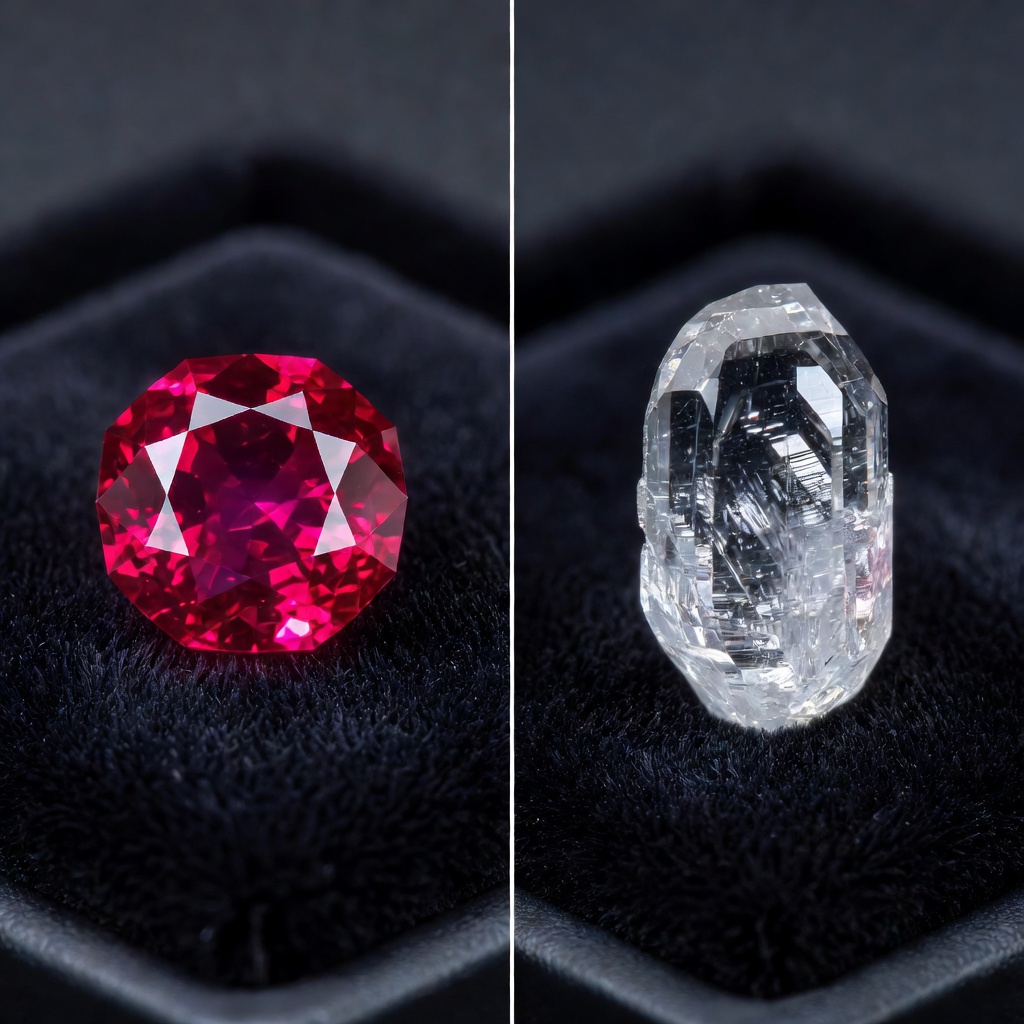
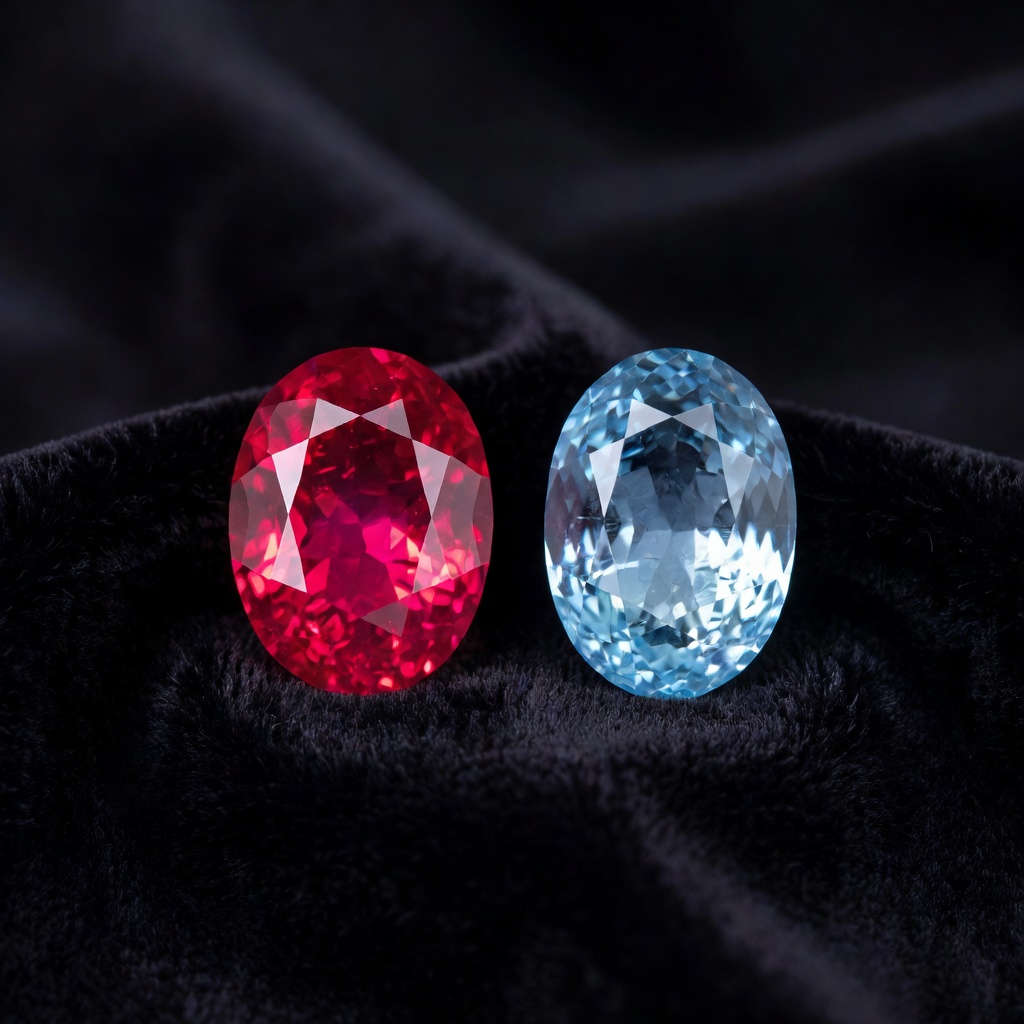
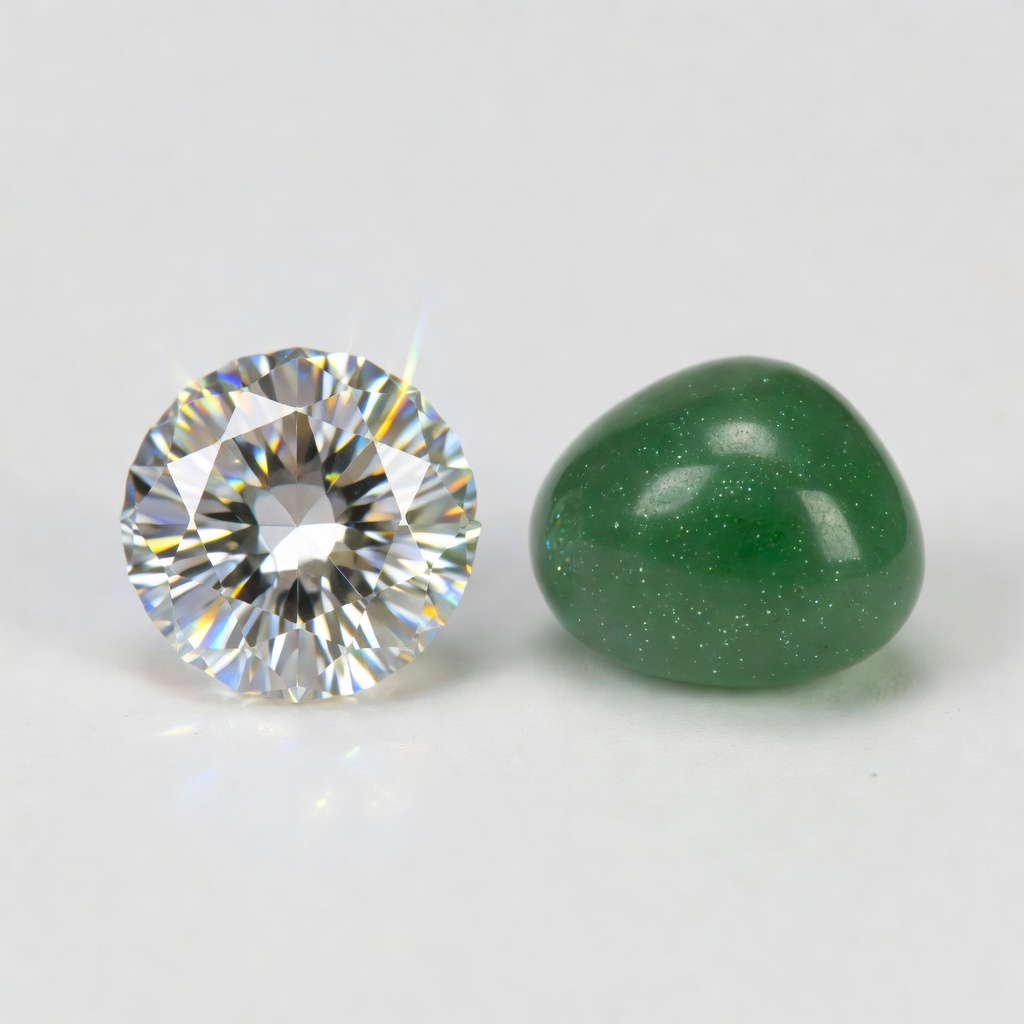
The visual distinction between these gemstones becomes immediately apparent when observing how each interacts with light. Diamonds exhibit extraordinary fire, brilliance, and scintillation resulting from their high refractive index and expert faceting, dispersing white light into spectral colors that flash with every movement. Gemologists evaluate diamonds using precise color grading scales from D (colorless) to Z (light yellow or brown), with clarity grades assessing microscopic inclusions that differ dramatically from aventurine's intentional, beauty-enhancing inclusions. When set in platinum or white gold, a high-quality diamond creates an unmistakable display of spectral colors and mirror-like reflections that command attention across a room.
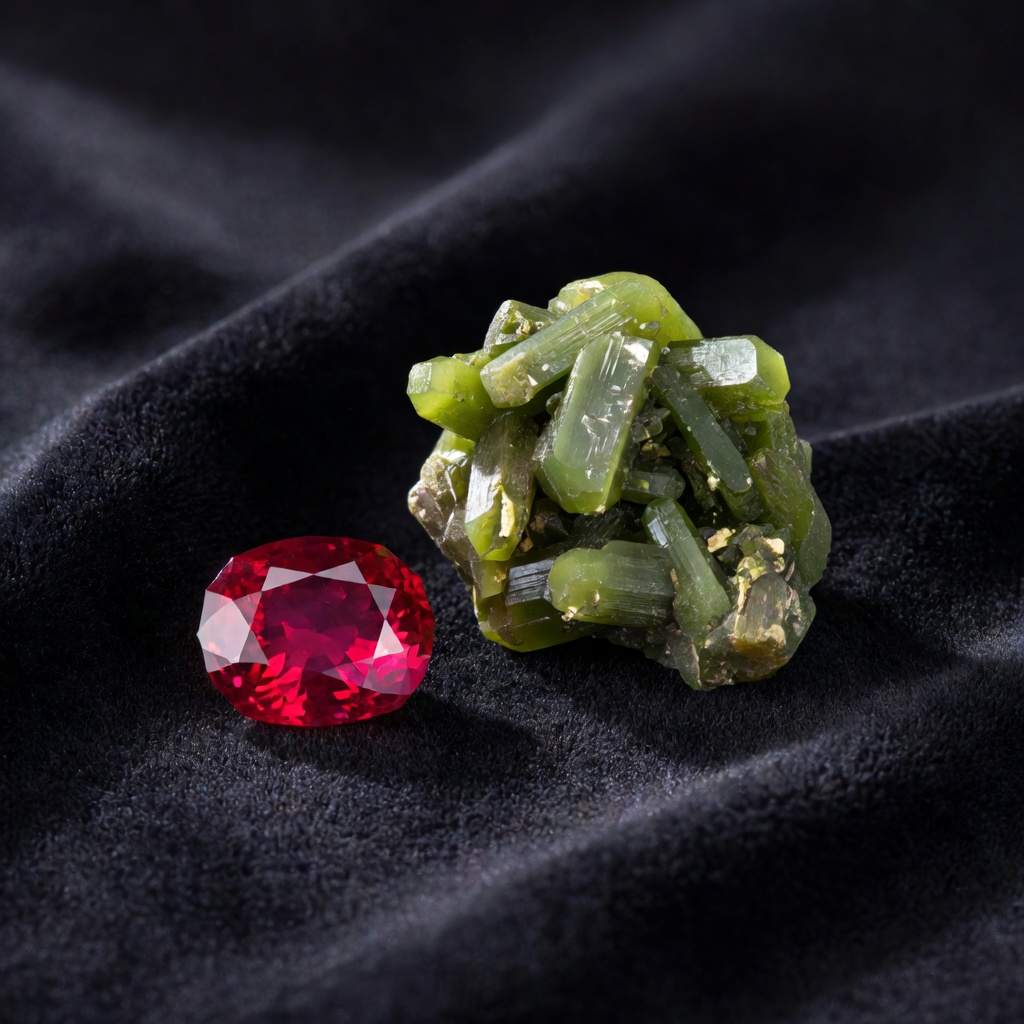
Aventurine presents an entirely different aesthetic characterized by aventurescence, a gentle glittering effect caused by light reflecting off mineral platelets suspended within the quartz matrix. While most commonly recognized in forest green varieties due to fuchsite inclusions, aventurine also occurs in rare orange, blue, brown, and yellow hues depending on specific mineral content. Unlike diamonds, which typically receive faceted cuts to maximize light return, aventurine traditionally appears as cabochons, beads, or tumbled stones that showcase its milky to translucent body and subtle metallic shimmer. This earthy, organic appearance appeals to those seeking natural beauty without the ostentatious sparkle associated with fine diamond jewelry, making aventurine particularly popular in bohemian and artisanal design circles.
Price and Value Comparison
The economic gap between these gemstones reflects their relative rarity, mining difficulty, and market positioning within the jewelry industry. Diamond value follows the internationally recognized 4Cs system—carat weight, cut quality, color grade, and clarity level—with prices ranging from approximately $1,000 per carat for modest commercial qualities to well over $100,000 per carat for rare, investment-grade stones with exceptional characteristics. Natural diamonds command premium prices due to the extensive mining operations required, with only about 20% of mined diamonds qualifying as gem-quality material suitable for jewelry. Additionally, the cutting process requires highly skilled artisans and specialized equipment, adding significant labor costs that further elevate the final retail price of diamond jewelry pieces.
Aventurine occupies the opposite end of the pricing spectrum, offering remarkable affordability that makes it accessible to virtually every budget level. Quality aventurine typically sells between $5 and $50 per carat, with even large, specimen-grade pieces rarely exceeding a few hundred dollars unless they display exceptional color or rare variety. This pricing structure reflects the stone's abundant natural supply, as significant deposits exist in India, Brazil, Russia, and Tanzania, allowing for consistent commercial availability without scarcity-driven price inflation. While aventurine provides excellent value for fashion jewelry and spiritual tools, it lacks the resale market and appreciation potential that characterizes diamond transactions, functioning primarily as a consumable fashion item rather than a store of wealth.
| Characteristic | Diamond | Aventurine |
|---|---|---|
| Chemical Composition | Pure Carbon (C) | Silicon Dioxide (SiO2) with mineral inclusions |
| Mohs Hardness | 10 (Hardest natural material) | 7 (Moderate durability) |
| Refractive Index | 2.42 (High brilliance) | 1.54-1.55 (Subdued luster) |
| Price Range (Per Carat) | $1,000 - $100,000+ | $5 - $50 |
| Primary Colors | Colorless to fancy colors (yellow, blue, pink) | Green (most common), orange, blue, brown |
| Best Uses | Engagement rings, investment pieces, heirloom jewelry | Beaded jewelry, cabochon rings, spiritual tools |
| Investment Potential | High (certified stones appreciate over time) | Minimal (abundant supply limits appreciation) |
| Metaphysical Association | Crown chakra, clarity, amplification | Heart chakra, luck, prosperity |
Durability and Daily Wear Considerations
When selecting jewelry intended for everyday use, durability becomes a paramount concern that heavily favors diamonds over aventurine. Diamond's unparalleled hardness of 10 on the Mohs scale means it resists scratching from daily contact with household surfaces, other jewelry pieces, or accidental impacts, maintaining its polish and facet edges indefinitely with proper care. This exceptional durability makes diamonds the undisputed choice for engagement rings, wedding bands, and heirloom pieces designed to last generations without significant wear. Professional jewelers consistently recommend diamonds for pieces worn on the hands, such as rings and bracelets, where contact with hard surfaces occurs frequently throughout daily activities.
Aventurine requires more cautious handling due to its moderate hardness and structural characteristics that make it susceptible to scratching, chipping, and cleavage damage. While suitable for occasional wear, aventurine jewelry demands protective settings such as bezels or thick prongs that shield the stone's edges from direct impact, particularly when set in rings. For daily wear enthusiasts who love aventurine's aesthetic, pendants and earrings offer safer alternatives than rings or bracelets since these pieces experience less mechanical stress and contact with hard surfaces. Regular maintenance includes cleaning with mild soap and water rather than ultrasonic cleaners, storing pieces separately to prevent contact with harder gemstones, and removing aventurine jewelry before engaging in physical activities, housework, or swimming in chlorinated pools.
Metaphysical Meanings and Healing Properties
Diamond Energetic Properties
In metaphysical practices, diamonds carry potent vibrations associated with clarity, invincibility, and spiritual illumination, serving as amplifiers of both positive intentions and existing energetic patterns. Crystal healers often utilize diamonds to activate and open the crown chakra, facilitating connection to higher consciousness, divine wisdom, and spiritual enlightenment during meditation practices. As the traditional April birthstone, diamonds symbolize eternal love and unbreakable commitment, making them popular in relationship healing work and vows of fidelity. Practitioners recommend placing diamonds on the third eye during visualization exercises to enhance mental clarity and decision-making abilities, though their intense energy requires careful handling as they can amplify negative patterns just as readily as positive ones.
Aventurine Meaning and Spiritual Applications
Aventurine meaning centers primarily on luck, prosperity, and heart-centered healing, earning its reputation as the "stone of opportunity" among crystal enthusiasts and energy workers. Green aventurine specifically resonates with the heart chakra, supporting emotional recovery from past traumas, reducing stress and anxiety, and promoting compassion both for oneself and others. Many business owners keep aventurine specimens on their desks or wear aventurine jewelry during important meetings, believing the stone attracts financial abundance, creative inspiration, and favorable circumstances. Unlike the intense, high-frequency energy of diamonds, aventurine healing properties offer gentle, nurturing vibrations that soothe emotional turbulence and encourage perseverance during challenging transitions, making it ideal for daily carry stones and sleep altars.
Jewelry Applications and Design Styles
Diamond jewelry dominates the luxury market through sophisticated designs that maximize the stone's optical performance, including solitaire engagement rings featuring round brilliant cuts, tennis bracelets showcasing matched stone quality, and micro-pavé settings creating continuous diamond surfaces. High-end designers frequently incorporate diamonds into timeless pieces like three-stone rings, halo settings, and stud earrings that transition seamlessly from day to evening wear, commanding prices that reflect both material value and artisanal craftsmanship. The precision required for diamond cutting limits design possibilities to faceted shapes that optimize light return, though modern trends include fancy colored diamonds in yellow, pink, and blue hues that offer personalized alternatives to traditional white stones while maintaining the prestige associated with precious gemstones.
Aventurine jewelry flourishes in artisanal, bohemian, and holistic markets where its earthy aesthetic complements wire-wrapped pendants, macramé bracelets, and beaded mala necklaces designed for meditation practice. Jewelry designers often showcase aventurine as cabochon centerpieces in sterling silver rings, feature it in men's leather bracelets for its masculine green tones, or combine it with other quartz varieties in chakra-balancing sets. Unlike diamonds, which require professional settings and metalwork, aventurine frequently appears in accessible, handcrafted pieces that emphasize natural textures and organic forms over precise geometry. Current fashion trends show increasing popularity for aventurine in layered necklace combinations and mixed-media designs that pair the stone with wood, leather, and base metals, appealing to environmentally conscious consumers who prefer sustainable, affordable luxury over traditional precious stone investments.
Investment Potential and Collectability
Diamonds have established themselves as legitimate alternative investment assets, with certified stones from reputable grading laboratories like GIA or AGS maintaining liquidity in secondary markets and historically appreciating at rates comparable to or exceeding inflation. Rare colored diamonds, particularly those in vivid pink, blue, and red hues, have achieved remarkable auction results, with some stones selling for millions of dollars per carat to collectors and investors seeking tangible wealth preservation. However, gemstone investment requires careful selection of high-quality, certified stones with excellent cut grades and minimal fluorescence, as commercial-quality diamonds and those without proper documentation offer limited resale potential. The emergence of lab-grown diamonds has created market segmentation, with natural diamonds retaining investment value while laboratory-created stones serve the fashion jewelry market at reduced price points.
Aventurine presents minimal investment appeal due to its geological abundance and the absence of standardized grading systems or certification protocols that would create scarcity value. While mineral collectors may seek rare blue or orange aventurine varieties, large carved specimens, or historic decorative objects, these items appreciate based on artistic merit rather than intrinsic material value. The market for aventurine lacks the liquidity, auction infrastructure, and dealer networks that characterize diamond trading, making it unsuitable for those seeking financial returns on gemstone purchases. Collectors interested in aventurine should focus on aesthetic enjoyment and metaphysical utility rather than monetary appreciation, treating purchases as consumable art or spiritual tools rather than assets.
How to Choose Between Diamond and Aventurine
Selecting between these distinct gemstones requires honest assessment of your budget parameters, intended usage, personal aesthetic preferences, and ethical considerations regarding sourcing practices. For engagement rings or daily-wear heirloom pieces, diamonds offer the only practical solution despite higher costs, as their superior hardness ensures the jewelry remains beautiful through decades of continuous wear. Budget-conscious shoppers who admire green gemstones might consider aventurine for fashion rings worn occasionally, pendant necklaces, or earrings where impact risk remains minimal, allowing them to enjoy the color and metaphysical benefits without compromising durability needs.
Your personal style significantly influences this decision, as diamonds project classic elegance, sophistication, and social status through their brilliant sparkle and association with luxury markets. Alternatively, aventurine appeals to those drawn to natural, earthy aesthetics, spiritual wellness practices, and understated jewelry that complements casual or bohemian wardrobes rather than formal business attire. Ethical sourcing considerations may also guide your choice, with conflict-free certified diamonds and lab-grown alternatives addressing concerns about mining practices, while aventurine's abundant natural availability typically involves less environmentally destructive extraction methods. Consider creating a hybrid collection that reserves diamonds for significant milestone pieces like engagement rings while incorporating aventurine into your rotation for daily spiritual practice, meditation aids, or affordable fashion statements that allow for creative expression without substantial financial risk.
Final Verdict: Which Gemstone Is Right for You?
The diamond vs aventurine comparison ultimately reveals two gemstones serving fundamentally different purposes within the jewelry and metaphysical markets, with their distinctions in durability, price, and symbolism creating clear use cases for each. Diamonds remain essential for those seeking precious, investment-grade gemstones capable of withstanding daily wear while symbolizing eternal commitment and achieving potential financial appreciation over time. Aventurine excels as an accessible, spiritually significant semi-precious stone ideal for wellness practices, fashion-forward jewelry, and those prioritizing metaphysical properties over material value or durability.
For couples selecting engagement rings or individuals building heirloom collections, diamonds provide the only viable option despite significant cost differences. Spiritual seekers, crystal healers, and budget-conscious fashion enthusiasts will find aventurine perfectly suited to their needs, offering heart-centered energy and natural beauty without the maintenance anxiety associated with softer gemstones. Consider adopting a complementary approach where diamonds anchor your most significant jewelry pieces—engagement rings, anniversary bands, and investment studs—while aventurine expands your collection into colorful, spiritually meaningful accessories that support personal growth and daily mindfulness practices without requiring protective storage or insurance concerns.
Frequently Asked Questions
Which is more expensive, diamond or aventurine?
Diamonds are significantly more expensive than aventurine, with quality natural diamonds typically ranging from $1,000 to $100,000 or more per carat depending on the four Cs of carat weight, cut, color, and clarity. In contrast, even high-quality aventurine specimens usually cost between $5 and $50 per carat, making them accessible to virtually any budget. This substantial price difference reflects the extreme geological rarity of gem-quality diamonds, the billions of years required for their formation deep within the Earth, and the extensive mining and cutting processes necessary to prepare them for jewelry. Aventurine's affordability stems from its abundant natural supply and the relative ease of extraction and shaping compared to diamond production.
Can aventurine be used as an engagement ring stone?
Aventurine is generally not recommended for engagement rings intended for daily wear due to its Mohs hardness of 7, which leaves it vulnerable to scratching from common household dust and harder minerals encountered during normal activities. While diamonds withstand the mechanical stress of hand-washing, cooking, and manual tasks without damage, aventurine will gradually show surface wear and potential chipping at facet edges when subjected to similar daily use over years. However, aventurine can work in protective bezel settings for occasional wear rings or as accent stones in engagement ring designs where harder center stones provide structural protection. Couples committed to using aventurine for symbolic reasons should consider pendant necklaces or earrings instead, or reserve aventurine rings for special occasions rather than continuous daily wear.
Is aventurine a real gemstone or just a rock?
Aventurine is absolutely a real gemstone, classified mineralogically as a variety of quartz characterized by its platy mineral inclusions that create the distinctive aventurescence effect. While the jewelry industry categorizes it as semi-precious due to its relative abundance compared to rare gems like diamonds, emeralds, or rubies, this distinction relates to market value and rarity rather than geological legitimacy. The term "semi-precious" remains an industry convention rather than a scientific classification, and aventurine undergoes the same lapidary processes—cutting, polishing, and setting—as its precious counterparts. Distinguished from common rock by its specific crystal structure, optical properties, and suitability for jewelry manufacture, aventurine holds legitimate status in both gemological texts and international trade markets.
Which stone has better investment potential?
Diamonds possess far superior investment potential compared to aventurine, benefiting from established global markets, standardized certification systems through laboratories like GIA, and consistent demand that maintains liquidity for resale purposes. High-quality natural diamonds, particularly those with exceptional color grades, flawless clarity, or rare fancy colors, have historically appreciated in value and perform well at auction houses like Sotheby's and Christie's. Aventurine offers virtually no investment value due to its geological abundance and the absence of grading standards that would create scarcity premiums or collector markets. While unusual aventurine specimens such as large carvings or rare blue varieties might interest mineral collectors, these items rarely appreciate significantly and lack the market infrastructure necessary for quick liquidation at profitable prices.
What are the main healing properties that differentiate these stones?
Diamonds are traditionally associated with crown chakra activation, spiritual clarity, and the amplification of energetic intentions, making them powerful tools for meditation, manifestation work, and enhancing psychic abilities when used by experienced practitioners. Their high-frequency vibration supposedly strengthens the wearer's connection to divine consciousness and mental acuity, though this intense energy requires careful management as it can amplify negative patterns alongside positive ones. Aventurine healing properties focus primarily on heart chakra support, emotional calm, and the attraction of prosperity and luck, offering gentler, nurturing vibrations that soothe anxiety and encourage optimism during difficult transitions. While diamonds serve those seeking spiritual elevation and mental invincibility, aventurine better supports individuals working through grief, opening their hearts to new relationships, or seeking grounding energy during periods of significant life change.
How can I tell diamond and aventurine apart visually?
Diamonds exhibit brilliant fire and intense sparkle characterized by sharp spectral flashes of color, exceptional clarity or specific inclusion patterns visible under magnification, and typically colorless to near-colorless body tones unless they are fancy colored varieties. Aventurine displays a distinctive glittering effect called aventurescence that resembles metallic sparkles suspended within a typically opaque to translucent green, orange, or blue matrix, lacking the sharp faceting and light return seen in cut diamonds. A simple hardness test provides definitive identification, as diamonds scratch glass effortlessly and cannot be scratched by any other natural material, while aventurine can be scratched by harder substances like topaz or corundum. Additionally, diamonds feel noticeably heavier for their size due to higher specific gravity, and they conduct heat rapidly, feeling cool to the touch initially but warming quickly when held, whereas aventurine feels more moderately tempered and shows waxy to vitreous luster rather than adamantine brilliance.
Do lab-grown diamonds change the comparison with aventurine?
Lab-grown diamonds maintain the same chemical composition, physical properties, and visual characteristics as mined diamonds, meaning they remain significantly more valuable and durable than aventurine despite typically costing 30 to 50 percent less than their natural counterparts. The introduction of laboratory-created diamonds shifts the ethical and environmental considerations of the comparison, as they offer conflict-free alternatives with reduced mining impact while still providing the hardness and brilliance necessary for heirloom jewelry. However, the fundamental distinction between precious and semi-precious categories remains unchanged, as even lab-grown diamonds represent technologically advanced production of high-value carbon crystals, while aventurine continues to serve the affordable fashion and metaphysical markets regardless of diamond origin. Consumers prioritizing ethical sourcing might find lab-grown diamonds bridge the gap between aventurine's natural abundance and diamond's performance characteristics, though aventurine maintains its unique position for those specifically seeking its distinctive aesthetic and heart-centered energetic properties.