Introduction: Understanding the Diamond vs Amber Distinction
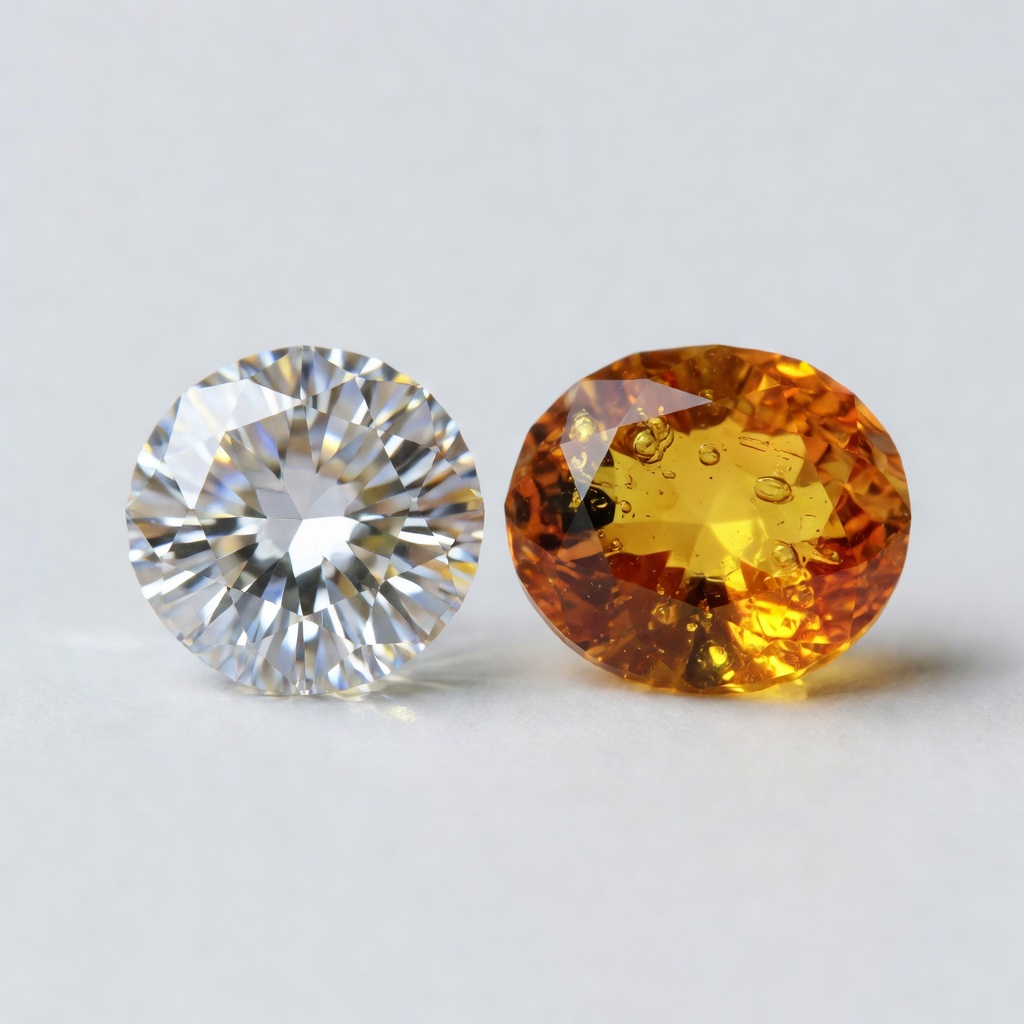
When exploring the fascinating world of precious gems, the diamond vs amber comparison presents one of the most striking contrasts in gemstone classification. Diamonds represent the pinnacle of mineral gemstones, formed under extreme geological pressures deep within the earth, while amber stands as a testament to organic beauty, capturing prehistoric life within fossilized tree resin. This diamond vs amber comparison matters significantly for buyers, collectors, and jewelry enthusiasts because these stones serve entirely different purposes, require distinct care routines, and occupy vastly different price brackets in the market.
Understanding whether to invest in a diamond or amber depends on your lifestyle, aesthetic preferences, and intended use for the jewelry piece. While diamonds promise eternal durability and brilliant sparkle suitable for daily heirlooms, amber offers unique historical significance and warm organic beauty at a fraction of the cost. This comprehensive gemstone guide will examine critical comparison areas including value propositions, physical durability, visual characteristics, and symbolic meanings to help you make an informed decision tailored to your personal needs.
Origins and Formation: Ancient Depths vs Prehistoric Forests
The Geological Miracle of Diamond Creation
Diamonds emerge from one of nature's most intense manufacturing processes, forming from pure carbon atoms crystallized under extreme pressure approximately 100 to 200 miles beneath Earth's surface. These remarkable gemstones require temperatures exceeding 2,000 degrees Fahrenheit and pressure levels 50,000 times greater than atmospheric pressure to develop their characteristic cubic crystal structure. The formation process spans an astounding 1 to 3 billion years, making diamonds among the oldest materials available to humanity, with some specimens predating the existence of life on land.
The Organic Journey of Fossilized Tree Resin
Amber begins its existence as sticky fossilized tree resin exuded by ancient forests approximately 30 to 90 million years ago during the Cenozoic and late Mesozoic eras. Unlike sap, which transports nutrients through trees, resin served as a protective mechanism against insects and pathogens, often trapping small organisms in its sticky embrace. Over millions of years, this resin underwent polymerization and oxidation, hardening into the gemstone we recognize today while preserving prehistoric insects, plant matter, and even small vertebrates in stunning detail.
Classification and Geographic Sources
The fundamental distinction between organic vs mineral gemstones becomes clear when comparing these two materials: diamonds classify as inorganic minerals composed solely of carbon crystals, while amber ranks as an organic gemstone derived from biological processes. Primary diamond sources include the frozen tundra of Russia, the vast mines of Canada, Botswana's rich deposits, and Australia's Argyle mine, which historically produced rare pink diamonds. Conversely, premium amber originates predominantly from the Baltic region surrounding Poland and Lithuania, known for its honey-colored specimens, while the Dominican Republic and Mexico produce rare blue and green varieties highly prized by collectors.
Physical Properties and Durability
Mohs Hardness and Wearability Assessment
The diamond hardness vs amber comparison reveals the most dramatic physical difference between these gemstones, with diamonds ranking at the absolute peak of the Mohs hardness scale at 10, making them the hardest known natural substance. This exceptional hardness allows diamonds to resist scratching from any other material and maintain their polish indefinitely, even with daily wear. In stark contrast, amber registers merely 2 to 2.5 on the Mohs scale, comparable to human fingernails, meaning it scratches easily from everyday dust particles, metal jewelry, or accidental bumps against hard surfaces.
Structural Integrity and Specific Gravity
Beyond hardness, amber gemstone durability concerns extend to its structural composition; while diamonds possess perfect cleavage in four directions making them susceptible to chipping if struck at specific angles, amber exhibits a brittle, fragile nature that can crack or shatter from impact or temperature changes. The specific gravity difference proves equally remarkable: diamonds weigh approximately 3.5 times as much as an equal water volume, causing them to sink immediately, while amber's specific gravity of 1.05 to 1.1 means it actually floats in saltwater, a characteristic used to distinguish genuine amber from plastic imitations.
Practical Wearability Considerations
For jewelry applications, these physical properties dictate entirely different usage scenarios. Diamonds excel in engagement rings, tennis bracelets, and daily wear earrings that withstand constant friction and impact, while amber requires protective settings and occasional wear only. Consider the case of a wedding band: a diamond solitaire remains pristine through decades of handwashing, gardening, and household chores, whereas an amber ring would accumulate scratches within weeks and potentially crack from the impact of closing a car door or bumping a countertop.
Visual Characteristics and Color Range
Diamond Brilliance and Optical Performance
Diamonds captivate observers through exceptional optical properties including a refractive index of 2.42, which creates the characteristic brilliance that gemologists describe as the combination of brightness, fire, and scintillation. When properly cut, diamonds disperse white light into spectral colors while returning maximum light to the viewer's eye, creating that unmistakable sparkle associated with luxury and celebration. Modern diamond markets offer colorless varieties graded D through Z, alongside increasingly popular fancy colored diamonds in yellow, pink, blue, and green hues that command premium prices due to their rarity.
Amber's Warm Organic Aesthetic
Amber gemstone colors span a warm spectrum from pale lemon yellow through rich honey and cognac to deep cherry red and rare blue-green varieties, with the most valuable specimens displaying translucent clarity and depth of color. Unlike diamonds where inclusions typically reduce value, amber's visual appeal often depends on its internal characteristics, including "sun spangles" caused by internal stress cracks that create shimmering reflective plates, and the presence of prehistoric inclusions that transform the gemstone into a miniature natural history museum. Under ultraviolet light, amber exhibits distinctive greenish-yellow fluorescence, while diamonds typically fluoresce blue, providing another diagnostic difference between the materials.
Clarity Standards and Desirable Features
The diamond brilliance comparison with amber highlights divergent clarity standards: diamonds undergo rigorous grading for inclusions and blemishes under 10x magnification, with flawless specimens commanding astronomical prices. Conversely, amber collectors specifically seek pieces containing ancient insects, plant fragments, or air bubbles, with specimens containing rare prehistoric creatures like lizards or scorpions potentially worth thousands of dollars despite technically containing "inclusions." This fundamental difference in valuation criteria reflects amber's role as a fossil record rather than merely a decorative crystal.
Market Value and Price Analysis
Price Per Carat Comparisons
The diamond vs amber price differential spans several orders of magnitude, with quality diamonds ranging from $1,500 to over $20,000 per carat depending on the Four Cs (cut, color, clarity, carat weight), while common amber specimens typically sell for $1 to $50 per carat. This 95% price difference makes amber accessible to virtually any jewelry enthusiast, whereas diamonds represent significant financial investments requiring careful budgeting and often financing options. However, exceptional amber specimens containing rare inclusions, displaying blue fluorescence, or originating from specific historical deposits can command $500 or more per carat, though these remain outliers rather than market standards.
Value Determinants and Certification
Amber gemstone value depends on factors distinct from diamond valuation, including color intensity (with deep cognac and cherry red commanding premiums), clarity (paradoxically, pieces with visible prehistoric inclusions often cost more), size of the specimen, and verified geographic origin. Baltic amber generally holds higher value than Dominican varieties, though Dominican blue amber represents an expensive exception. Diamonds require certification from recognized laboratories like GIA or AGS to establish authenticity and quality, while amber benefits from origin verification and inclusion documentation, particularly for museum-grade specimens containing vertebrate fossils or rare botanical specimens.
Market Stability and Resale Considerations
Diamonds maintain an established resale market through certified dealers, typically retaining 50 to 70 percent of retail value, though they rarely appreciate significantly unless they are exceptionally rare colored varieties. The amber market operates as a specialized collector's niche with less liquidity but potential for appreciation in rare specimens, particularly as Baltic deposits become depleted and mining restrictions increase. For investment purposes, diamonds offer easier convertibility to cash, while amber requires finding specialized collectors or natural history museums willing to purchase specific specimens.
Symbolism, Meaning, and Cultural Significance
Diamond: Icons of Eternity and Power
Diamonds carry powerful gemstone symbolism rooted in their physical properties; their name derives from the Greek "adamas" meaning unbreakable or invincible, leading to associations with eternal love, unyielding strength, and indestructible commitment. Modern Western culture has cemented diamonds as the default choice for engagement rings since De Beers' mid-20th century marketing campaigns, creating an expectation that diamond rings represent the only appropriate symbol of marriage intentions. Historically, diamonds adorned royal crowns and military regalia, signifying wealth, authority, and divine favor, with the largest specimens often serving as state treasures and diplomatic gifts between monarchs.
Amber: Ancient Healing and Earth Connection
Amber occupies a unique position in healing crystals comparison and metaphysical traditions, believed to carry the warmth and life force of the sun, promote healing energy, and provide protection against negative influences. Ancient civilizations from Rome to China valued amber for medicinal purposes, grinding it into powders for respiratory ailments and wearing it as amulets to ward off evil spirits. The fossilized tree resin connection to prehistoric forests gives amber practitioners a sense of grounding and connection to ancient earth energies, making it popular among those seeking natural, organic alternatives to manufactured luxury goods.
Contemporary Cultural Alignments
Choosing between these gems often reflects personal value systems: diamonds appeal to those embracing traditional luxury, status consciousness, and the concept of permanence, while amber attracts individuals valuing sustainability, natural history, uniqueness, and metaphysical properties. Modern couples increasingly choose amber engagement rings to symbolize flexibility and organic growth rather than rigid permanence, though this choice requires accepting the gemstone's fragility as a metaphor for the care required in relationships.
Jewelry Design and Practical Applications
Optimal Settings for Diamond Durability
Diamond jewelry design leverages the stone's hardness through prong settings that maximize light exposure and sparkle while protecting the girdle from direct impact. Four-prong and six-prong solitaire settings allow maximum brilliance, while bezel settings offer protection for active lifestyles. Diamonds excel in engagement rings, daily wear wedding bands, tennis bracelets that withstand constant wrist movement, and stud earrings that resist scratching from hair brushing and clothing changes. Jewelers can employ delicate, intricate designs with diamonds because the stones resist damage during setting and daily wear.
Protective Design for Amber Longevity
Amber jewelry settings require fundamentally different approaches, utilizing full bezel settings, protective cages, or surrounding halos of harder stones to shield the soft organic material from impact and abrasion. Amber works best in pendants that hang protected against the chest, brooches secured to clothing, and drop earrings that experience minimal contact with hard surfaces. Designers should avoid using amber in rings or bracelets entirely, or relegate it to cocktail rings worn occasionally rather than daily. When incorporating amber into bracelets, designers often use it in link settings with metal barriers between stones to prevent scratching.
Aesthetic Styles and Fashion Versatility
Diamonds suit modern luxury aesthetics, Art Deco geometric designs, and classic elegance that transitions seamlessly from boardroom to ballroom. Amber complements bohemian, vintage, and nature-inspired aesthetics, pairing beautifully with yellow gold, copper, and rose gold settings that enhance its warm tones. For collectors building comprehensive jewelry wardrobes, diamonds serve as investment pieces and daily staples, while amber provides affordable variety and conversation-starting uniqueness for specific occasions and casual ensembles.
Care, Maintenance, and Longevity
Maintaining Diamond Brilliance
Diamonds require minimal but specific maintenance to preserve their appearance; ultrasonic cleaners safely remove accumulated lotions and oils from behind stones, while steam cleaning restores brilliance without damaging the gem. Annual professional inspections ensure prongs remain tight and prevent stone loss, particularly for rings worn daily. Home care involves simple solutions of warm water and mild dish soap with soft brushing, though diamonds' attraction to grease means they require more frequent cleaning than many realize to maintain optimal sparkle.
Specialized Amber Preservation
Amber cleaning tips emphasize gentleness above all else: owners must avoid ultrasonic cleaners, steam, heat sources, and chemical jewelry dips that can damage the fossilized tree resin structure. Clean amber using only a soft, damp cloth with lukewarm water and mild soap, drying immediately to prevent water spots. Never expose amber to perfumes, hairsprays, or cosmetics before putting on the jewelry, as these chemicals can create permanent cloudiness or etching on the surface. Gemstone care guide recommendations suggest storing amber separately in soft cloth pouches away from harder jewelry pieces and direct sunlight, which can cause fading over time.
Long-term Storage Strategies
For long-term storage, diamonds benefit from individual soft cloth pouches or compartmentalized jewelry boxes that prevent scratching other pieces, though the diamonds themselves remain unaffected by normal storage conditions. Amber requires climate-controlled environments away from heat sources and extreme cold that could cause brittleness or cracking. Consider maintaining amber jewelry in a dedicated drawer with humidity control, particularly in arid climates where dehydration might affect the resin structure over decades.
Investment Potential and Resale Value
Diamond Market Liquidity
From a gemstone investment perspective, diamonds offer superior liquidity through established resale channels including certified dealers, auction houses, and online marketplaces specializing in pre-owned jewelry. High-quality diamonds with GIA certification typically retain 50 to 70 percent of retail value, though brand-name jewelry often depreciates more significantly due to high markup premiums. Rare fancy colored diamonds, particularly pinks, blues, and reds, have shown strong appreciation over the past two decades, outperforming many traditional investment vehicles, though these require substantial capital entry points.
Amber Collector Markets
Buying amber vs diamond for investment purposes requires recognizing amber's niche market status; while common amber holds little investment value, rare specimens including Dominican blue amber, pieces containing vertebrate inclusions, or historically significant museum-grade items appreciate steadily among specialized collectors. The amber investment market demands expertise in origin verification, as treatments to enhance color or create artificial inclusions abound. Successful amber investment requires networking with paleontologists, natural history museums, and serious collectors rather than retail jewelry channels.
Expert Acquisition Strategies
When purchasing diamonds for investment, prioritize certified stones with excellent cuts and D-F color grades in sizes above one carat, avoiding fashion brands that inflate prices. For amber investment, verify origin through spectroscopic analysis, document any inclusions with professional photography, and purchase from reputable dealers who guarantee untreated specimens. Consider that while diamonds offer easier exit strategies, truly exceptional amber specimens may appreciate faster percentage-wise due to the depletion of accessible deposits and increasing restrictions on mining.
Final Verdict: Which Gemstone Is Right for You?
Comprehensive Comparison Overview
The diamond vs amber comparison ultimately depends on your lifestyle, budget, aesthetic preferences, and intended use. Diamonds offer unmatched durability, brilliance, and status recognition suitable for daily wear heirlooms and significant life milestones, while amber provides affordable access to prehistoric history, warm organic beauty, and unique metaphysical associations perfect for occasional wear and artistic expression. Neither gem supersedes the other; rather, they serve complementary roles in a comprehensive jewelry collection.
Detailed Comparison Table
| Characteristic | Diamond | Amber |
|---|---|---|
| Classification | Mineral (Inorganic) | Organic Gemstone (Fossilized Resin) |
| Mohs Hardness | 10 (Hardest Natural Substance) | 2-2.5 (Very Soft, Fingernail Level) |
| Age Formation | 1-3 Billion Years | 30-90 Million Years |
| Price Range (Per Carat) | $1,500 - $20,000+ | $1 - $50 (Common); $500+ (Rare Specimens) |
| Refractive Index | 2.42 (High Brilliance) | 1.54 (Warm Glow) |
| Specific Gravity | 3.5 (Sinks in Water) | 1.05-1.1 (Floats in Saltwater) |
| Inclusions | Reduce Value | Often Increase Value (Prehistoric Life) |
| Wearability | Excellent for Daily Wear | Occasional Wear Only |
| Best Jewelry Types | Rings, Bracelets, Daily Earrings | Pendants, Brooches, Occasional Earrings |
| Cleaning Method | Ultrasonic, Steam, Soap Safe | Soft Cloth Only (No Chemicals/Heat) |
| Investment Liquidity | High (Established Resale Market) | Low (Specialized Collectors Only) |
| Symbolic Meaning | Eternal Love, Strength, Status | Healing, Protection, Ancient Connection |
Choose Diamond If:
Select a diamond if you seek an heirloom-quality gemstone capable of withstanding daily wear for decades without showing wear, desire maximum brilliance and fire that catches light dramatically, value traditional luxury and the cultural significance of diamond engagement rings, or view your purchase as a financial investment with established resale potential. Diamonds suit active lifestyles, professional environments requiring understated elegance, and anyone wanting a "set it and forget it" piece requiring minimal special handling.
Choose Amber If:
Opt for amber if you feel drawn to organic beauty and the unique warmth that only fossilized tree resin provides, appreciate the connection to prehistoric life and earth history that amber inclusions offer, seek affordable uniqueness with pieces costing a fraction of diamond prices, prefer bohemian or vintage aesthetics over modern luxury, or resonate with the metaphysical healing properties attributed to this ancient organic material. Amber appeals to collectors, natural history enthusiasts, and those wanting statement pieces for special occasions rather than daily wear.
The Hybrid Approach
Consider building a jewelry wardrobe that incorporates both gemstones strategically: invest in diamond studs and a classic diamond pendant for daily wear and significant occasions, while adding amber pieces for weekend wear, artistic expression, and conversation-starting accessories. Some designers create stunning combination pieces featuring diamond halos protecting amber centers, offering the best of both worlds while acknowledging amber's fragility. This approach allows you to enjoy the eternal durability of diamonds alongside the ancient organic charm of amber without compromising either gem's integrity.
Frequently Asked Questions
Which is more expensive, diamond or amber?
Diamonds are significantly more expensive, ranging from $1,500 to $20,000+ per carat, while common amber costs $1-$50 per carat. However, rare blue amber or pieces with exceptional inclusions can reach $500+ per carat.
Can you wear amber jewelry every day like diamond jewelry?
No, amber's Mohs hardness of 2-2.5 makes it too soft for daily wear. It scratches easily and can crack from impact. Diamonds (hardness 10) are ideal for everyday pieces like engagement rings, while amber should be reserved for occasional wear in protective settings.
Are diamonds and amber both considered real gemstones?
Yes, but they belong to different categories. Diamonds are 'mineral gemstones' (inorganic crystals), while amber is an 'organic gemstone' (fossilized organic material). Both are recognized as genuine gems by gemological institutions, but their classification differs.
How can I test if my amber is real versus plastic imitation?
Real amber floats in saltwater (specific gravity <1.1), has static electricity when rubbed, and shows natural inclusions. The most reliable test is infrared spectroscopy by a gemologist. Avoid heat tests that can damage the specimen.
Does amber have any advantages over diamonds?
Yes, amber offers unique advantages: it's lightweight, features prehistoric inclusions, costs 95% less than diamonds, has warm organic beauty, and appeals to those seeking non-traditional, earthy jewelry styles. It's also historically significant as one of humanity's first gem materials.
What is the main difference in how diamond and amber are formed?
Diamonds form from pure carbon under extreme pressure 100+ miles deep in Earth's mantle over billions of years. Amber forms from fossilized tree resin that hardened and polymerized over millions of years at Earth's surface, often preserving ancient insects and plants.
Can amber be used in engagement rings instead of diamonds?
While possible, it's not recommended due to amber's softness (2-2.5 Mohs). An amber engagement ring would scratch, crack, and degrade within months of daily wear. Consider amber for ceremonial rings worn occasionally, or choose a diamond for the main stone with amber side accents.
How does light interaction differ between diamonds and amber?
Diamonds have a high refractive index (2.42) creating brilliant sparkle and fire through dispersion. Amber has a low refractive index (1.54) producing a warm, soft glow. Under UV light, diamonds often fluoresce blue, while amber shows distinctive greenish-yellow fluorescence.